
Essential Pre-Travel Checks
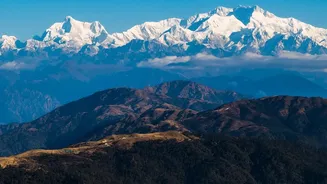
Before you even pack your bags, understanding Sikkim's entry rules and conditions is paramount. The state's weather is famously unpredictable, and its mountainous roads can be challenging. November is generally an excellent time to visit, with clear skies
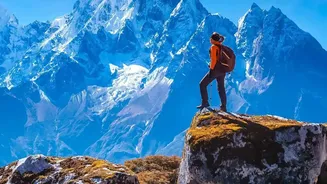
post-monsoon and crisp air offering stunning mountain views. However, temperatures drop significantly, especially at higher altitudes, so packing warm layers is non-negotiable. Roads to popular high-altitude destinations like Tsomgo Lake and those in North Sikkim are prone to closures from snow or landslides, even outside the monsoon season. Always check the latest road status with a local travel agent a few days before your trip. Certain areas, including Tsomgo Lake, Nathula Pass, and North Sikkim, require a Protected Area Permit (PAP) for all visitors, which must be arranged through a registered Sikkim-based tour operator. Foreign nationals require an additional Restricted Area Permit (RAP) to enter the state itself.
Day 1: Arrival and Acclimatisation in Gangtok
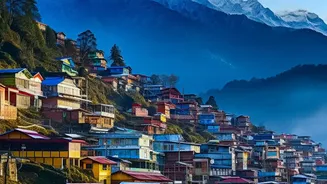
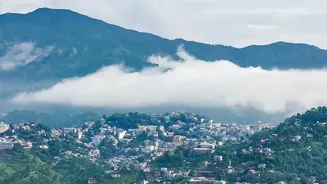
Your journey begins at Bagdogra Airport (IXB) in West Bengal or New Jalpaiguri (NJP) railway station. The drive to Gangtok, Sikkim's capital, takes about four to five hours. This scenic journey runs alongside the Teesta River, but the winding roads can be tiring. Upon arrival, check into your hotel and use the rest of the day to acclimatise. At an altitude of over 5,400 feet, giving your body time to adjust is crucial. In the evening, take a leisurely stroll down the vehicle-free MG Marg, a vibrant hub of shops and cafes, to soak in the local atmosphere without overexerting yourself. Avoid planning any major sightseeing today; the focus is on resting up for the days ahead.
Day 2: The Glacial Waters of Tsomgo Lake
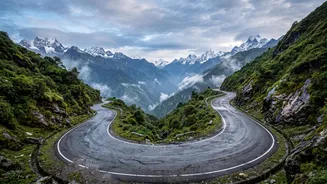
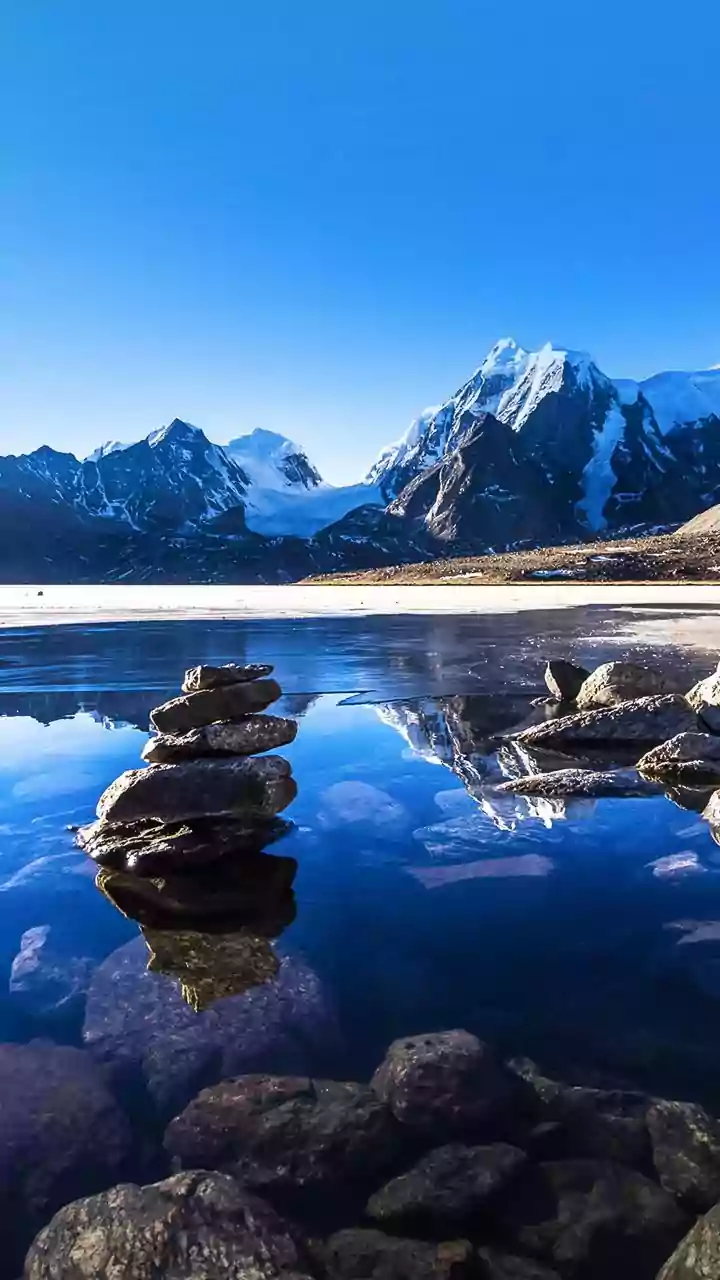
Today is dedicated to one of East Sikkim's star attractions: the stunningly beautiful Tsomgo Lake, also known as Changu Lake. Situated at an altitude of 12,400 feet, this glacial lake is about a two-hour drive from Gangtok. The journey itself is an adventure, with spiralling roads offering panoramic views. Remember that a permit, arranged by your tour operator the day before, is mandatory. Indian nationals can often extend this trip to Baba Mandir, a shrine dedicated to a soldier. Nathula Pass, on the India-China border, is another potential stop but is only accessible to Indian citizens, subject to permits and weather, and is closed on Mondays and Tuesdays. Foreign tourists are permitted only up to Tsomgo Lake. The high altitude means it will be significantly colder here than in Gangtok, so dress in warm layers, including a jacket, cap, and gloves.
Day 3: Exploring Gangtok's Charms
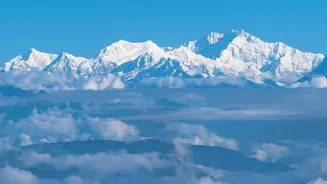
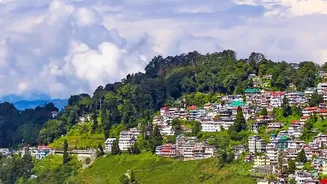
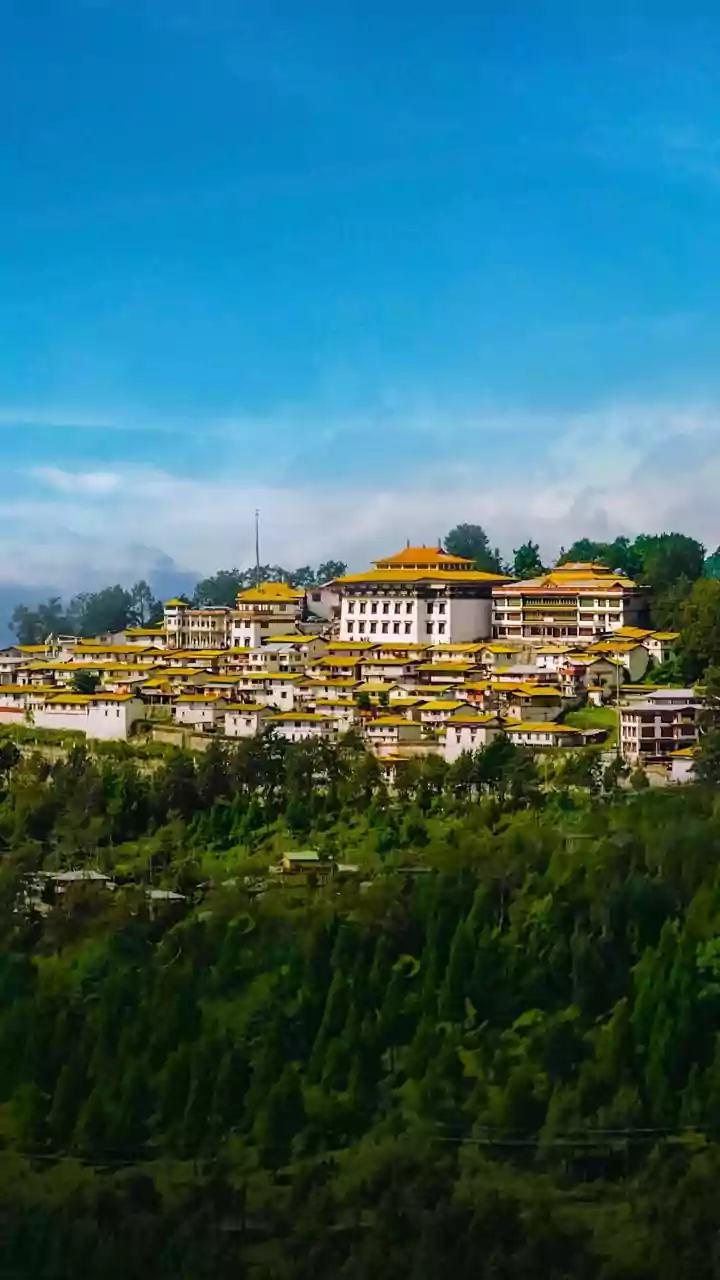
After the high-altitude excursion, spend today exploring the sights closer to Gangtok. Start with a visit to the Rumtek Monastery, a vast and spiritually significant Tibetan Buddhist complex located a short drive from the city. Then, head to the Namgyal Institute of Tibetology to delve into Buddhist philosophy and culture. For incredible panoramic views of Gangtok and the surrounding hills, including Kanchenjunga on a clear day, take the ropeway (cable car). Other notable spots include the Do-Drul Chorten, a large stupa, and the Enchey Monastery. This more relaxed day allows for further acclimatisation while experiencing the rich cultural tapestry of the region. A half-day sightseeing tour can cover most of these key attractions.
Day 4: Journey to Pelling in West Sikkim
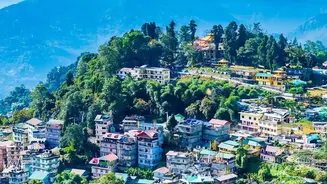
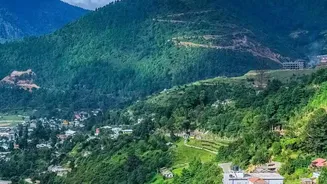
Check out from your Gangtok hotel and begin the scenic drive to Pelling in West Sikkim. The journey takes approximately four to five hours, covering a distance of around 115-130 km. The route can vary, with some options passing through the charming southern towns of Ravangla and Namchi. A stop at Ravangla's Buddha Park, with its towering statue set against a mountain backdrop, or Namchi's Char Dham complex, is highly recommended if your route permits. Roads in West Sikkim can also be affected by weather, so flexibility is key. Pelling is renowned for offering some of the most spectacular, close-up views of Mount Kanchenjunga and its surrounding peaks. Upon arrival, check in and enjoy the peaceful ambiance.
Day 5: Pelling's Monasteries and Ruins
Wake up early for a chance to witness a glorious sunrise over the Kanchenjunga range from your hotel or a nearby viewpoint. After breakfast, explore Pelling's main attractions. Visit the Pemayangtse Monastery, one of the oldest and most important monasteries in Sikkim. A short walk from there will take you to the Rabdentse Ruins, the atmospheric remains of Sikkim's second capital. Later, head to the Pelling Skywalk, a glass-bottomed bridge offering thrilling views, and the sacred Khecheopalri Lake, a serene 'wish-fulfilling' lake revered by both Buddhists and Hindus. These sites provide a wonderful mix of history, spirituality, and nature, making for a fulfilling final day of sightseeing.
Day 6: Departure
After a final Sikkimese breakfast, it's time to head back. The drive from Pelling to Bagdogra Airport (IXB) or NJP railway station is a long one, typically taking five to six hours. It's crucial to start early to account for any potential traffic or road delays along the mountainous route. As you descend from the hills, you'll carry with you the memories of majestic peaks, serene monasteries, and the invaluable lesson that in the Himalayas, a little preparation goes a long way.