





The New Theatrical Bargain
A fundamental shift has occurred in the relationship between audiences and cinemas. In an age where countless films are available at our fingertips, the decision to go to a theatre has become a deliberate calculation of value. Audiences are now implicitly
asking: 'Does this film offer an experience I cannot get at home?' For character dramas, gentle comedies, and mid-budget stories, the answer is often no. These films find a comfortable home on streaming platforms, where viewers can watch them at their own pace. But for a film that promises a sensory overload—an earth-shattering soundscape, visuals that fill a giant screen, and the collective energy of a packed hall—the multiplex becomes an essential destination. This has created a new theatrical bargain: audiences will pay the premium for a premium experience.
The Economics of an Outing
Going to the movies in India is no longer a casual affair. Rising ticket prices, expensive snacks, and travel costs have transformed a simple outing into a significant expense. When a family of four can spend a substantial amount on a single film, the stakes are higher. Viewers are becoming more selective, reserving their theatrical budget for films that feel like a guaranteed good time. This economic pressure naturally favours big-budget event films, which are marketed as can't-miss cultural moments. The thinking is simple: if you're going to spend the money, you might as well spend it on the biggest thing available. This has, in turn, made it harder for smaller and mid-budget films to convince audiences to take a chance on them in a theatrical setting.
The Undeniable Pull of Streaming
The convenience of Over-the-Top (OTT) platforms has permanently altered viewing habits. Surveys show a majority of urban Indians now prefer streaming at home, with a significant number going to cinemas less frequently than before. Platforms like Netflix, Amazon Prime Video, and Disney+ Hotstar have become the default venue for a vast range of content, including films that would have once been theatrical staples. With theatrical windows shrinking, audiences know that even if they miss a film in cinemas, it will likely be available to stream within a few weeks or months. This has reduced the urgency to watch anything other than the most talked-about blockbusters on the big screen. The casualty in this shift is often the mid-budget film, which now struggles to find its footing between low-budget indie hits and massive franchise tentpoles.
Technology as the Main Attraction
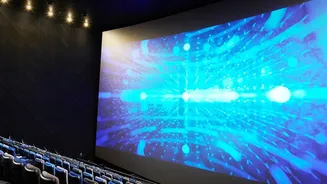
Multiplexes are fighting back against the allure of the couch, and their main weapon is technology. Premium formats like IMAX, 4DX, and Dolby Atmos offer an immersive experience that even the best home theatre setup cannot replicate. The booming growth of IMAX in India, with plans to significantly increase its screen count, shows a clear audience appetite for these premium experiences. These formats turn a movie into a physical experience—with rumbling seats, superior sound, and crystal-clear, wall-to-wall images. For filmmakers creating visual spectacles, these technologies are part of the art form itself. For audiences, it's the key differentiator that makes the theatrical outing worthwhile. You don't just see the movie; you feel it.
The 'Eventization' of Cinema
Modern blockbusters are not just films; they are cultural events. Marketing campaigns build hype for months, turning release weekends into global phenomena. The success of crossover events like 'Barbenheimer' or the massive opening weekends for Marvel films demonstrate the power of creating a shared, unmissable moment. Social media amplifies this, creating a fear of missing out (FOMO) that drives people to theatres to be part of the conversation. This 'eventizing' works best for films that are big, loud, and offer plenty of discussion points, from shocking plot twists to groundbreaking special effects. This leaves smaller, more intimate films on the sidelines, waiting for a quieter discovery on a streaming service.