





Turmeric: The Golden Healer
A staple in every Indian kitchen, turmeric (haldi) is a powerful superfood for the monsoon. Its active compound, curcumin, has potent anti-inflammatory, antiseptic, and immune-modulating properties. During the rainy season, when the risk of infections,
colds, and flu increases, turmeric helps strengthen the body’s defences. A warm glass of 'haldi doodh' before bed is a traditional remedy for fighting inflammation and keeping respiratory infections at bay. Adding a pinch to your daily dal, curries, or soups is an easy way to harness its benefits.
Ginger: The Digestive Aid
Ginger (adrak) is an essential monsoon ingredient, known for its ability to soothe the throat and aid digestion. The humid weather can make our digestive system sluggish, and ginger helps by stimulating digestive juices and improving metabolism. Its anti-inflammatory and antibacterial properties are effective against common monsoon ailments like coughs and colds. Starting your day with a warm cup of ginger tea or adding freshly grated ginger to soups and meals can help keep your gut healthy and your body warm.
Garlic: Nature's Antibiotic
Garlic (lehsun) is celebrated for its powerful antibacterial and antiviral properties, largely due to a compound called allicin. It acts as a natural antibiotic, helping the body fight off the bacteria and viruses that thrive in the damp monsoon environment. Regular consumption can boost your immune system and protect against common infections. While it can be added to almost any cooked dish for flavour and health, consuming a crushed raw clove in the morning is considered highly effective for maximizing its benefits.
Amla: The Vitamin C Powerhouse
Indian Gooseberry, or amla, is one of the richest natural sources of Vitamin C, a crucial nutrient for a strong immune system. It supports the function of white blood cells, which are the body's primary defence against infection. Amla is also a potent antioxidant that helps protect against cellular damage. Especially beneficial during the monsoon when fresh produce options can be limited, amla can be consumed as fresh fruit, juice, or powder to keep your immunity robust.
Jamun: The Seasonal Gem
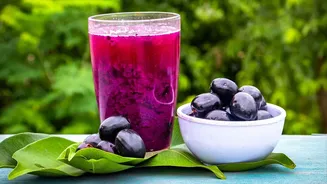
The deep-purple jamun, or Indian Blackberry, is a quintessential monsoon fruit packed with nutrients. It is rich in antioxidants called anthocyanins, which help fight oxidative stress and support immunity. Jamun is also a good source of vitamin C, iron, potassium, and fibre, making it excellent for digestive health, which is often compromised during the rainy season. Its relatively low glycemic index also makes it a healthy snack option. Enjoying this seasonal fruit helps support hydration and provides essential minerals.
Moong Dal: Light and Nourishing
According to Ayurveda, the digestive fire (agni) is weaker during the monsoon. This makes light, easy-to-digest foods essential. Moong dal fits this description perfectly. It is rich in protein, zinc, and antioxidants, providing nourishment without overburdening the digestive system. A warm bowl of khichdi, made with moong dal and rice, is considered an ideal monsoon meal because it's comforting, balanced, and gentle on the gut.