




Know When It’s Time to Repot
Plants are good at giving hints when they're feeling cramped. Most houseplants need repotting every 12 to 18 months, but you don't need to mark your calendar. Instead, look for a few key signs. Are roots visibly poking out of the drainage holes at the bottom
of the pot? That's a classic sign your plant needs more space. Another clue is how the soil behaves. If water seems to run straight through the pot without being absorbed, it could mean the pot is full of roots with little soil left to hold moisture. Similarly, if the soil dries out very quickly after watering, the root system may have outgrown its home. Other indicators include stunted growth, like new leaves that are smaller than older ones, or a plant that looks top-heavy and unstable.
Gather Your Supplies
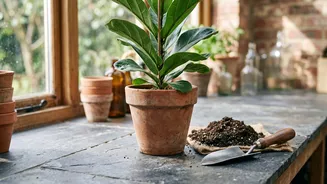
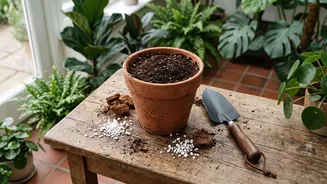
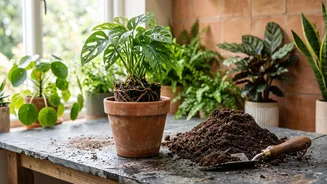
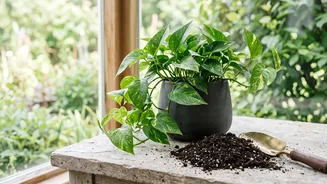
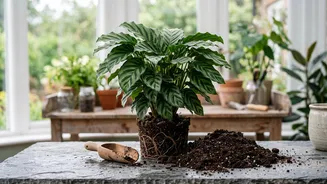
Having everything ready makes the process smooth and stress-free for both you and your plant. You won't need much. First, select a new pot. As a rule of thumb, choose one that is just one to two inches wider in diameter than the current one. Going too large can lead to the soil staying wet for too long, which may cause root rot. Ensure the new pot has drainage holes. Next, you'll need fresh potting mix. For most common houseplants, a general-purpose indoor potting mix is perfect. Avoid using garden soil, as it's too dense for container plants and can lead to poor drainage and pests. Finally, have a pair of gloves, a small trowel or spoon, and perhaps a tray or some newspaper to keep your workspace tidy.
A Step-by-Step Repotting Guide
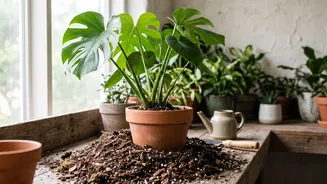
With your supplies ready, it’s time for the main event. Start by watering your plant thoroughly a day or two before you plan to repot; this helps reduce stress on the plant. When you're ready, turn the plant’s current pot on its side and gently slide the plant out, supporting its base. Avoid pulling on the stem. If it’s stuck, gently tap the sides of the pot to loosen it. Once it's out, examine the root ball. If the roots are tightly wound in a circle, gently tease them apart with your fingers to encourage them to grow outwards in the new pot. Place a layer of fresh potting mix at the bottom of the new pot. Centre your plant inside, ensuring the top of the root ball sits about an inch below the rim. Fill the surrounding space with more potting mix, gently patting it down to eliminate large air pockets, but don't compact it too tightly.
Post-Repotting Care
Your plant’s journey isn’t over once it’s in the new pot. The first few weeks are an adjustment period. After repotting, give the plant a good watering until you see it run out of the drainage holes. This helps the new soil settle around the roots. Then, place the plant back in its usual spot with the same light conditions it’s accustomed to. It’s normal for a plant to show minor signs of stress, like slight wilting, for a few days or weeks. This is called transplant shock, and your plant should recover with consistent care. Hold off on fertilizing for at least a month, as fresh potting soil already contains nutrients, and you don’t want to overwhelm the adjusting roots. Just focus on your regular watering routine, allowing the soil to dry out appropriately between waterings.