


The Peril of Thin Air
Acute Mountain Sickness (AMS) is your body’s reaction to ascending to a high altitude too quickly, where lower air pressure means less available oxygen. Anyone can be affected, regardless of age or fitness level. Symptoms often resemble a bad hangover:
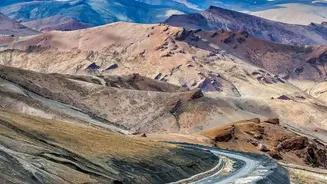
headache, nausea, dizziness, fatigue, and difficulty sleeping. While mild symptoms are common, ignoring them can lead to severe, life-threatening conditions like High-Altitude Pulmonary Edema (HAPE), where fluid enters the lungs, or High-Altitude Cerebral Edema (HACE), which involves swelling of the brain. The Manali-Leh route, which rapidly climbs over several passes above 4,000 metres (13,000 feet), is a prime location for AMS if precautions are not taken.
The Late Monsoon Complication
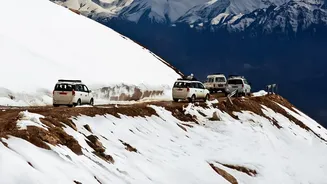
July and August are peak travel months on the highway, but they also coincide with the monsoon in Himachal Pradesh. A late or extended monsoon season introduces significant volatility. Unpredictable, heavy rains can trigger landslides and flash floods, leading to sudden road closures and long delays. These blockages can trap travellers at intermediate altitudes or, worse, force them to rush their ascent once roads clear, compressing a two or three-day journey into a dangerously short timeframe. Furthermore, the monsoon's interaction with mountain geography can lead to freak weather events, including unseasonal snowfall on high passes, causing temperatures to plummet and putting additional stress on the body.
How Weather Worsens Sickness
The link between late monsoon weather and AMS risk is direct. Unexpected delays and the subsequent rush to make up for lost time are a dangerous combination, as rapid ascent is the primary trigger for altitude sickness. If a landslide forces you to wait a day, the temptation is to drive further and faster the next day to stick to your itinerary. This denies your body the gradual exposure it needs to adapt. Additionally, getting caught in cold, wet conditions at high altitudes forces your body to work harder just to stay warm, diverting energy that would otherwise be used for acclimatisation. The physical exhaustion from a long, bumpy ride on weather-damaged roads further compromises your body's ability to adjust to lower oxygen levels.
The Golden Rule: Acclimatise Properly
Acclimatisation is the process by which your body gradually adjusts to decreasing oxygen levels. It involves physiological changes like increasing your breathing rate and producing more red blood cells to carry oxygen. This process takes time and cannot be rushed. The cardinal rule of high-altitude travel is to ascend slowly and allow for rest days. For the Manali-Leh highway, this means planning a journey of at least two, and preferably three, days. Hydration is also key; drinking 4-5 litres of water daily can help prevent AMS, which is often accelerated by dehydration.
Smart Stops for a Safe Ascent
Your choice of overnight halt is the single most important decision you will make on this journey. A common but risky itinerary involves pushing from Manali to Sarchu (4,290 metres) in one day. Sarchu’s high altitude makes it an inappropriate first-night stop for a body that started the day at 2,050 metres in Manali. A much safer plan is to make your first overnight stop at a lower altitude. Keylong (3,080 metres) or, even better, Jispa (3,200 metres) are ideal acclimatisation halts. Spending a night here allows your body to adjust before you tackle the higher passes like Baralacha La (4,890 metres) and Taglang La (5,328 metres) on the way to Leh.