









The Right Foundation: Choosing Your Footwear
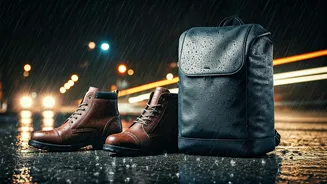
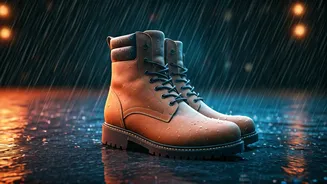
The single most important decision for a monsoon commute is your footwear. Leather shoes get ruined, and canvas sneakers become heavy, water-logged sponges. The best materials are waterproof and quick-drying, such as rubber, EVA, or PVC. Look for open-style
footwear like floaters, sandals, or Crocs that allow water to drain out easily and let your feet breathe. These prevent the prolonged dampness that can lead to fungal infections. For those who need more coverage, gumboots are an excellent choice, providing complete protection from dirty water. Whatever you choose, ensure it has an anti-slip sole with a good grip to handle slippery, uneven surfaces. Avoid wearing brand new or expensive shoes, as they can be easily damaged by muddy water. It is also wise to rotate between at least two pairs of monsoon footwear to allow each pair to dry completely before its next use.
Mastering the Clock: Smart Commute Timing
Timing your travel can make the difference between a smooth journey and being stranded for hours. During heavy rains, traffic slows down considerably, so always plan to leave earlier than usual. Before you step out, check weather apps and local traffic updates for real-time information on rainfall intensity and waterlogged areas. Many cities now have dedicated social media handles and municipal websites that provide live updates on flooding. Planning an alternative route that avoids known low-lying spots can save you significant time and stress. If your schedule is flexible, consider waiting out the heaviest spells of rain at home or the office. A delay of an hour can often mean clearer roads and safer travel conditions. When using public transport, be prepared for overcrowding, especially on metro lines, as other modes of transport become less reliable.
The Monsoon Survival Kit
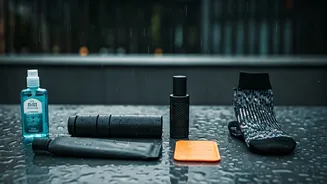
Beyond shoes and timing, a well-prepared commuter has a small kit for rainy-day emergencies. Always carry a sturdy umbrella or a lightweight poncho. To protect your electronics like phones and laptops, use waterproof bags or even simple zip-lock pouches for an extra layer of security. It's a great idea to keep a 'dry kit' at your workplace, containing a spare pair of clothes, a towel, and dry socks and office-appropriate shoes. This allows you to change out of damp clothes immediately upon arrival, preventing you from sitting uncomfortably all day and reducing the risk of catching a cold or developing skin issues. A small bottle of hand sanitiser is also useful for maintaining hygiene after coming into contact with floodwater.
Post-Commute Care and Health
Wading through waterlogged streets isn't just inconvenient; it poses health risks. Floodwater is often contaminated with sewage and bacteria, which can cause a range of infections. One of the biggest risks is leptospirosis, a bacterial infection spread through animal urine in the water, which can enter your body through small cuts or scrapes on your skin. Fungal infections like Athlete's foot are also very common due to prolonged dampness. As soon as you get home, the first thing you should do is wash your feet and legs thoroughly with soap and water, and dry them completely, especially between the toes. Inspect your feet for any cuts or rashes. Applying an antifungal powder can help absorb any lingering moisture and prevent infections from taking hold.