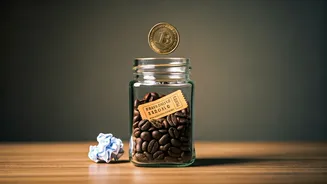









The Anatomy of an Impulse Buy
It starts with a spark. You see a gadget that promises to simplify your life, a dress that looks perfect for an event that doesn't exist yet, or a limited-edition collectible you feel you can't live without. Your heart beats a little faster. Your brain
floods with dopamine, the same neurotransmitter associated with reward and pleasure. In that moment, logic takes a backseat to emotion. You imagine the joy of owning the item, not the reality of the credit card bill. This emotional high is what marketers and retailers are experts at triggering. They create urgency with phrases like “Only 2 left!” or “Sale ends tonight!” to short-circuit your rational brain and push you toward a quick, satisfying click of the 'Buy Now' button.
The 24-Hour Rule Explained
The solution is deceptively simple: it’s the 24-Hour Rule. When you feel the intense urge to make a non-essential purchase, you don't have to say 'no' immediately. Instead, you say 'not now.' The rule is this: add the item to your online shopping cart, write it down on a list, or even take a picture of it in the store. Then, walk away. Close the browser tab. Leave the shop. You must wait a full 24 hours before you are allowed to complete the purchase. That’s it. No complicated spreadsheets, no extreme austerity measures. Just a mandatory cooling-off period between the initial impulse and the final action.
Why This Simple Pause Is Powerful
The 24-hour waiting period works because it directly counters the psychology of the impulse buy. The dopamine rush that makes a purchase feel so urgent is fleeting. Within a few hours, that initial emotional intensity begins to fade. By waiting a full day, you give your logical brain—the prefrontal cortex—a chance to catch up and ask the important questions: Do I really need this? Where will I store it? Does it fit my budget? Can I find it cheaper elsewhere? Is there something I'd rather spend this money on? This pause separates the fleeting desire for the *thrill of the hunt* from a genuine need or want. More often than not, when you revisit the item 24 hours later, the magic has worn off. The 'must-have' item suddenly seems merely 'nice to have,' and the decision to pass on it becomes surprisingly easy.
How to Make the Rule Stick
Implementing the rule requires a little discipline, but a few small habits can make it second nature. For online shopping, the moment you add something to your cart, close the tab immediately. Don't leave it open to tempt you. If you’re in a physical store, use your phone to take a picture of the item and its price tag, then leave. Use the 24-hour window to do a little research. Check reviews to see if the product is as good as it seems. Use a price-comparison tool to see if you’re getting a good deal. Most importantly, take a quick look at your bank account or budget. Seeing the real-time financial impact is often the most effective way to put an impulsive desire into perspective. This transforms the waiting period from a test of willpower into an act of empowered, informed consumerism.