


The Green Superfood Hiding in Plain Sight
For many in India, the moringa tree, or 'shevga,' is a familiar sight, prized for its drumsticks used in sambar and other curries. What’s now gaining global fame is the powder derived from its leaves. Dubbed a 'superfood,' moringa leaf powder is a nutritional
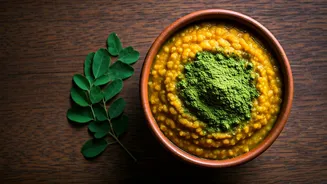
powerhouse. It's packed with vitamins A and C, calcium, potassium, iron, and protein. Furthermore, it contains a wealth of antioxidants, compounds that fight cell damage in the body. While the world is just waking up to its benefits, this 'miracle tree' has been a part of traditional Ayurvedic medicine for centuries, valued for its anti-inflammatory and purifying properties. Turning these potent leaves into a fine powder makes them incredibly easy to incorporate into our daily diets, moving beyond just the seasonal drumstick.
What Does 'Clean Eating' Really Mean?
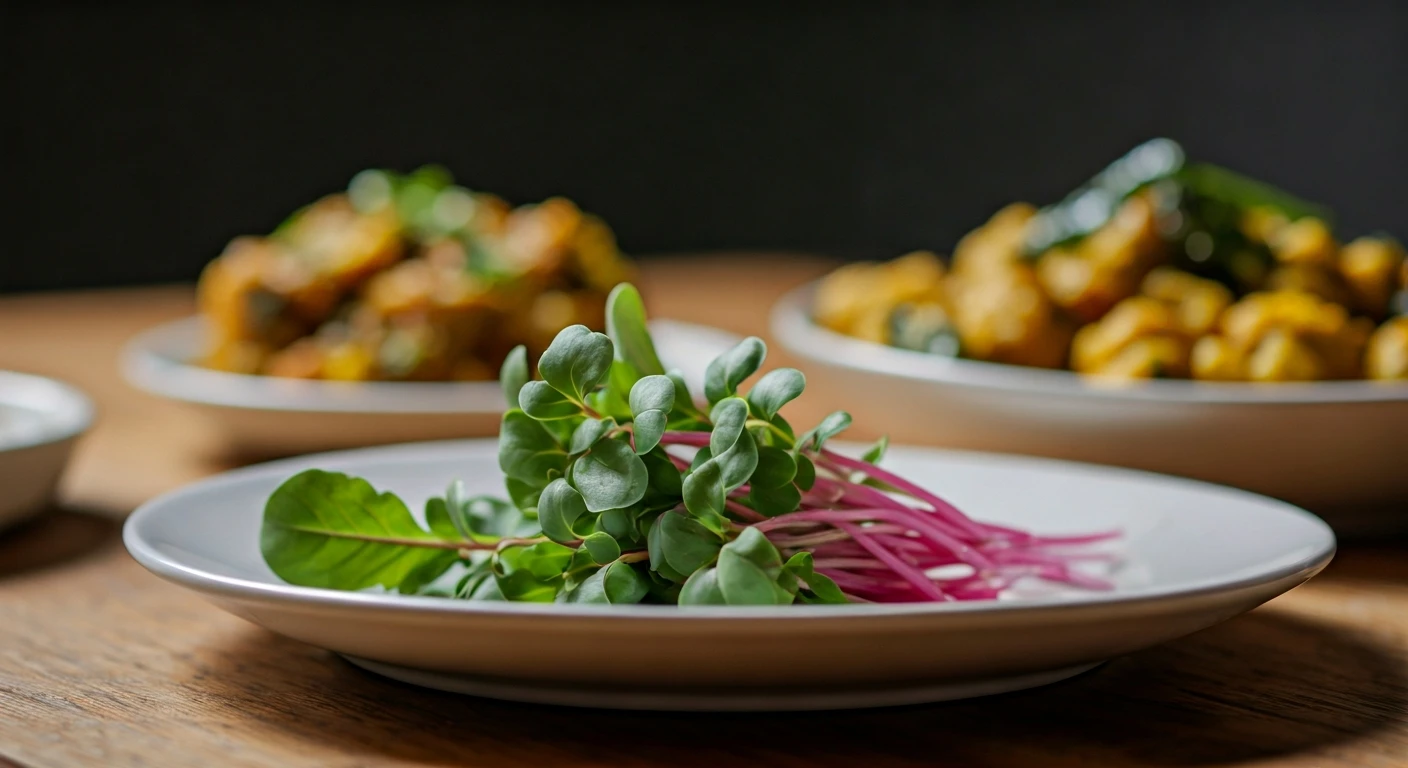
Before we go further, let's demystify the term 'clean eating.' It isn't a strict diet but rather a lifestyle philosophy focused on consuming whole, minimally processed foods. The core idea is to eat foods that are as close to their natural state as possible. This means prioritising fresh fruits and vegetables, lean proteins, and whole grains while minimising packaged and processed items, refined sugars, and artificial ingredients. A simple, homemade dal made from scratch is already a fantastic example of clean eating. It’s nourishing, wholesome, and free of the additives found in ready-to-eat meals. Adding moringa powder simply elevates it, fortifying an already 'clean' dish with an extra, unprocessed layer of pure plant-based nutrition. It's not about restriction; it's about enhancement.
Why Moringa and Lentils Are a Perfect Match
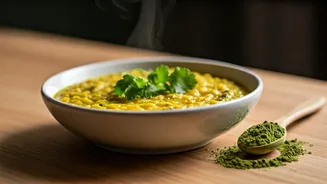
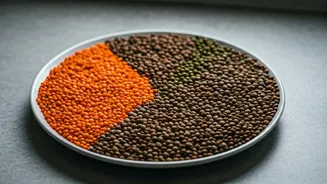
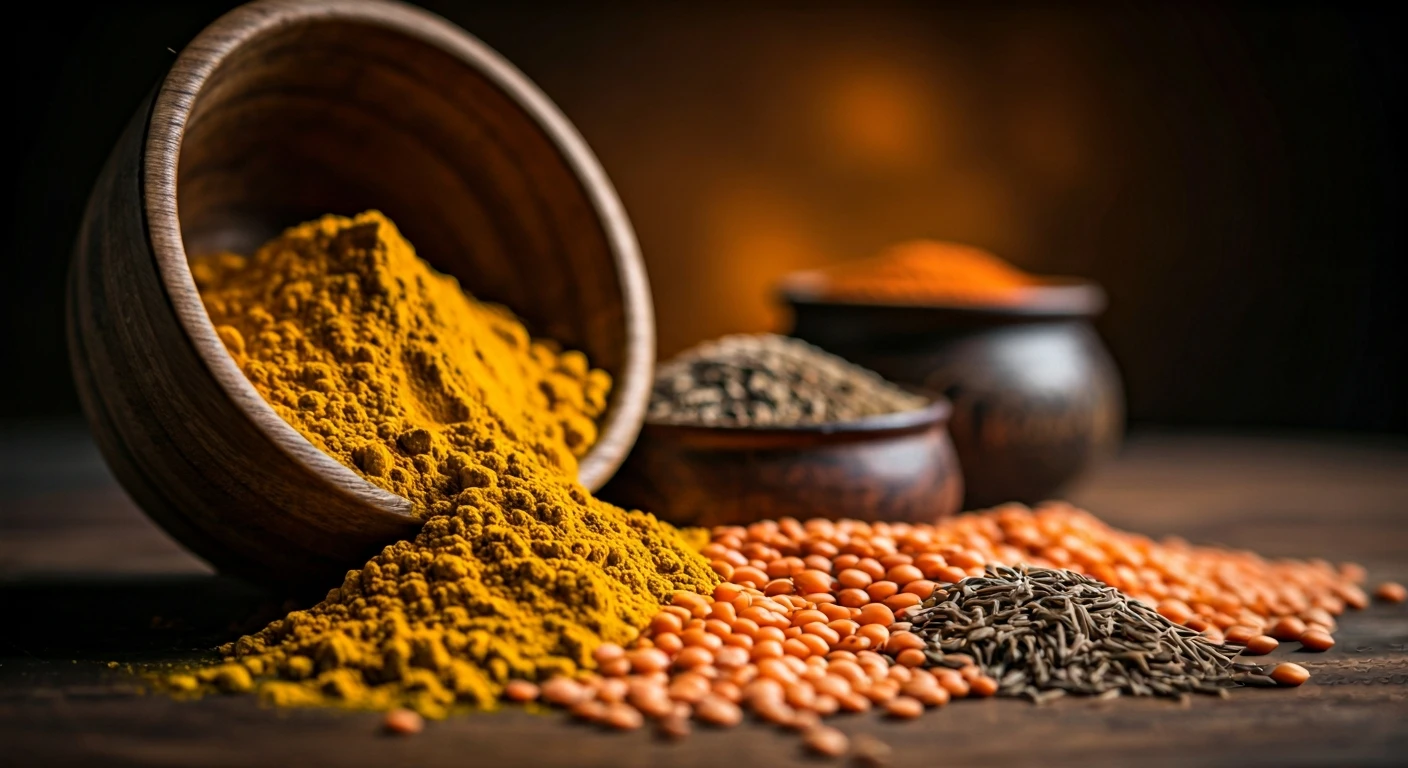
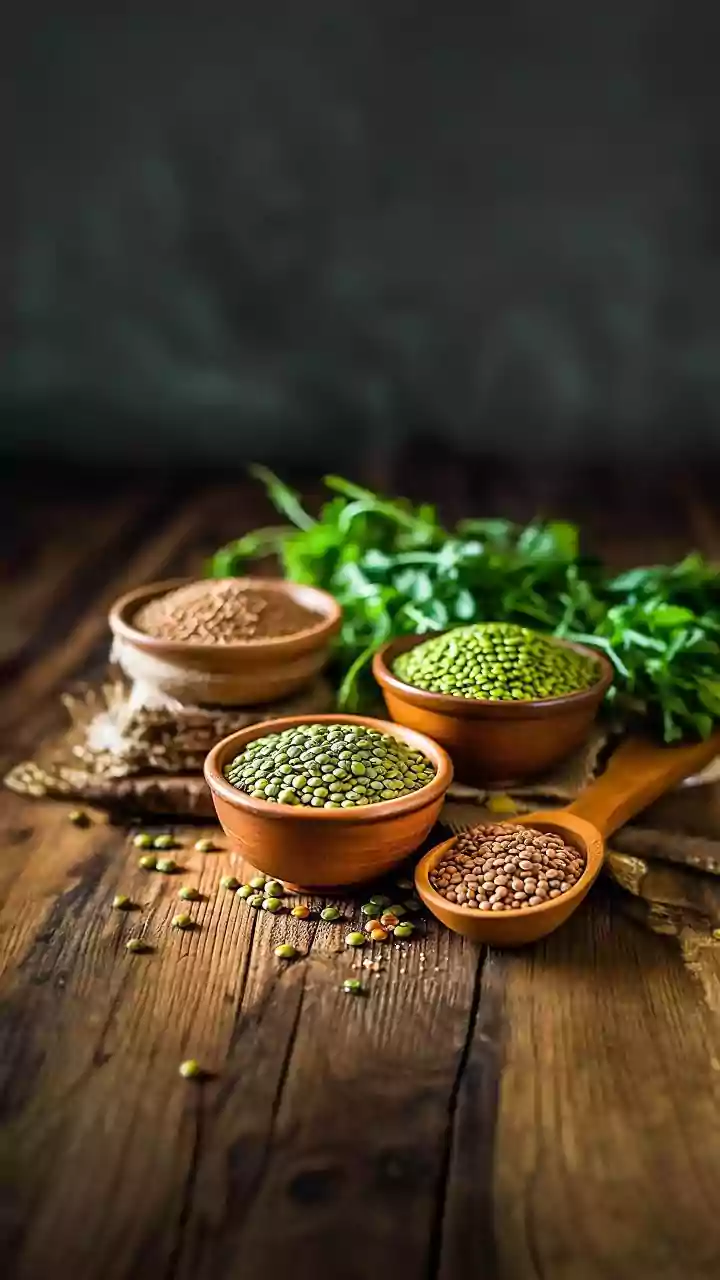
Lentil curries are the perfect vehicle for moringa powder for several reasons. First, the nutritional synergy is undeniable. Lentils are an excellent source of plant-based protein and fibre, which aids digestion and provides sustained energy. Moringa complements this by adding a spectrum of micronutrients that might otherwise be lacking, especially iron and calcium. Second, the flavour profile works. Moringa has a distinct, earthy, spinach-like taste. In a well-spiced dal, this flavour doesn't overpower but blends into the background, adding a subtle depth. The robust flavours of garlic, ginger, turmeric, and cumin in a typical tadka can easily harmonise with the green notes of moringa, making its inclusion seamless. Finally, it’s a matter of texture. The fine powder dissolves easily into the liquid consistency of a dal, without creating clumps or a gritty mouthfeel, especially if added correctly.
How to Add Moringa to Your Dal
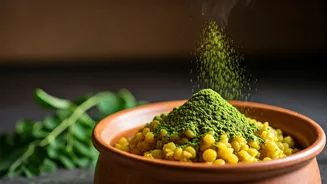
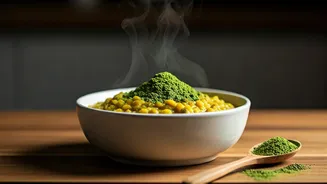
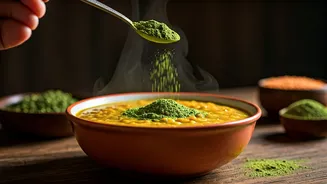
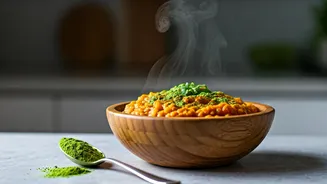
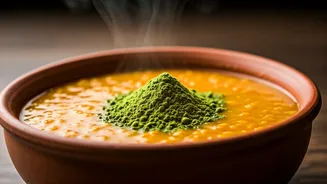
Incorporating moringa powder is simple, but a few tips will ensure you get the best results without compromising taste or nutritional value. The most important rule is to add the powder at the very end of the cooking process. High heat can degrade some of its delicate vitamins, particularly Vitamin C. Once your dal is cooked and you've added your tadka, turn off the heat. Stir in the moringa powder just before serving. How much should you use? Start small. A little goes a long way. For a pot of dal serving four people, begin with one teaspoon of powder. You can gradually increase it to two teaspoons as you get accustomed to the taste. It works well in almost any dal, but it’s particularly good in milder ones like toor (arhar) dal or masoor dal, where its nutritional boost is a welcome addition without any strong flavours to compete with.
A Word of Caution
While moringa is celebrated for its health benefits, it's important to be mindful. Always source your moringa powder from a reputable brand to ensure it's free from contaminants. For most people, it is perfectly safe in culinary amounts. However, because of its potent nature, it may have an effect on blood sugar and blood pressure levels. Individuals on medication for diabetes or hypertension should consult their doctor before making it a regular part of their diet. Pregnant or breastfeeding women are also generally advised to avoid moringa supplements due to a lack of conclusive research, though the leaves themselves are traditionally consumed. As with any 'superfood,' moderation is key. Think of it as a nutritional booster, not a cure-all.