


The Golden Rules of Fasting
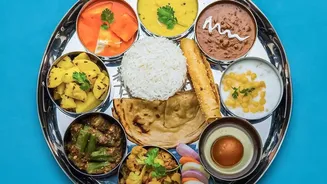
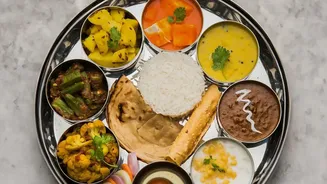
Before diving into regional delicacies, it's helpful to know the basics of the Navratri fast, or 'vrat'. While traditions vary, most observers abstain from grains like wheat and rice, lentils, and legumes. Onions, garlic, and several spices are also avoided
in favour of a 'sattvic' diet that is considered pure and light on the body. The go-to salt is 'sendha namak' (rock salt). Flours made from water chestnut (singhara), buckwheat (kuttu), and amaranth (rajgira) become staples, along with ingredients like tapioca pearls (sabudana), barnyard millet (samak), potatoes, pumpkin, and dairy products.
North India: Hearty and Wholesome
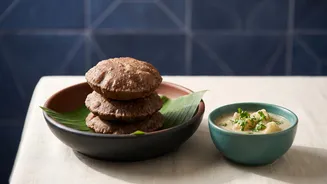
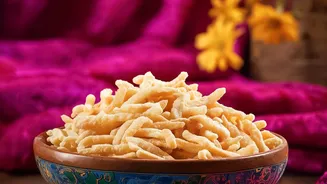
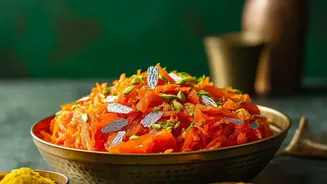
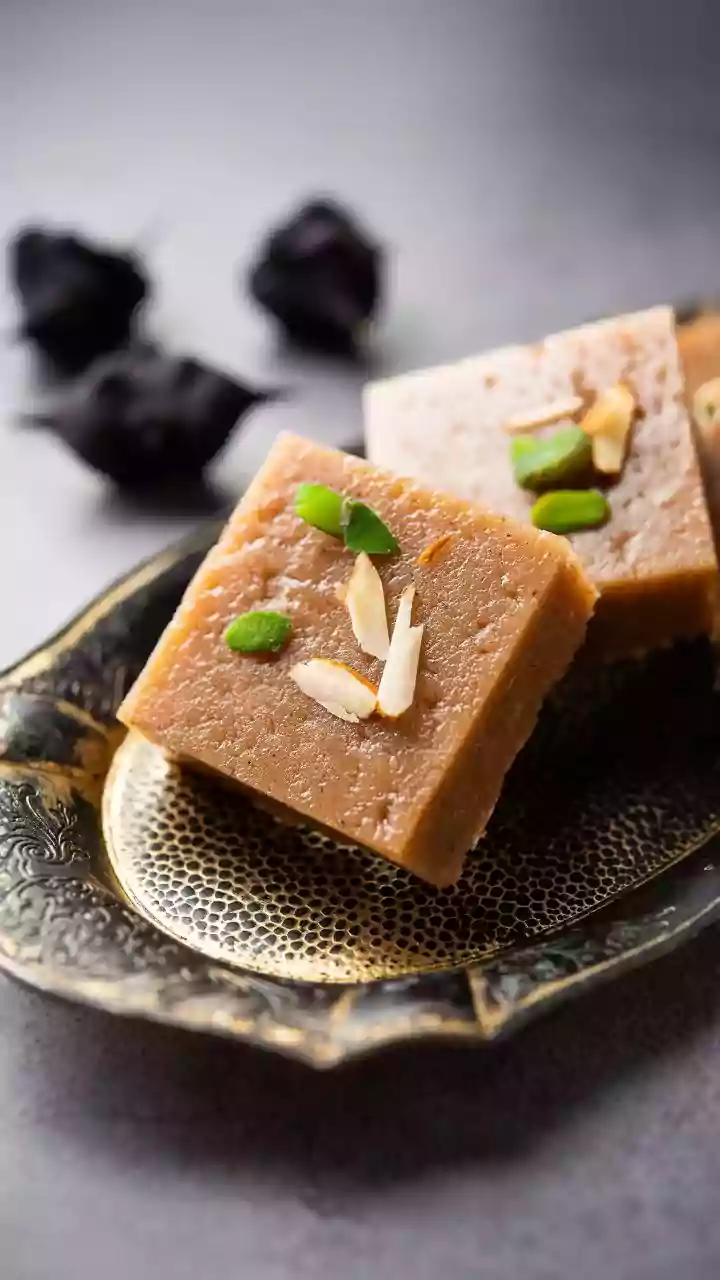
In North India, Navratri fasting is widespread, and the cuisine is rich and satisfying. A classic meal might feature Kuttu ki Puri (deep-fried bread made from buckwheat flour) paired with a simple yet flavourful Vratwale Aloo Rasedaar (a potato curry made with tomatoes and rock salt). Barnyard millet, known as Samak ke Chawal, is used as a rice substitute to make everything from a simple pulao to a comforting khichdi. Snacks are also a highlight, with Kuttu ke Pakore (buckwheat fritters) and roasted makhana (fox nuts) providing a crunchy treat during evening hunger pangs. For dessert, Singhare ka Halwa (a sweet pudding made from water chestnut flour) is a beloved classic.
West India: A Symphony of Sweet and Savoury
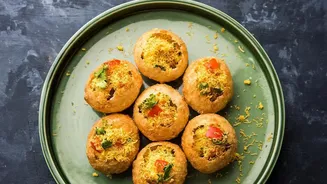
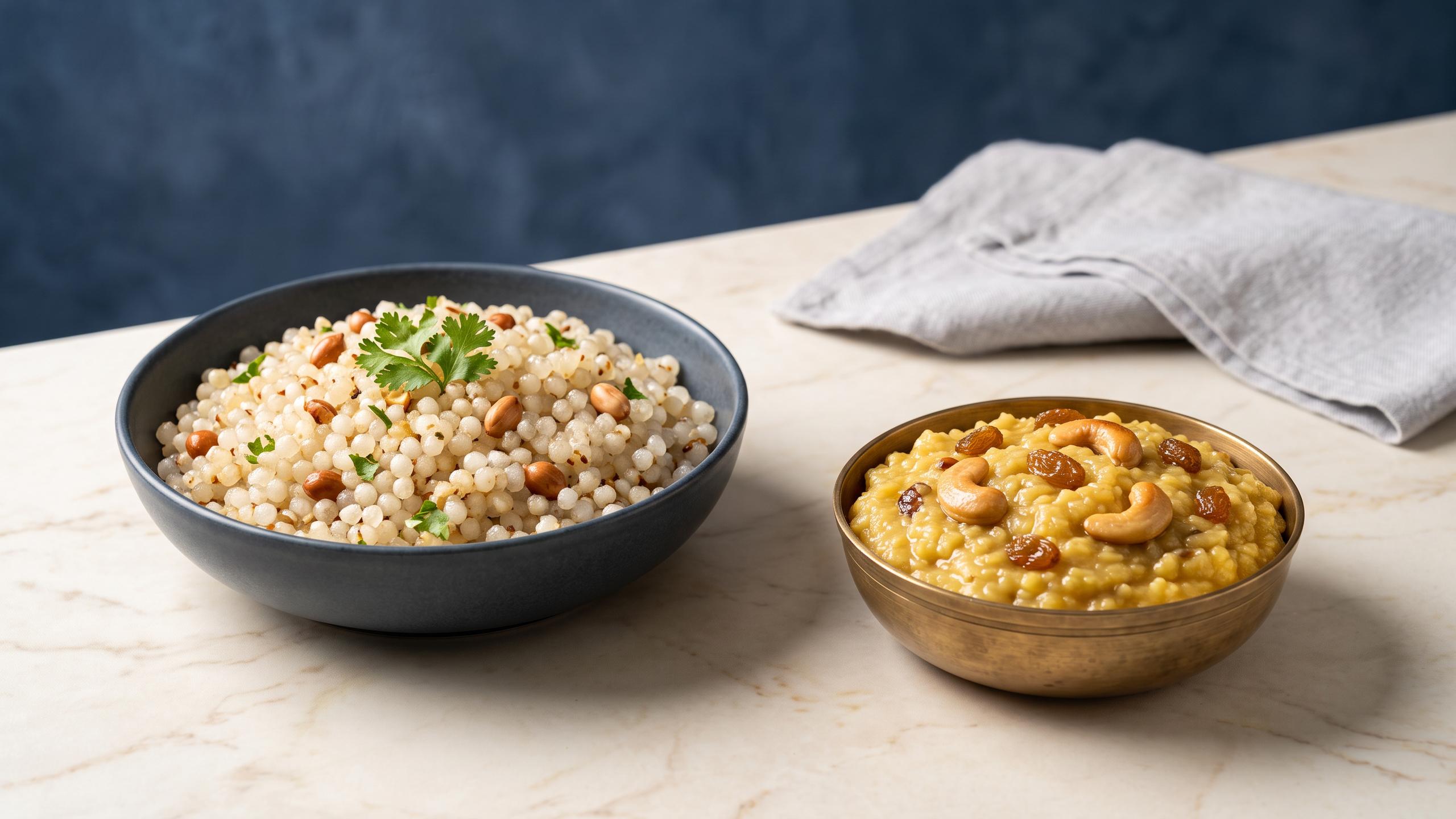
The western states of Gujarat and Maharashtra have a vibrant 'farali' (fasting) food culture. The undisputed star is Sabudana Khichdi, a delightful preparation of soaked tapioca pearls tossed with roasted peanuts, potatoes, and mild spices. Another favourite is the Farali Pattice, a crispy potato cutlet often stuffed with a sweet and tangy mixture of coconut and nuts, popular in Gujarati households. In Maharashtra, you'll find Sabudana Vada, a deep-fried patty of tapioca and potatoes, and the innovative Farali Misal, a fasting version of the iconic spicy curry, made with a potato and peanut gravy instead of sprouts. Sweet cravings are satisfied with creamy Shrikhand or a refreshing glass of Piyush, a drink made from buttermilk and shrikhand.
East India: Feasting for Durga Puja
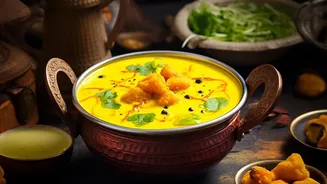
In Eastern India, particularly West Bengal, Navratri coincides with the grand festival of Durga Puja. Here, the concept of fasting is different; for many, it's a time for feasting rather than abstaining. While some observe a strict fast, the community focus is on the 'bhog' – a food offering made to the Goddess Durga that is later distributed among devotees. A typical bhog is a vegetarian affair without onion or garlic, featuring dishes like Khichuri (a rice and lentil preparation), Labra (a mixed vegetable curry), Begun Bhaja (fried eggplant), and various sweets. For those not fasting, the 'pandal-hopping' experience is incomplete without trying Kolkata's famous street food, from Kathi Rolls to Telebhaja (fritters).
South India: Simple, Nutritious, and Divine
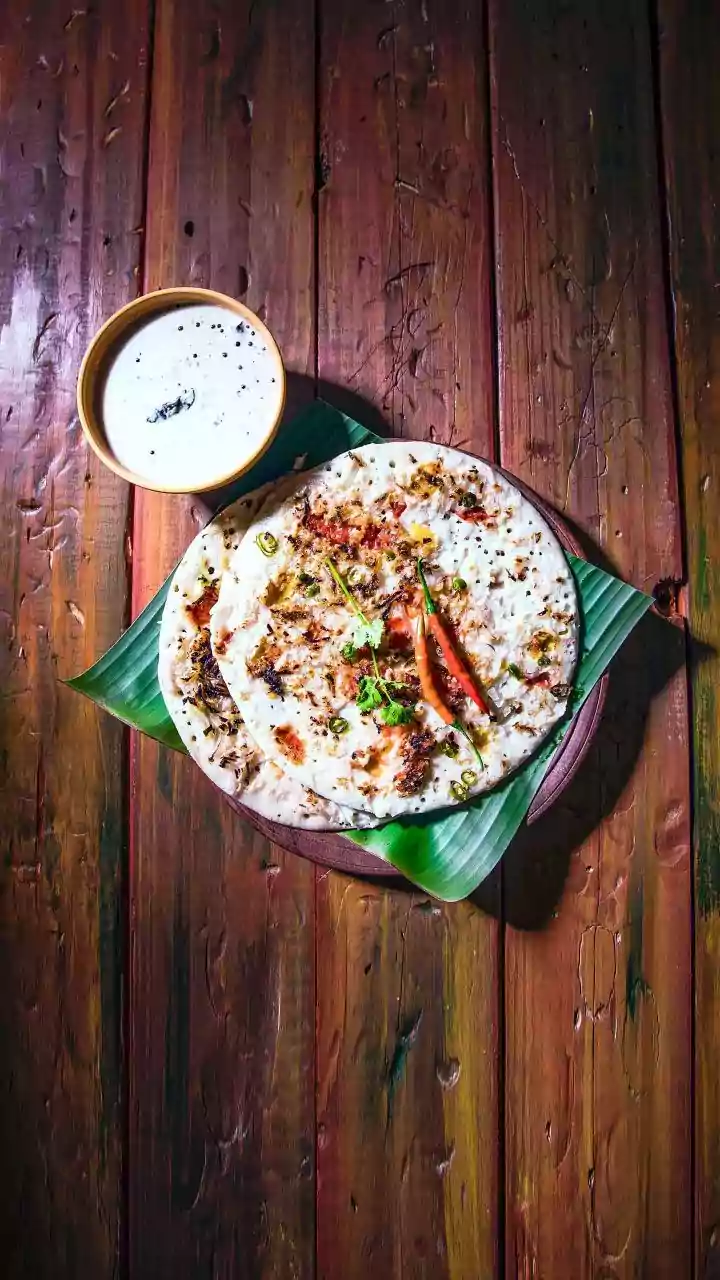
In South India, Navratri is a time for 'Golu', the festive display of dolls. While the strict grain-free fast of the North is less common, food is prepared without onion and garlic. A unique tradition here is the preparation of 'Sundal', a simple and protein-rich snack made from different legumes or lentils, which is offered as 'prasadam' to guests. Each day might feature a different kind, such as Chana Sundal (chickpeas) or Pasi Paruppu Sundal (moong dal). Other popular offerings include Sweet Pongal, Curd Rice (daddojanam), and various forms of Payasam (kheer). Barnyard millet (sama) and tapioca (sabudana) also make an appearance in dishes like Sama Rice Idlis and Sabudana Kheer.