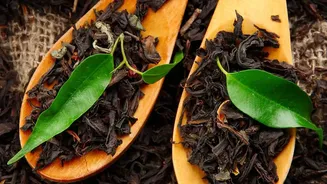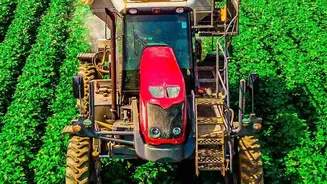









For millions in India, the day begins and ends with a cup of chai. But behind this daily ritual lies a complex agricultural process. Now, a proposed regulatory overhaul is putting a spotlight on the unseen pesticides used in tea cultivation.
What is the New Proposal?
The Food Safety
and Standards Authority of India (FSSAI) has introduced draft regulations to set new Maximum Residue Limits (MRLs) for two specific pesticides used in tea farming. The proposal, published in the Gazette of India on October 16, 2026, targets acetamiprid and imidacloprid, two neonicotinoid-class insecticides commonly used to combat pests like the tea mosquito bug, aphids, and jassids. The draft suggests a limit of 20 milligrams per kilogram (mg/kg) for acetamiprid and 50 mg/kg for imidacloprid. These MRLs represent the highest legally permitted concentration of a pesticide residue in a food product. The FSSAI has invited public comments for a 60-day period before the regulations are finalised.
The Drive for Stricter Standards
This move is part of a broader effort by the FSSAI to align India's food safety rules with global benchmarks and scientific assessments. The proposed limit for acetamiprid (20 ppm) is notably lower than the standards in Japan (30 ppm) and the United States (50 ppm). Meanwhile, the proposed limit for imidacloprid has been formulated with reference to international Codex standards, a collection of globally recognised food safety guidelines. The push for clearer, science-based standards is driven by both a need to protect domestic consumers and a desire to ensure Indian tea remains competitive in discerning international markets. By setting defined regulatory benchmarks, the FSSAI aims to make compliance, monitoring, and enforcement more straightforward for everyone in the supply chain.
Challenges for India's Tea Gardens
While the proposal offers regulatory clarity, it also presents challenges for the country's vast network of tea growers, especially smaller estates. Pesticides are a critical tool for farmers to manage pests and prevent significant crop losses. Adhering to stricter MRLs may require adjustments in long-standing agricultural practices, investment in new pest management strategies, and more rigorous testing protocols. The industry will need to carefully assess its current pesticide usage and supply chain controls to meet these new standards once they are finalised. For the transition to be successful, experts note that farmers may require guidance and support to adopt practices that balance effective pest control with the new safety requirements, ensuring the economic viability of tea cultivation is not compromised.
What It Means for Your Daily Cup
For the average consumer, this regulatory shift is a positive step towards ensuring the safety of one of the nation's most beloved beverages. The primary goal of establishing MRLs is to minimise consumer exposure to chemical residues over the long term. It is important to note that an MRL is a legal limit for trade and enforcement, not necessarily an indicator of immediate health risk. The presence of a residue below the MRL is considered safe for consumption based on scientific assessments of dietary exposure and toxicity. This proposal reflects a growing consciousness around food safety in India, aiming to provide consumers with greater confidence that their daily cup of chai is not only comforting but also adheres to robust, scientifically-backed safety standards.