


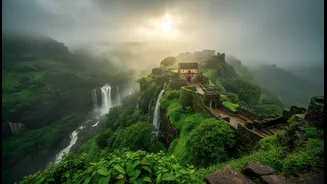


Kumbhalgarh, Rajasthan
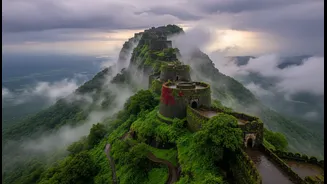
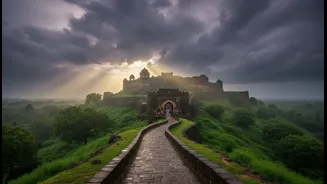
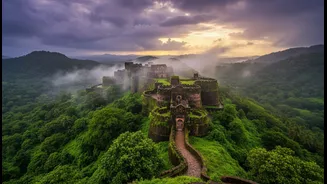
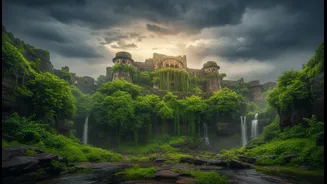
Often associated with desert landscapes, Rajasthan reveals a different side during the monsoon. At Kumbhalgarh, the Aravalli Hills shed their brown attire for a vibrant green cloak. The fort's massive wall, the second longest in the world, snakes through
hills that are often shrouded in mist. During this season, from July to September, the weather is pleasant, with temperatures hovering between 20 and 30 degrees Celsius. The rains bring fewer crowds, allowing for a more tranquil exploration of this UNESCO World Heritage Site. The journey from Udaipur itself becomes a scenic drive through revived forests and past seasonal waterfalls, making the experience magical from the very start. The fort's highest point, Badal Mahal or 'Palace of Clouds', truly lives up to its name as you can literally walk through clouds.
Lohagad Fort, Maharashtra
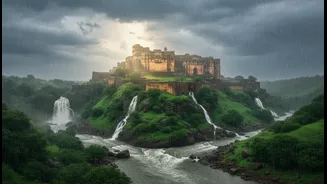
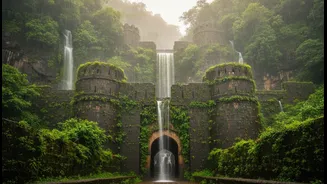
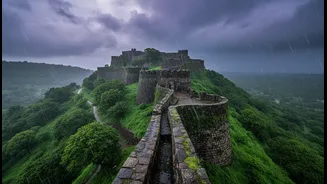
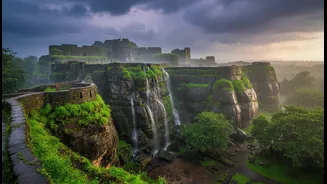
Meaning 'Iron Fort', this historic structure in the Sahyadri range becomes spectacularly beautiful between June and September. The entire plateau turns a vivid green, small waterfalls appear on the stone steps, and clouds drift through the ancient gates. The trek is considered easy, making it accessible for beginners and families. From the top, you get sweeping views of the Pavana reservoir and the surrounding hills. One of its most famous features is the 'Vinchukata' or scorpion's tail, a long, fortified spur that offers dramatic views, though it requires caution during heavy rains due to wind and slippery surfaces. To avoid weekend crowds, a weekday visit is highly recommended.
Mehrangarh Fort, Jodhpur
Perched on a rocky cliff, the magnificent Mehrangarh Fort in Jodhpur offers a dramatic spectacle during the monsoon. The rains wash the blue city below, making its colours pop against the grey sky, while the arid landscape around the fort sprouts with fresh greenery. The ancient water harvesting systems within the fort come alive, with channels and reservoirs filling up as they were designed to centuries ago. Walking the lesser-known stone path at the back of the fort during this time provides a unique perspective, with winding trails offering stunning views of a refreshed, green Jodhpur. While the winter months are typically peak season, a monsoon visit provides a more atmospheric experience with dramatic clouds often cloaking the fort's imposing walls.
Jaigarh Fort, Jaipur
Overlooking the more famous Amer Fort, Jaigarh Fort in Jaipur is a formidable structure that becomes particularly scenic during the monsoon. The Aravalli hills surrounding the 'Victory Fort' are draped in green, and the view of a rain-washed Man Sagar Lake and Jal Mahal is breathtaking. The low-hanging clouds and mist can create a mystical atmosphere, partially obscuring the distant landscape and giving the fort a sense of isolation and grandeur. The fort houses the world's largest cannon on wheels, 'Jaivana', and exploring its vast complex of courtyards, temples, and armouries is more pleasant in the cooler, rain-fed air. While heavy showers might briefly interrupt plans, the lush scenery and dramatic skies make it a worthwhile monsoon trip.
Rajmachi Fort, Maharashtra
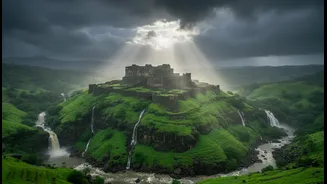
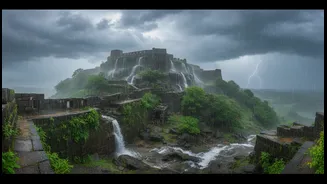
Nestled between Lonavala and Karjat, Rajmachi is another beloved monsoon destination in the Sahyadris. It comprises two forts, Shrivardhan and Manaranjan, offering panoramic views of the surrounding valleys. The trek to Rajmachi is celebrated for its journey through a dense forest, which becomes exceptionally lush and cool during the rains. In July and August, the trails are at their greenest, with waterfalls active on the surrounding hillsides. Beyond the historical ruins and fortifications, the area is also famous for its firefly season in early June, just as the monsoon begins. The base village of Udhewadi, a rare farming settlement located within the fort complex, adds a unique cultural dimension to the trek. The combination of history, nature, and stunning valley views makes it a quintessential monsoon adventure.