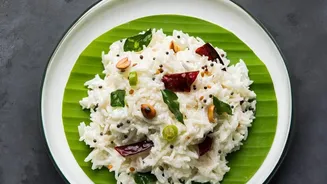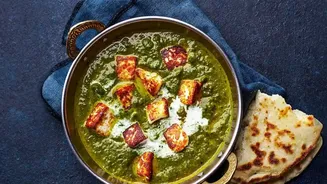





The Ancient Wisdom of 'Tadka'
In kitchens across India, it’s known by many names—tadka, chaunk, phodni—but the technique is universal: briefly frying whole or ground spices in hot oil or ghee. This process, often called tempering or blooming, is the foundational flavour-building step
in countless dishes, from dal to vegetable curries. For centuries, it was practiced for the incredible aroma and complex taste it imparts. Today, science shows us that this method is also a chemical masterstroke, transforming spices to make their health benefits more available to our bodies. The sizzle is the sound of flavour and nutrition being unlocked simultaneously.
The Science of the Sizzle
Many of the most powerful medicinal compounds in spices, including antioxidants, are 'lipophilic' or fat-soluble. This means they don't dissolve well in water but are readily absorbed by fats. When you add spices directly to a water-based curry or soup, many of these beneficial compounds remain trapped within the spice's cell walls. Hot oil acts as a solvent. The heat breaks down the cellular structure of the spices, while the fat extracts these valuable, oil-soluble compounds, like curcumin from turmeric or capsaicin from chillies. This process makes them more 'bioavailable', meaning your body can absorb and utilise them far more effectively. The spiced oil then acts as a perfect delivery system, distributing these unlocked nutrients evenly throughout the entire dish.
Meet the Antioxidant All-Stars
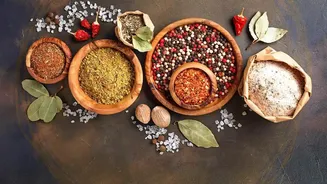
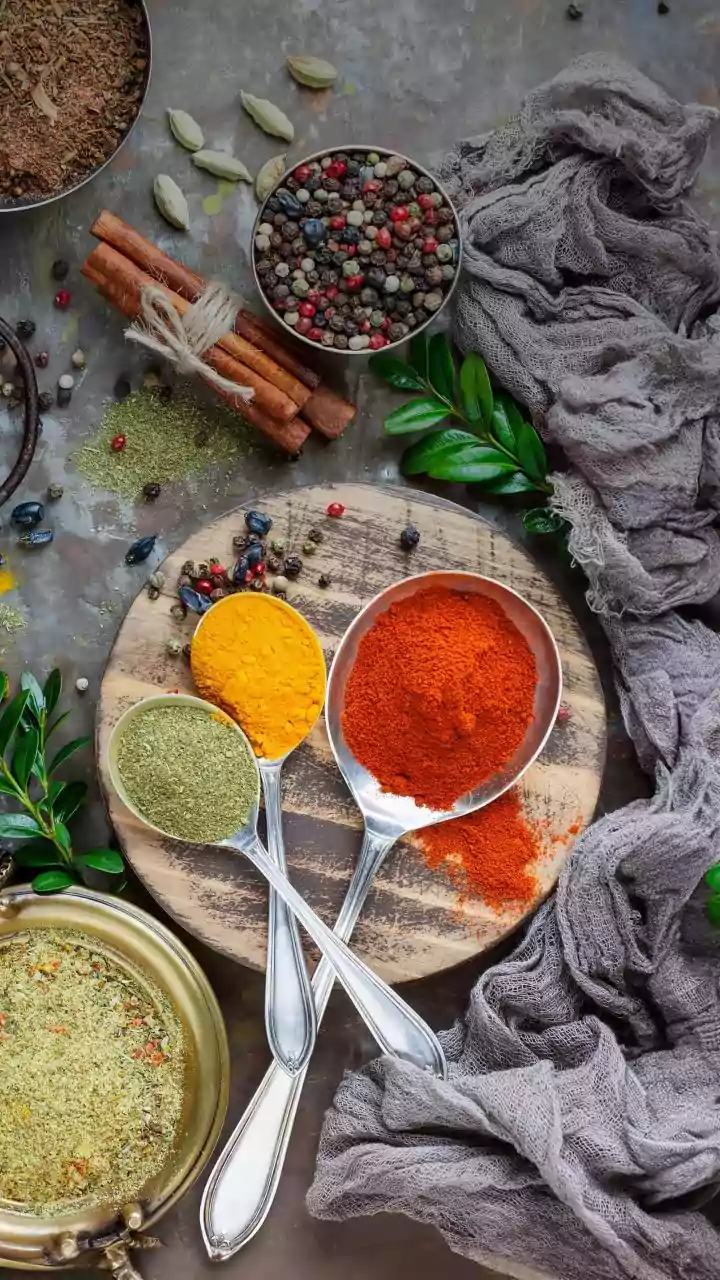
The Indian spice box is a treasure chest of potent antioxidant and anti-inflammatory agents. Tempering is the key that unlocks them. Turmeric, for instance, contains curcumin, a powerful anti-inflammatory compound whose absorption is notoriously poor on its own. Heating it in fat, especially with black pepper (which contains piperine), can dramatically increase its bioavailability. Similarly, the earthy aroma of cumin comes from cuminaldehyde, a compound released during tempering. Mustard seeds, rich in omega-3 fatty acids and anti-inflammatory properties, pop and crackle in hot oil, releasing their goodness. Other common tadka ingredients like fenugreek, asafoetida (hing), and curry leaves all contribute a unique profile of phytochemicals known to aid digestion, support metabolic health, and fight oxidative stress.
More Than Just Flavour
The benefits of tempering go beyond just taste and aroma. Many spices used in this technique are celebrated in Ayurveda for their medicinal qualities. Cumin, fennel, and asafoetida are renowned carminatives, meaning they help relieve bloating and aid digestion. Fenugreek has been shown to help regulate blood sugar levels. Garlic and ginger, often added to the hot oil after the whole spices, contain compounds with anti-inflammatory, antibacterial, and immune-boosting properties. By blooming these spices in oil, you are essentially creating a flavourful, medicinal infusion that becomes the very foundation of your meal, making every bite work a little harder for your well-being.
How to Master the Perfect Tadka
Mastering the tadka is simple, but it requires your full attention. The key is heat management. First, heat your fat of choice—ghee, coconut oil, or mustard oil are traditional options—in a small pan over medium heat. The oil must be hot but not smoking. Test it by dropping in one cumin seed; if it sizzles immediately, you're ready. Add hard, whole spices like mustard seeds and cumin first. Wait for the mustard seeds to pop. This is the audible signal that the blooming has begun. Next, add quicker-cooking items like dried chillies or asafoetida, followed by ground spices, which can burn in seconds. Swirl the pan for just a few moments until fragrant, then immediately pour the entire sizzling mixture over your dal, yoghurt, or into your curry base. This whole process takes less than a minute but elevates your dish from simple to spectacular.