




The Summer Heat Fixation
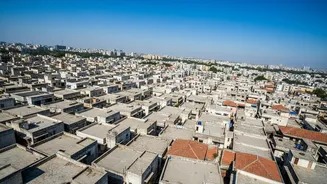
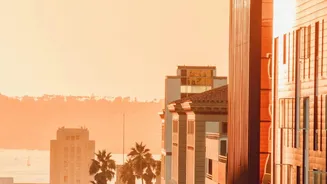
For decades, urban climate science has been dominated by the study of the 'urban heat island' (UHI) effect during summer. This is the well-known phenomenon where cities, packed with heat-absorbing materials like concrete and asphalt, become significantly
warmer than their surrounding rural areas. With dark surfaces trapping solar radiation, a lack of cooling vegetation, and waste heat pouring from buildings and vehicles, major cities can be several degrees hotter than the countryside, especially at night. This focus was logical and urgent; extreme heat is the leading cause of weather-related deaths in many countries, and the UHI effect makes deadly heatwaves even more dangerous for urban populations, putting immense strain on power grids and public health systems.
The Winter Paradox
Recently, researchers have turned their attention to the other side of the calendar, asking: what does the urban heat island do in winter? The findings are complex. That same heat-retaining infrastructure that makes summers brutal can have a seemingly protective effect during cold snaps. Studies have shown that cities stay warmer than their surroundings during extreme cold events, which can reduce energy consumption for heating and even lower cold-related mortality, which in some regions is higher than heat-related mortality. However, this isn't a simple benefit. In very cold regions, like the Arctic, the intense winter UHI can accelerate the thawing of permafrost, destabilizing building foundations and infrastructure. The warmth also creates more frequent freeze-thaw cycles, which can damage roads and create hazardous icy conditions.
More Than Just Temperature
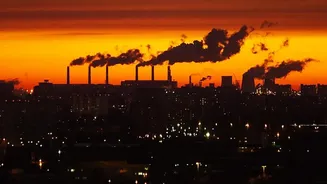
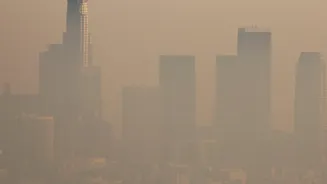
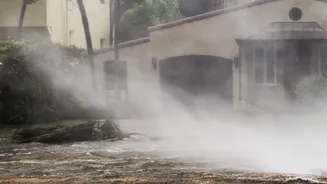
The new wave of urban climate studies recognizes that a city's influence extends far beyond just temperature. Scientists are investigating how urban areas actively modify precipitation patterns. The combination of the heat island effect, the physical barrier of tall buildings, and air pollution can change how and where rain falls. Some studies show that cities can enhance rainfall, sometimes by as much as 16-18%, both over the city and in downwind areas. This can increase the risk of urban flooding, overwhelming drainage systems. Furthermore, the interaction between urban heat and air pollution is a critical area of new research. The warmer, stagnant air over a city can trap pollutants, worsening air quality, especially in winter. This creates a feedback loop where urban design impacts not just temperature but the very air that residents breathe.
A Holistic View for Resilient Cities
This expansion from a single-season, single-issue focus to a holistic, year-round systems approach is driven by necessity. City planners and policymakers need a complete picture to build truly resilient infrastructure. A solution designed only to mitigate summer heat, such as installing reflective 'cool roofs', might have unintended consequences in winter, potentially increasing heating costs. Conversely, green infrastructure like parks and green roofs can provide benefits across seasons, helping to cool in summer, manage stormwater from increased rainfall, and improve air quality. Understanding these complex interactions is essential for making smart, long-term investments that protect citizens from the full spectrum of climate risks, not just the most obvious ones. This integrated approach considers how public health, infrastructure, and environmental science are all interconnected.