


A Fateful Decision
The stage was set for a classic encounter. India, buoyant after a thumping quarter-final win over rivals Pakistan, faced a formidable Sri Lankan side that had revolutionized one-day cricket with their explosive opening batting. Indian captain Mohammad
Azharuddin won the toss and, controversially, chose to field. The decision was surprising given the Eden Gardens pitch, which was newly laid and known to crumble, making batting second a treacherous task. The hope was to unleash Javagal Srinath on the Sri Lankan openers early on. The plan worked, initially. Srinath dismissed the devastating duo of Sanath Jayasuriya and Romesh Kaluwitharana within the first over, sending the crowd into a frenzy. Sri Lanka were reeling at 1 for 2.
The Counter-Attack and a Solid Total
Just as India seemed to have the upper hand, Aravinda de Silva played one of the great counter-attacking innings in World Cup history. He smashed a breathtaking 66 off just 47 balls, completely shifting the momentum. Supported by a gritty half-century from Roshan Mahanama (58 retired hurt) and useful contributions from the middle order, Sri Lanka recovered spectacularly. They posted a competitive total of 251 for 8, a challenging score on a deteriorating pitch. For a moment, the early celebrations of the Indian fans felt like a distant memory, replaced by a nervous tension that swept through the colossal stadium.
The Tendulkar Show, Then Silence
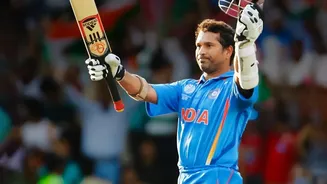
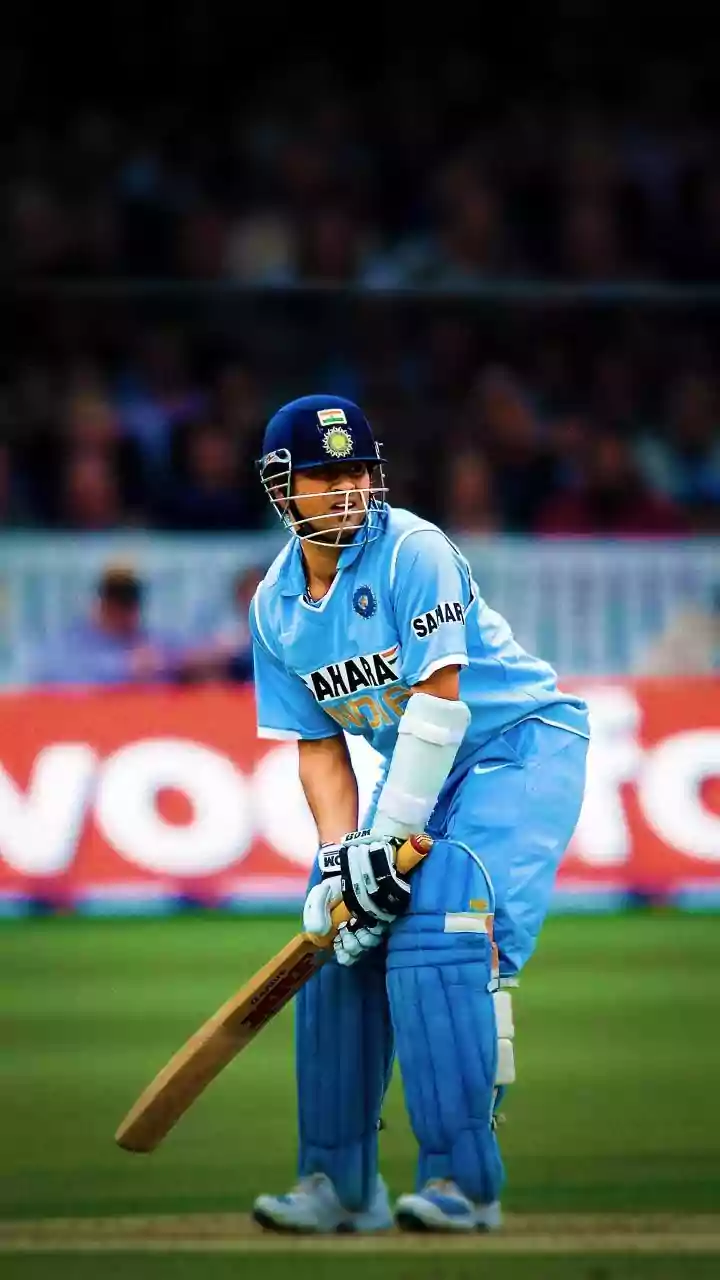
India's chase rested, as it so often did in the 90s, on the shoulders of one man: Sachin Tendulkar. While Navjot Singh Sidhu fell early, Tendulkar was a picture of calm and authority. He navigated the tricky surface with genius, playing elegant and effective strokes to compile a masterful 65. With Sanjay Manjrekar at the other end, India cruised to 98 for 1. The target seemed well within reach and the crowd was roaring again, confident that their hero was guiding them to the final. Then came the turning point. A momentary lapse in concentration, a quick stumping by Kaluwitharana off Jayasuriya's left-arm spin, and Tendulkar was out. A stunned silence fell over Eden Gardens.
The Unprecedented Collapse
What followed Tendulkar's dismissal was not just a batting slump, but a complete and utter capitulation. It was a procession of wickets so shocking it defied belief. From a commanding 98 for 1, India crashed to 120 for 8. Seven wickets had fallen for a mere 22 runs. Captain Azharuddin was out for a duck, Ajay Jadeja for a duck, and the middle and lower order simply disintegrated against the Sri Lankan spinners on a pitch that had become a minefield. The dream was over. The hope that had filled the stadium just an hour earlier had curdled into disbelief and then, into pure rage.
Shame at Eden
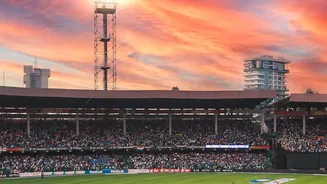
As the eighth wicket fell, the crowd's frustration boiled over. Bottles, fruits, and other debris began to rain down onto the field. Small fires were lit in the stands, sending plumes of smoke into the night sky. The situation became untenable and dangerous. Match referee Clive Lloyd, a West Indian legend, had no choice but to take the players off the field for their safety. After a tense 20-minute delay, an attempt was made to restart the match, but the bottle-throwing resumed almost immediately. It was then that Lloyd made the unprecedented decision to award the match to Sri Lanka by default, a first in World Cup history. The enduring image of the fiasco was a distraught Vinod Kambli, the last recognised batsman, leaving the field in tears.