




Consult Official Weather Forecasts First
Before making any bookings or heading to the airport or train station, your first step should be to check the latest weather updates. The India Meteorological Department (IMD) is the most reliable source. As of August 31, 2026, the IMD has issued warnings
for heavy to very heavy rainfall in several states, including Odisha, Chhattisgarh, Bihar, Jharkhand, and across Northeast India. These forecasts often include specific warnings about potential waterlogging, flash floods, and landslides in vulnerable areas. The IMD website and its social media channels provide daily, district-wise warnings that can help you understand the specific risks in your intended destination.
Verify Your Mode of Transport
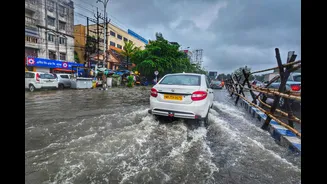
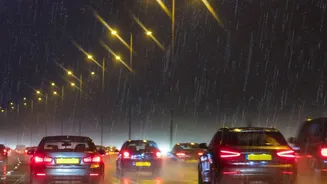
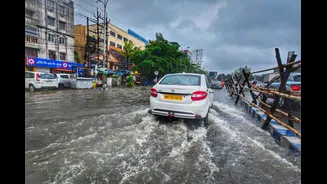
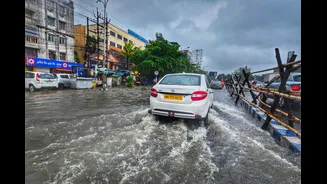
Heavy rain frequently disrupts all forms of transport. Just last week, on August 24, heavy downpours in Delhi led to the delay of over 400 flights and the cancellation of 26 others, with numerous diversions. Airlines like IndiGo, Air India, and SpiceJet issued advisories asking passengers to check their flight status before leaving for the airport. Similarly, train services can be affected by waterlogged tracks or landslides in hilly regions. It is crucial to check the status of your flight or train directly with the operator. For road travel, be aware that highways can close unexpectedly and city streets may become severely waterlogged, as seen recently in Gurugram and Delhi where traffic came to a standstill.
Confirm Your Accommodation and Local Accessibility
Your hotel may be open, but is it accessible? In flood-prone areas, the routes leading to hotels and resorts can become impassable. This is especially true for destinations in hilly regions like Uttarakhand and Himachal Pradesh, or low-lying areas in Assam and Odisha. Before leaving home, call your hotel directly. Confirm that they are operational and ask about the condition of the roads leading to their property. Inquire about any local advisories and whether essential services like power and water are stable. During severe flooding in Assam earlier in the season, many areas became inaccessible, and contaminated well water became a serious issue.
Understand Regional Vulnerabilities
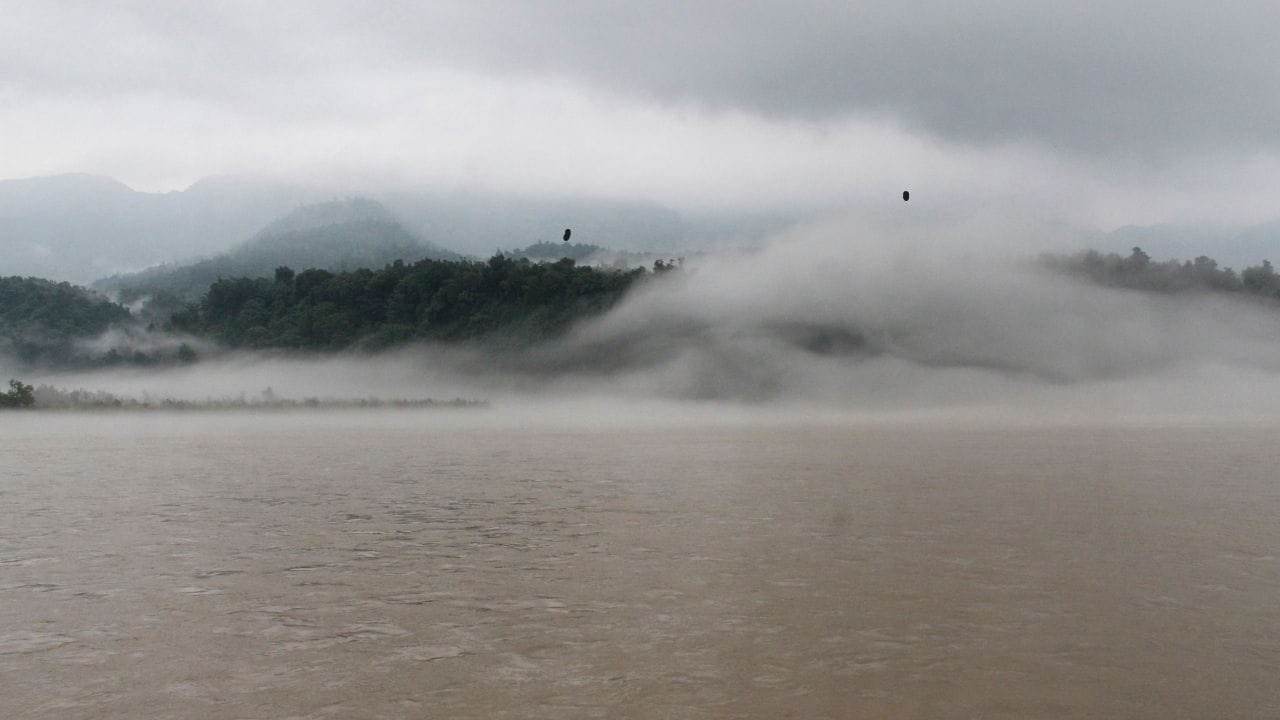
India’s monsoon is not uniform; different regions face different challenges. The IMD's recent bulletins highlight a continued wet spell for Northeast India, including Assam and Meghalaya, through early September. Meanwhile, states like Uttarakhand and Himachal Pradesh are prone to landslides during heavy rains. Other areas, such as Odisha and Chhattisgarh, face risks of flash floods due to low-pressure systems. Research the specific risks for your destination. Local news outlets and state disaster management authority websites are excellent resources for real-time, location-specific information. The IMD has specifically advised regulating tourism and recreational activities in areas expected to be hit by severe weather.
Pack for Health, Safety, and Delays
When travelling during heavy rains, your packing list needs a few extra items. Pack waterproof bags or covers for your electronics and important documents. Include a sturdy umbrella, a reliable raincoat, and footwear with good grip suitable for wet and slippery conditions. A basic first-aid kit is always a good idea, but it becomes even more critical during the monsoon. Include antiseptics, bandages, and medication for common water-borne ailments like stomach infections. Power banks are essential, as power cuts can be common. Finally, pack extra patience; delays are highly likely, so build buffer time into your itinerary and be prepared to change plans if necessary.