



The Golden Rule: Soak and Dry
The single most important technique for watering cacti and succulents is the 'soak and dry' method. This approach mimics the natural environment of desert plants, which are accustomed to infrequent but heavy downpours followed by long, dry spells. When
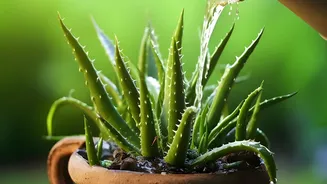
it's time to water, do so thoroughly. Drench the soil completely until water flows freely from the drainage hole at the bottom of the pot. This ensures the entire root system has a chance to absorb moisture. Then, the crucial part: let the soil dry out completely before you even think about watering again. This cycle of deep soaking followed by a thorough drying period is the key to preventing root rot, the most common cause of death in these plants.
Ditch the Calendar, Check the Soil
How often should you water? There is no magic number. A rigid schedule like 'once a week' is a recipe for disaster because watering needs change based on season, light, temperature, and pot size. Instead of relying on the calendar, learn to read the plant and its soil. The most reliable test is to check the soil’s moisture. Stick your finger about an inch or two into the soil; if you feel any moisture, wait. If it feels completely dry, it's time to water. Another easy trick is to judge by weight. A pot with dry soil is noticeably lighter than one that is still holding water. Once you get a feel for this difference, it becomes a quick and effective check.
Signs of an Overwatered Plant
Overwatering is far more dangerous than underwatering for a succulent. The classic signs are leaves that become soft, mushy, and translucent. They may appear yellow and will often fall off at the slightest touch. If you see black or brown mushy spots, especially at the base of the plant, it’s a sign that root rot has already begun. In this state, the plant's cells have taken on too much water and have burst, causing irreversible damage. If you suspect overwatering, stop immediately and let the plant dry out completely. You may need to repot it in fresh, dry soil if the rot is advanced.
Signs of a Thirsty Plant
An underwatered succulent is much easier to save. The most obvious sign of thirst is wrinkled, puckered, or shrunken leaves. The leaves will feel soft but not mushy, as if they have been deflated. Unlike the widespread leaf drop from overwatering, an underwatered plant may shed its lower, older leaves, which will appear brown, crispy, and dry. Sometimes, a thirsty succulent will even grow thin, white 'aerial roots' from its stem in an attempt to absorb moisture from the air. A thorough soaking will typically cause a thirsty plant's leaves to plump back up within a day or two.
Your Pot and Soil Are Crucial
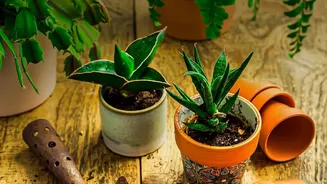
Proper watering technique is useless without the right foundation. The two non-negotiables are a pot with a drainage hole and fast-draining soil. A pot without drainage forces water to sit at the bottom, guaranteeing root rot. Terracotta pots are an excellent choice as the porous material helps wick away excess moisture. Equally important is the soil itself. Standard potting mix holds too much water for cacti and succulents. You need a gritty, porous mix specifically designed for these plants, or you can create your own by mixing potting soil with mineral components like perlite, pumice, or coarse sand. This ensures that even after a deep watering, the soil won't stay soggy for long.
Adjusting for the Seasons
Cacti and succulents have active growing and dormant periods, and their water needs change accordingly. During the spring and summer, their main growing season, they will need more frequent watering—perhaps every two to four weeks, depending on your conditions. In the autumn and winter, most of these plants enter a state of dormancy where their growth slows dramatically. During this time, you should reduce watering significantly to once a month or even less. Watering too much during winter when the plant isn't actively growing is a common mistake that leads to rot. The key is to always check the soil first, regardless of the season.