





The Upfront Cost Battle
The most immediate difference between renting and buying is the initial cash outflow. Buying furniture requires a significant upfront investment. Furnishing even a basic 1BHK apartment in a city like Mumbai or Bengaluru can cost anywhere from ₹1,00,000
to ₹3,00,000. This includes essentials like a bed, wardrobe, sofa, and dining table. For those starting a new job or just moving, this large expense can be a major hurdle. Renting, on the other hand, is significantly lighter on the wallet at the start. Instead of a large purchase price, you pay a refundable security deposit and the first month's rent. This makes setting up a home more accessible, allowing you to allocate your savings to other moving expenses.
The Break-Even Point: When Buying Becomes Cheaper
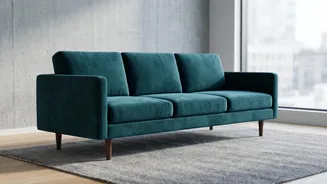
While renting wins on upfront costs, the math changes over time. The key question is, at what point does the cumulative cost of renting equal the cost of buying? Most analyses suggest that this break-even point typically falls between 1.5 to 3 years. For example, renting a sofa for ₹700 a month would cost ₹16,800 over two years. If buying that same sofa costs ₹15,000, you would have been better off purchasing it if you plan to use it for more than 21-22 months. For stays shorter than two years, renting is almost always the more affordable option. However, if you plan to stay in one place for three years or more, the monthly rental payments will eventually surpass the cost of owning the furniture, making buying the financially superior long-term choice.
Flexibility: The Renter’s Superpower
Life in a metro city is dynamic. Job changes, relocations, or simply moving to a new neighbourhood are common occurrences for young professionals. This is where renting offers unmatched flexibility. Rental companies often provide free relocation services within the same city or even to other metros where they operate. If your taste changes or you need to upgrade from a work-from-home desk to a larger dining table, you can easily swap items. Buying furniture ties you down. Transporting heavy items during a move is expensive and can cause damage, reducing the furniture's lifespan and resale value. For those whose future is uncertain or who value a transient lifestyle, renting provides the freedom to adapt without the burden of ownership.
The Hidden Costs and Hassles
Both options come with their own set of hidden costs. When you buy, you must account for delivery and assembly charges, maintenance, and the eventual loss from depreciation—furniture can lose 40-60% of its value within two years. Finding a buyer and getting a good resale price can be a significant hassle. When renting, be mindful of the fine print. Some companies charge extra for delivery to higher floors, and there are penalties for early termination of your contract. While maintenance is often included, any damage beyond normal wear and tear can lead to deductions from your security deposit or additional charges. It's crucial to read the rental agreement carefully to understand your liabilities.
Ownership: The Case for Buying
Beyond the finances, owning your furniture provides a sense of permanence and emotional connection to your home. You have complete freedom to choose pieces that perfectly match your style, without being limited to a rental catalogue. You can modify, paint, or refurbish your furniture as you please, truly personalizing your space. This is a significant advantage for those who are settling down and view their furniture as a long-term investment in their quality of life. For homeowners or those with a clear long-term plan to stay in one place, buying offers stability and the satisfaction of building a home that is truly your own.