




What is the Backyard Revolution?
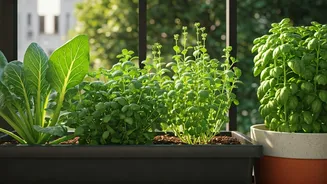
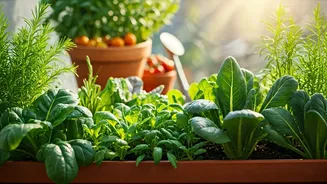
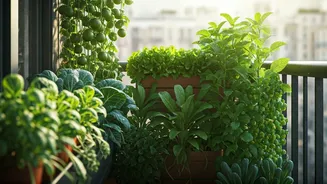
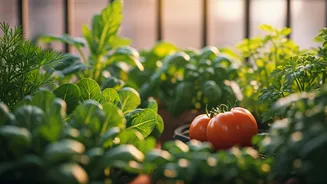
At its heart, this ‘revolution’ is a grassroots movement towards self-sufficiency and sustainability, starting right at home. It’s about reclaiming balconies, terraces, and patches of soil to grow food. Think tomatoes climbing up a railing in a Mumbai
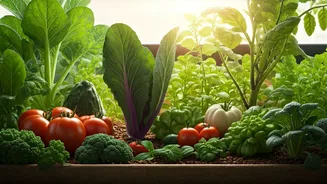
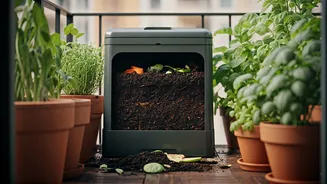
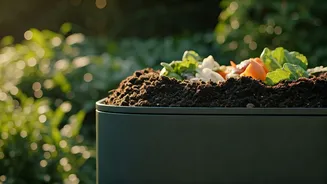
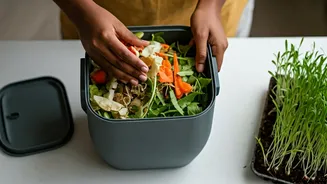
high-rise, a terrace in Bengaluru bursting with herbs and leafy greens, or a small plot in a suburban home dedicated to seasonal vegetables. But it goes beyond just planting a few seeds. This trend encompasses a whole ecosystem of conscious living: composting kitchen scraps to create rich soil, harvesting rainwater, and creating small havens for pollinators like bees and butterflies in urban jungles. It’s a rejection of the passive, manicured garden in favour of an active, living, and edible landscape.
The Seeds of This Change
So, why now? Several factors have converged to fuel this green-fingered movement. The COVID-19 pandemic acted as a major catalyst. Confined to our homes, many of us sought tangible, screen-free activities that offered a sense of control and connection to nature. Gardening provided both. Simultaneously, a growing awareness around food safety, pesticides, and the long, complex supply chains that bring food to our plates has made the idea of growing your own incredibly appealing. People want to know exactly what they’re eating, and there’s no better way than harvesting it yourself. This desire for clean, organic produce, coupled with rising food prices, has turned kitchen gardening from a hobby into a practical, cost-saving solution for many urban families.
From Urban Terraces to Community Plots
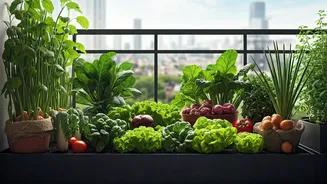
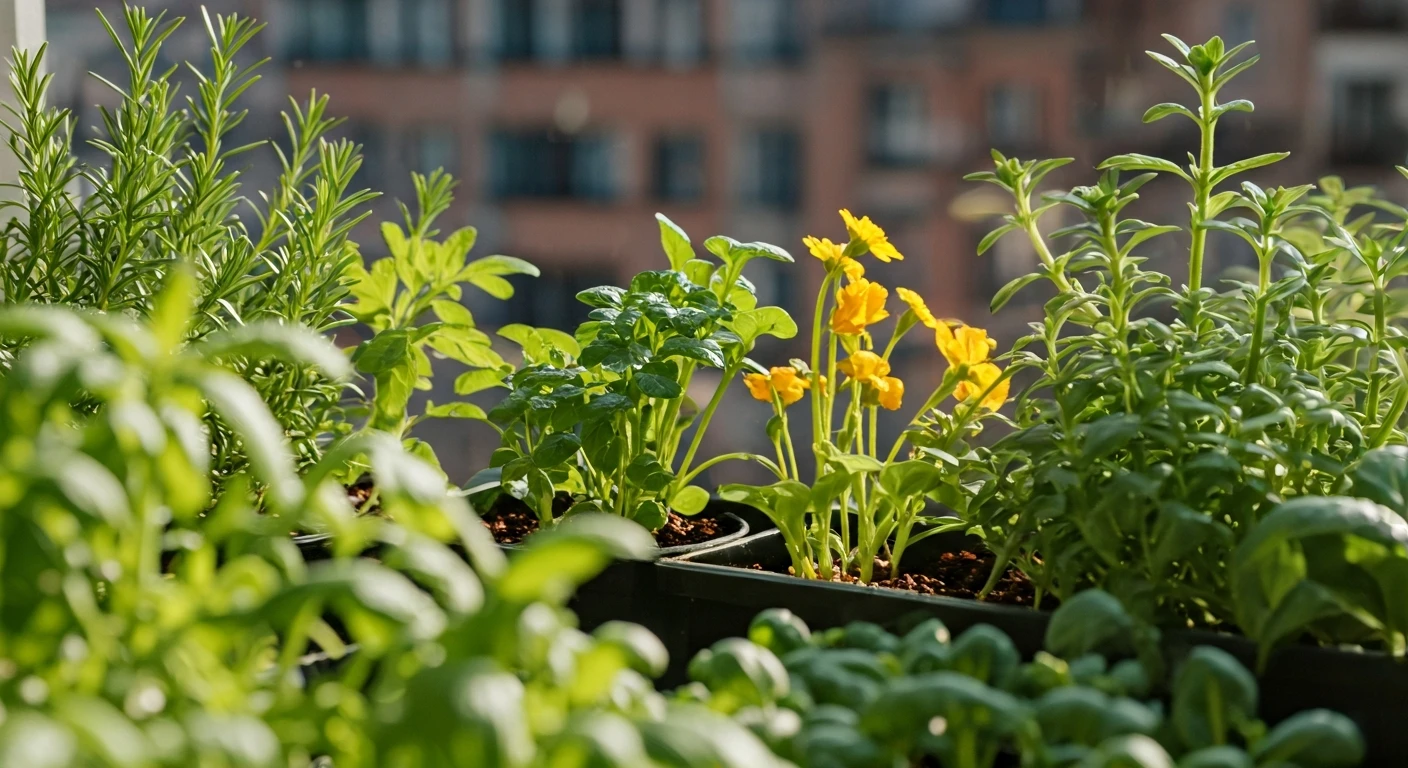
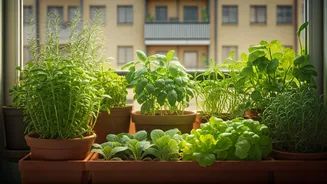
In a densely populated country like India, the ‘backyard’ is often a concept rather than a literal space. The real innovation is happening in adapting this revolution to our unique urban environments. Terraces have become the new farmlands. Balconies are vertical gardens. Communities are coming together to cultivate shared plots. The heroes of this revolution are not grand estates, but pots of bhindi, grow bags filled with potatoes, and recycled plastic bottles nurturing coriander and mint. Start-ups and online communities have sprung up to support these new-age farmers, offering everything from organic seeds and soil mixes to workshops on pest management and container gardening. It’s a democratisation of farming, proving that you don’t need acres of land to participate—just a sunny spot and a bit of enthusiasm.
More Than Just Fresh Vegetables
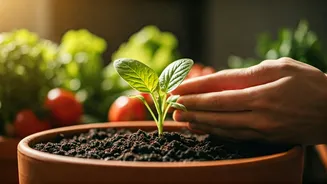
The benefits of this movement extend far beyond the dinner plate. The act of nurturing a plant from seed to harvest is a powerful antidote to modern stress. It’s a mindful practice that fosters patience and provides a deep sense of accomplishment. For families, it’s an invaluable educational tool, teaching children where food comes from and the importance of nature. On a larger scale, every home garden contributes to reducing food miles, lowering carbon footprints, and managing urban waste through composting. When neighbours start sharing their surplus spinach or lemons, it strengthens community bonds in a way that few other activities can. This revolution is quietly rebuilding our connection not just to our food, but to our environment and each other.