


The Global Palate Arrives in India
Not long ago, international food in India often meant a predictable rotation of Indo-Chinese, standard pizzas, and pastas. Today, the urban menu is exploding with authenticity and variety. The Korean wave, or 'Hallyu,' has brought a craving for more than
just K-pop and K-dramas; it has sparked a massive demand for Korean food. Cities like Bengaluru, Delhi, and Mumbai now have restaurants and cloud kitchens serving everything from spicy tteokbokki to Korean fried chicken. This isn't just a niche trend; orders for Korean food have surged dramatically, driven by cultural exposure from streaming shows. Similarly, Japanese cuisine has moved beyond just high-end sushi bars. Ramen bowls, matcha lattes, and donburi are becoming comfort food staples in casual diners and cafes. The initial push for these cuisines often came from the need to cater to Japanese and Korean expatriates working in India's industrial hubs, but Indian diners have since embraced these flavours enthusiastically.
Rediscovering India’s Own Culinary Roots
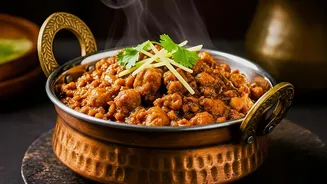
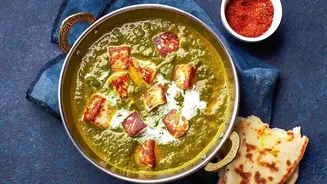
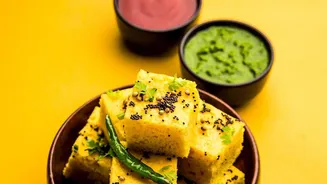
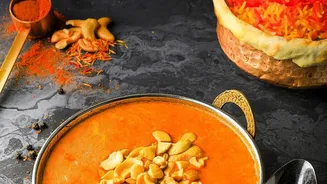
While global flavours find a home, an equally powerful movement is happening inward. Chefs and diners are championing a 'hyper-regional' approach, moving beyond the standard North Indian fare that once dominated restaurant menus. There is a growing hunger for authentic, hyperlocal flavours that tell the stories of specific places and communities. Cuisines from Kerala, Rajasthan, and the Malabar coast are experiencing massive growth in popularity. Restaurants are now showcasing the culinary treasures of once-overlooked regions, from Nagaland's smoked meats and bamboo shoot dishes to Telangana's gongura preparations. This revival is driven by a desire for authenticity and a deeper connection to India's vast culinary heritage, with nearly 38% of diners actively seeking out these regional experiences.
What's Fuelling the Food Revolution?
Several factors are converging to create this perfect storm of culinary innovation. A young, urban population with rising disposable incomes and exposure to global cultures through travel and the internet is more willing to experiment than ever before. Social media platforms, particularly Instagram, have become the new search engines for food discovery. The visual appeal of a dish is now as important as its taste, with restaurants designing 'Instagrammable' spaces and plating dishes for maximum social media impact. This digital buzz can turn a small food stall into an overnight sensation. Food bloggers and influencers have become the new tastemakers, guiding their followers to hidden gems and the latest trends. This has also empowered home chefs and bakers to turn their passion into businesses, further diversifying the food landscape.
The City as a Culinary Laboratory
Restaurateurs and food entrepreneurs now view major metro cities as litmus tests for new concepts. A menu or dish that succeeds in the competitive and diverse markets of Mumbai or Bengaluru is seen as having the potential for wider appeal. This experimental mindset extends to formats as well. Fusion dishes that blend Indian masalas with Tex-Mex or Asian styles, like butter chicken tacos or miso khichdi, are becoming mainstream. The dessert scene is also being transformed, with traditional Indian sweets reimagined as cheesecakes, truffles, and plated creations. Even snacking habits are changing, with a shift towards grazing on multiple small plates and a surge in late-night orders. This culture of constant innovation, from plant-based menus to experiential dining, confirms that Indian cities are no longer just following trends—they are actively creating and validating them.