



The Foundation: Pantry Power
A well-stocked pantry is the secret to effortless festive cooking. Before you begin, ensure you have these core ingredients, which form the base of most Janmashtami delicacies. For flours, stock up on whole wheat flour (atta), gram flour (besan), and
fasting-specific flours like amaranth (rajgira) or water chestnut (singhara) if you are observing a vrat. Sweeteners are crucial; have powdered sugar, rock sugar (mishri), and jaggery on hand. Ghee is non-negotiable for its rich, aromatic quality. Key spices include cardamom powder, cumin seeds, and a pinch of saffron for that special touch. Finally, don’t forget a selection of dry fruits and nuts like almonds, cashews, raisins, and especially makhana (fox nuts), a festive favourite.
Fresh from the Market
Your grocery run should focus on fresh, high-quality dairy and produce. Full-fat milk is essential for making rich, creamy kheer and other milk-based sweets. Plain yogurt (curd) is used in savoury dishes like Gopalkala and as a simple offering. Fresh coconut, whether grated or desiccated, adds texture and flavour to everything from panjiri to ladoos. Depending on your menu, you might need fresh produce like cucumber, pomegranate pearls, and green chillies for savoury preparations. And, of course, a selection of fresh fruits like bananas and guavas are always a welcome part of the bhog.
Recipe 1: Creamy Makhana Kheer
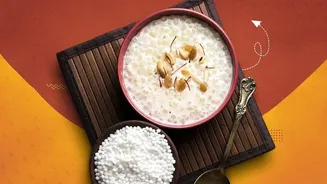
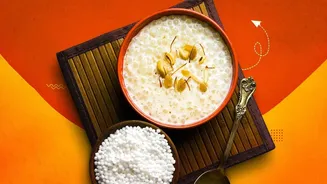
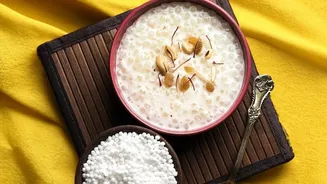
This kheer is a beloved classic, both for its delicious taste and its simplicity. It's a perfect dessert for Janmashtami, using the festival-favourite makhana. Start by heating a tablespoon of ghee in a pan and roasting one cup of makhana until they are crisp. You can test one by crushing it; it should break easily. Set aside about a quarter of the makhana and grind the rest into a coarse powder. In a separate, heavy-bottomed pot, bring one litre of full-fat milk to a boil. Once boiling, add the ground makhana powder and the whole roasted makhana. Let it simmer on low heat, stirring occasionally, until the milk thickens and reduces. This usually takes about 10-15 minutes. Add sugar to taste, a pinch of cardamom powder, and a few saffron strands soaked in warm milk. Garnish with slivered almonds and pistachios before offering.
Recipe 2: Quick Dhaniya Panjiri
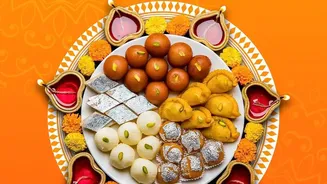
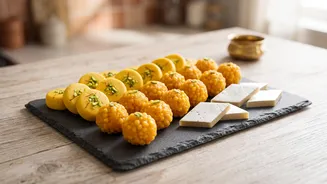
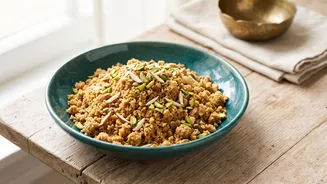
Dhaniya Panjiri is a traditional prasad made especially for Janmashtami and is a must-have in many homes. This version is quick and fragrant. In a pan, heat a tablespoon of ghee and roast a handful of chopped nuts like almonds and cashews until golden. Remove them and set aside. In the same pan, add a cup of coriander powder (dhaniya powder) and roast it on low flame for about two minutes until it releases a beautiful aroma and turns a slightly darker shade. Be careful not to burn it. Turn off the heat and transfer the roasted powder to a mixing bowl. Let it cool completely. Once cool, add powdered sugar, the roasted nuts, some raisins, and a bit of grated dried coconut. Mix everything well. This nutritious prasad is ready in minutes.
Recipe 3: Savoury Gopalkala (Dahi Poha)
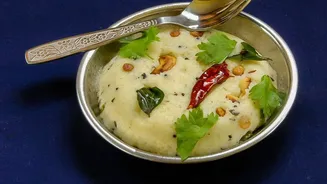
Gopalkala is a simple, no-cook savoury dish that is believed to be one of Lord Krishna's favourites, representing the meal he shared with his friends. To make it, take one cup of thin flattened rice (poha) and rinse it gently if needed; thin poha often doesn't require soaking. In a bowl, combine the poha with half a cup of whisked yogurt, finely chopped cucumber, grated fresh coconut, and pomegranate seeds. Add rock salt (sendha namak) and a little sugar to taste, then mix everything together. For the tempering (tadka), heat a teaspoon of ghee, add cumin seeds, and once they splutter, add finely chopped green chillies and ginger. Pour this tempering over the poha mixture, garnish with fresh coriander leaves, and serve immediately.