

From Trash to Treasure
We've all been there: a recipe calls for a handful of fresh coriander or mint leaves, and you're left with a bunch of perfectly good stems. It feels wasteful to throw them away, and for good reason. These stems are bursting with the same aromatic compounds
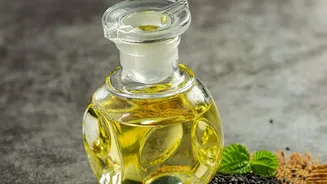
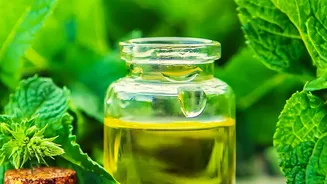
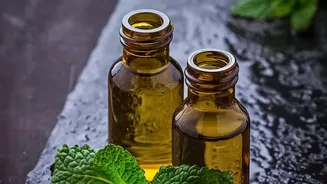
as the leaves, sometimes in an even more concentrated form. By infusing them in oil, you capture their essence in a versatile pantry staple that saves you money and reduces kitchen waste. It's a simple, sustainable practice that adds a gourmet touch to your meals with minimal effort, turning what many consider scraps into liquid gold.
Gathering Your Ingredients
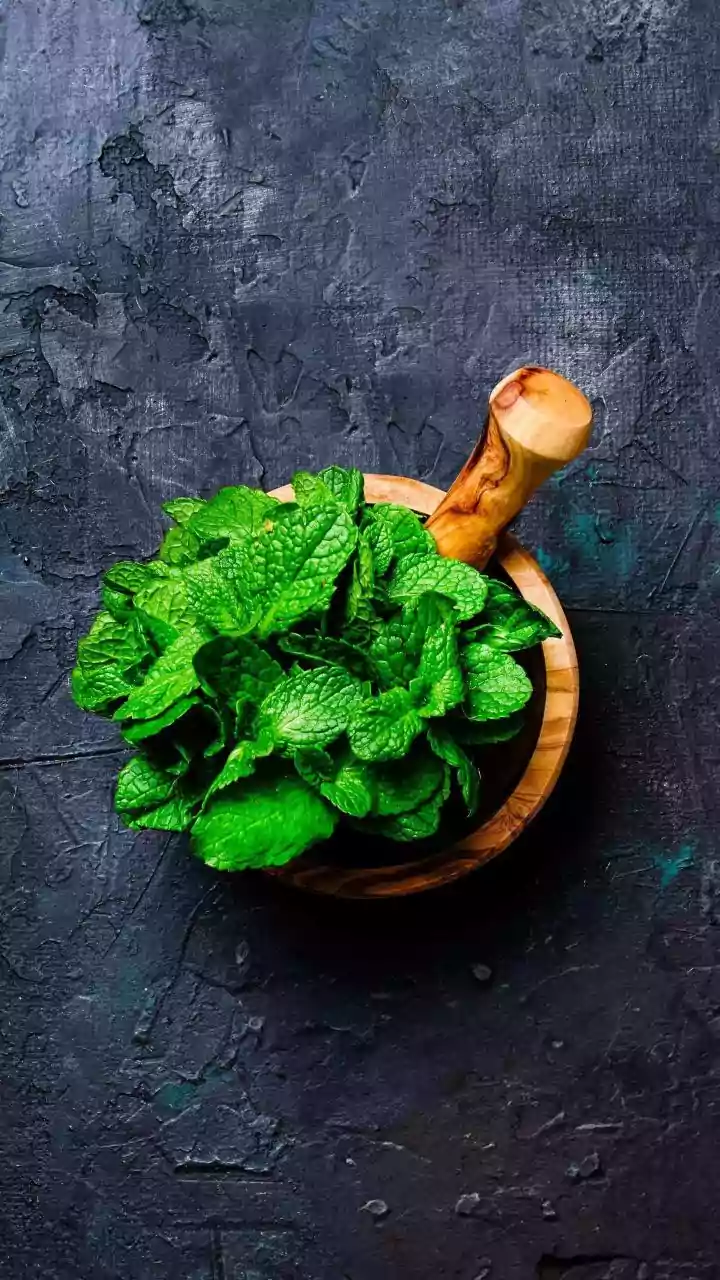
The beauty of this process lies in its simplicity. You only need a few basic items. First, your leftover mint or coriander stems—make sure they are washed and, most importantly, thoroughly dried. Any water can affect the final product's shelf life. Next, you'll need a carrier oil. A neutral-flavoured oil works best to let the herbs shine. Good options include grapeseed, sunflower, or a light (not extra-virgin) olive oil. Extra-virgin olive oil has a strong flavour that can compete with the delicate herbs. Finally, you'll need a small saucepan, a clean and sterilized glass jar with a tight-fitting lid for storage, and a fine-mesh sieve or cheesecloth for straining.
The Gentle Infusion Method
This process is about coaxing flavour out, not cooking. Start by roughly chopping your clean, dry herb stems. This increases the surface area and helps release more flavour into the oil. Place about a cup of stems in a small saucepan and pour in about one to one-and-a-half cups of your chosen neutral oil, ensuring the stems are fully submerged. Gently warm the oil over the lowest possible heat. You are not trying to fry the herbs; the oil should be warm to the touch but not sizzling or smoking. Let the stems steep in the warm oil for about 10 to 15 minutes. Afterwards, turn off the heat and allow the mixture to cool down to room temperature completely. Once cool, carefully pour the oil through a cheesecloth or fine-mesh strainer into your sterilized glass jar, making sure to filter out all the solid plant material. Seal the jar tightly.
A Crucial Note on Safety and Storage
Because you are using fresh herbs, which contain moisture, it is critical to handle and store your infused oil correctly to prevent the growth of harmful bacteria. Specifically, the low-acid, oxygen-free environment of oil can be a breeding ground for Clostridium botulinum, the bacteria that causes botulism. To stay safe, your homemade fresh-herb-infused oil must be stored in the refrigerator and used within one to two weeks. Never store it at room temperature. By keeping it chilled and using it promptly, you can safely enjoy the fresh flavours without any risk.
Using Your Mint-Infused Oil
Mint oil offers a cool, refreshing aroma that pairs wonderfully with a variety of dishes. Use it to create a vibrant vinaigrette for a summer salad, especially one with cucumber, feta, and watermelon. Drizzle it over grilled lamb chops or roasted vegetables like peas and zucchini just before serving to add a bright finish. You can also stir a spoonful into plain yogurt to create a quick, flavourful dip for kebabs or flatbreads. It even works in some desserts; try a few drops over a simple fruit salad or vanilla ice cream for an unexpected, sophisticated twist.
Ideas for Coriander-Infused Oil
Coriander oil has a warm, citrusy, and slightly peppery flavour profile that is incredibly versatile. It’s a perfect finishing oil for a bowl of dal, lentil soup, or a rich curry, adding a final layer of fresh aroma. Use it as a base for a marinade for chicken, fish, or pork, along with garlic, ginger, and lime juice. Drizzling it over roasted root vegetables like carrots and parsnips enhances their natural sweetness. You can also whisk it into rice or other grains to add a subtle, fragrant lift to your side dishes.