



Jericoacoara: The Windswept Paradise
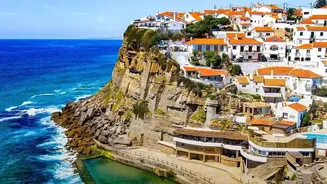
Tucked away in Brazil's northeastern state of Ceará, Jericoacoara, or 'Jeri' as it's affectionately known, is a place of magic. This former fishing village is now a world-renowned destination for kitesurfing and windsurfing, thanks to its reliable strong
winds from July to January. What makes Jeri unique are its streets made entirely of sand—no pavement, no streetlights, just a laid-back bohemian vibe. The adventure begins before you even arrive, as the final leg of the journey requires a 4x4 vehicle to traverse the surrounding dunes of the national park. A daily ritual involves locals and visitors climbing the 'Duna do Pôr do Sol' (Sunset Dune) to watch the sun dip into the Atlantic, often followed by capoeira performances on the beach. Don't miss a buggy tour to the stunning freshwater lagoons like Lagoa do Paraíso, famous for its in-water hammocks.
Chapada Diamantina: The Hiker’s Dream
For those who prefer mountains and waterfalls to sandy beaches, Chapada Diamantina National Park in the state of Bahia is an absolute must. This vast park, covering over 1,500 square kilometers, is a paradise for hikers and nature lovers, featuring towering plateaus (tepuis), sprawling valleys, and some of Brazil's most spectacular waterfalls. The charming colonial town of Lençóis serves as the main base for exploring the park's wonders. Highlights include hiking to the top of Pai Inácio Hill for breathtaking sunset views, witnessing the 340-meter Cachoeira da Fumaça (Smoke Waterfall), and swimming in the otherworldly blue waters of Poço Azul and Poço Encantado, two flooded caves where sunlight creates an ethereal glow. For the truly adventurous, the multi-day trek through the remote Vale do Pati offers an immersive experience, staying with local families in a valley with no roads or cell signal.
Olinda: The Colonial Jewel Box
Perched on a hill overlooking the Atlantic just north of Recife, Olinda is one of Brazil's best-preserved colonial cities and a UNESCO World Heritage site. Founded in 1535, its historic center is a maze of steep cobblestone streets, vibrant houses, and dozens of baroque churches and convents. The city's name is said to come from the Portuguese exclamation 'Ó, linda situação para se construir uma vila!' ('Oh, what a beautiful location to build a town!'), and it's easy to see why. Key sights include the Alto da Sé cathedral, offering panoramic views of Olinda and the distant skyline of Recife, and the São Francisco Convent with its beautiful Portuguese tile panels. Olinda is also famous for its spirited Carnival, known for its giant papier-mâché puppets (bonecos) that parade through the streets.
Ilha Grande: The Car-Free Island Escape
Just a few hours from the hustle of Rio de Janeiro lies Ilha Grande, a large, mountainous island that feels like a world away. There are no cars here; transport is by foot on jungle trails or by boat. Once home to a pirate's lair and later a high-security prison, the island is now a protected reserve covered in lush Atlantic rainforest, with over 100 beaches. The main village, Vila do Abraão, is the hub for accommodation and tour operators. From there, you can hike or take a boat to Lopes Mendes, often cited as one of Brazil's most beautiful beaches. Other popular activities include boat tours to snorkel in the fish-filled Lagoa Azul (Blue Lagoon) and Lagoa Verde (Green Lagoon), and hiking to the island's highest point, Pico do Papagaio, for stunning sunrise views.
Bonito: The Ecotourism Capital
Living up to its name, which means 'beautiful' in Portuguese, Bonito in the state of Mato Grosso do Sul is Brazil's premier ecotourism destination. The region is famous for its astonishingly clear rivers, caves, and abundant wildlife. The main attraction is floating or snorkeling down rivers like the Rio da Prata, where the water is so transparent it feels like you're swimming in a giant, natural aquarium filled with fish. Another highlight is the Gruta do Lago Azul (Blue Lake Grotto), a cave containing a deep blue lake whose color is intensified by sunlight. All tours in Bonito are highly regulated with small group sizes and mandatory guides to minimize environmental impact, and the region has been recognized globally for its sustainability efforts, even being certified as a carbon-neutral destination.