




The Protein Puzzle for Athletes
Every time you push your limits through intense exercise, you create tiny micro-tears in your muscle fibres. This is a normal part of getting stronger, but the repair process requires specific tools, chief among them being protein. Protein is made up
of building blocks called amino acids, which your body uses to mend that damaged tissue, making it stronger and more resilient. For any athlete, consuming adequate protein after a workout is crucial for reducing muscle soreness and kick-starting recovery. While animal products are well-known protein sources, vegetarian athletes can achieve the same results with a well-planned, plant-based diet. The key is understanding not just the quantity of protein, but also its quality.
Complete vs. Incomplete Proteins Explained
Proteins are composed of 20 different amino acids. Your body can produce eleven of them, but the remaining nine—known as essential amino acids—must come from the food you eat. A food source that contains all nine of these essential amino acids in sufficient quantities is called a 'complete protein'. Animal products like meat, eggs, and dairy fall into this category. Most plant foods, on the other hand, are often described as 'incomplete proteins' because they are low in one or more essential amino acids. However, this label can be misleading. It doesn’t mean plant proteins are inferior; it just means a variety is needed to get the full spectrum of essential amino acids required for optimal bodily function, including muscle repair.
The Power of Pairing Grains and Legumes
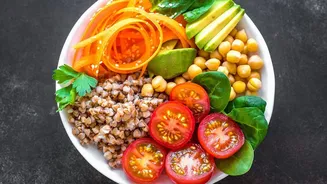
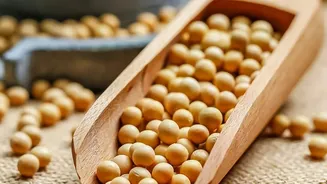
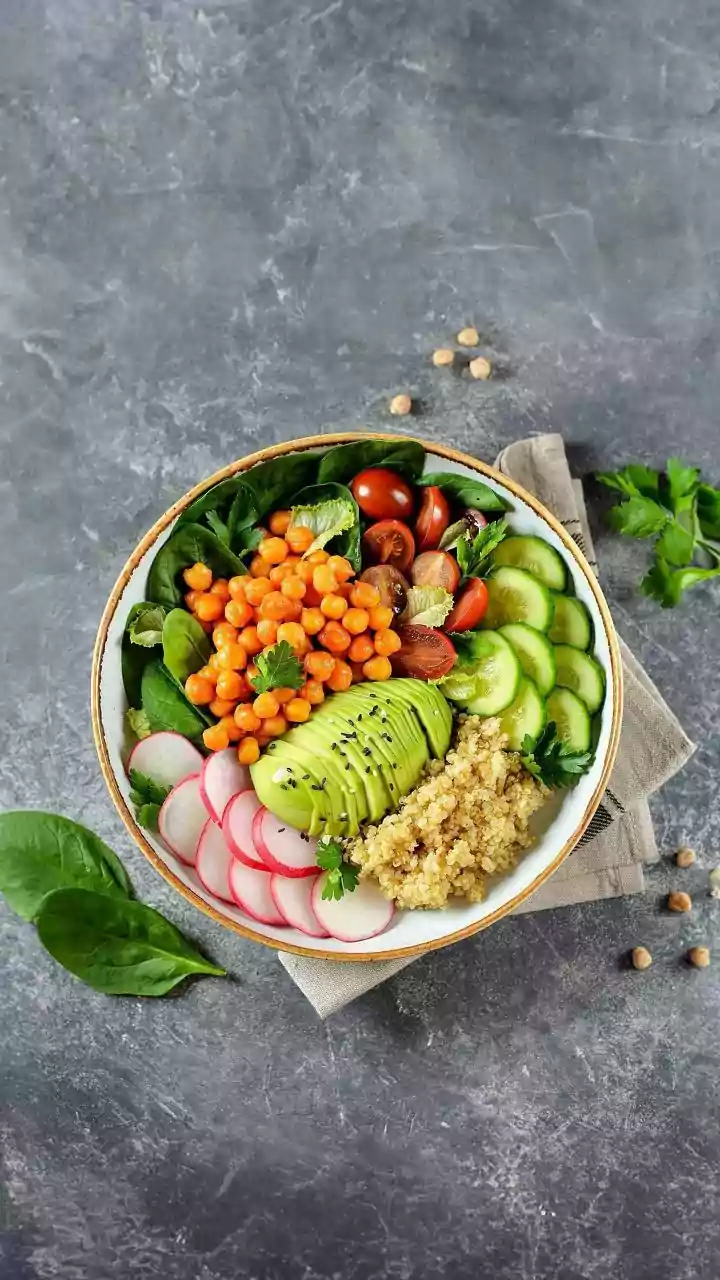
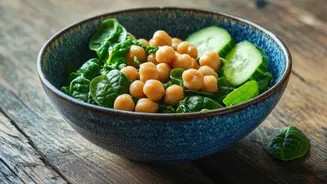
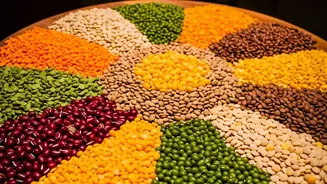
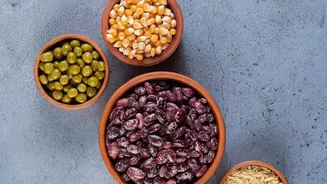
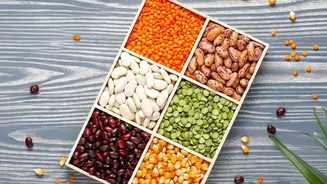
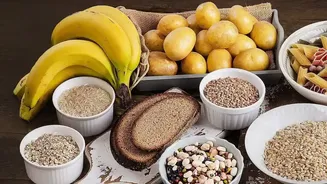
This is where the concept of 'complementary proteins' comes into play. Different plant foods have different amino acid profiles. Grains, for instance, are typically low in the essential amino acid lysine but contain adequate amounts of methionine. Legumes—a family that includes beans, lentils, and chickpeas—are the perfect partner because they are rich in lysine but low in methionine. When you combine them, their amino acid profiles complement each other, creating a meal that delivers all nine essential amino acids. This simple strategy has been the foundation of traditional cuisines around the world for centuries, from dal and rice in India to beans and tortillas in Mexico.
Delicious Combinations for Your Kitchen
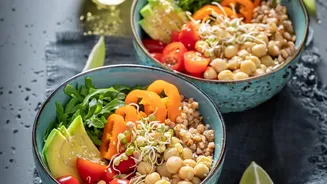
Incorporating complementary proteins into your diet is both easy and delicious. Many classic Indian dishes are perfect examples of this nutritional wisdom. A comforting bowl of dal with rice provides a complete protein profile. Similarly, enjoying chana masala (chickpeas) with whole wheat roti or paratha is another powerful combination. Other fantastic pairings include a peanut butter sandwich on whole wheat bread, hummus with pita bread, or a simple bean and corn salad. The versatility is endless, allowing you to fuel your recovery with flavourful, nutrient-dense meals that support your athletic goals.
Do You Need to Combine in One Meal?
It was once believed that you needed to eat complementary proteins at the exact same meal for your body to use them effectively. However, modern nutritional science has shown this is not necessary. Your body maintains a pool of amino acids, so as long as you consume a variety of plant protein sources—like grains, legumes, nuts, and seeds—throughout the day, your body can pull what it needs to synthesize complete proteins. That said, combining them in a meal is a simple and convenient way to ensure you are consistently providing your body with the fuel it needs for recovery, especially in the crucial window after a workout.