






Farming the Sun and the Soil
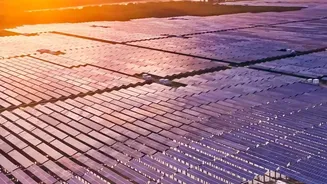
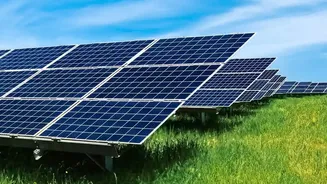
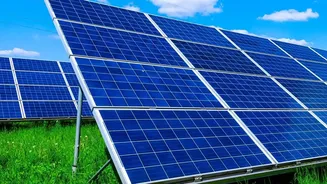
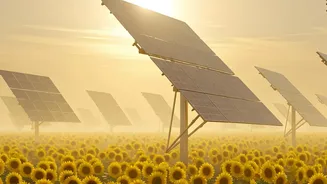
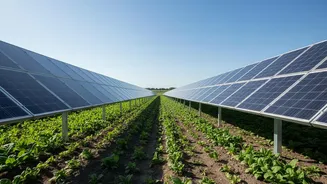
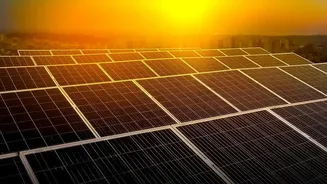
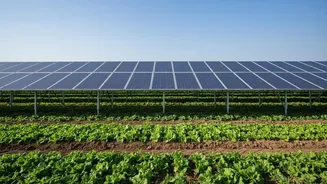
At its core, agrivoltaics—also known as solar farming—is a simple but revolutionary idea: installing elevated solar panels on agricultural land. This allows farmers to continue cultivating crops underneath while simultaneously generating clean electricity.
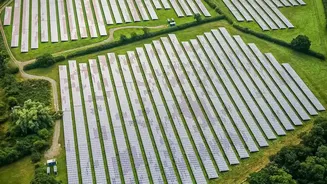
Unlike traditional solar farms that occupy vast tracts of land, this dual-use model addresses the conflict between food security and renewable energy goals. Panels are mounted high enough for farm machinery to pass underneath and are spaced to allow adequate sunlight to reach the plants below. This synergy turns a single plot of land into a double-revenue-generating asset, a concept gaining serious traction across the country.
More Than Just a Second Paycheck
The benefits of agrivoltaics extend far beyond the extra income from selling electricity. The shade provided by the panels creates a unique microclimate that can be highly beneficial. Studies and pilot projects in India have shown that this partial shade reduces water evaporation from the soil by up to 30%, a critical advantage in a water-stressed country. This also protects certain crops from extreme heat, heavy rain, and hail, leading to more stable and sometimes even higher yields for shade-tolerant varieties like tomatoes and certain greens. For farmers, this translates into reduced irrigation costs, increased climate resilience, and a more predictable harvest, on top of the new income from power generation.
The Latest Policy Push
The government is actively creating an ecosystem for this technology. The Pradhan Mantri Kisan Urja Suraksha evam Utthaan Mahabhiyan (PM-KUSUM) scheme, aimed at solarising agriculture, is a key enabler. While not exclusively for agrivoltaics, its components support setting up decentralised solar plants on farmland, providing a ready framework. More specifically, recent developments show a targeted push. In August 2026, Sher-e-Kashmir University of Agricultural Sciences and Technology of Kashmir (SKUAST-K) announced a collaboration to set up a 50-kW agrivoltaics research pilot. This project aims to generate scientific evidence on crop performance and economic viability, particularly for high-value crops in regions with limited land, informing future policy decisions. These initiatives, backed by groups like the India Agrivoltaics Alliance, signal a move from scattered pilots to a more structured national strategy.
Hurdles on the Ground
Despite the immense potential, widespread adoption faces significant challenges. The primary barrier is the high upfront cost; an agrivoltaics system can be 30-40% more expensive than a conventional ground-mounted solar project due to the elevated structures. This puts it out of reach for many small and marginal farmers without targeted subsidies or innovative financing models. Furthermore, there are regulatory ambiguities concerning land use reclassification that can create uncertainty for farmers. A lack of awareness and technical expertise also leads to hesitancy. Convincing a farmer to alter their traditional cultivation methods requires strong evidence and on-ground support, which current pilot projects are working to provide.
A New Vision for Rural India
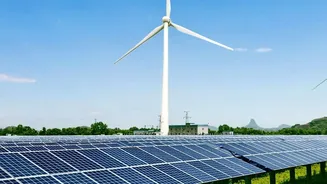
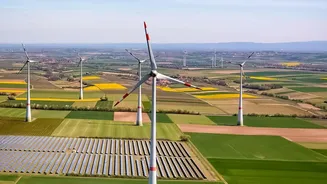
Agrivoltaics prompts a fundamental rethinking of what a farm is. It's no longer just a place for food production but a decentralised energy hub. By empowering farmers to become energy producers, or 'prosumers', the model can stabilise rural incomes against volatile crop prices and unpredictable weather. The predictable revenue from selling electricity provides a crucial buffer, enhancing financial security. For policymakers, this technology offers a way to pursue renewable energy targets without sacrificing precious agricultural land, a critical concern for a growing nation. It aligns perfectly with national goals of doubling farmer income and achieving 500 GW of non-fossil fuel capacity.