





The Smoke Point Showdown
Every cooking fat has a smoke point — the temperature at which it stops shimmering and starts smoking, breaking down and releasing harmful compounds called free radicals. Ghee has a significantly high smoke point, typically around 250°C. In contrast,
many common refined oils, like sunflower oil, smoke at lower temperatures, often between 200°C and 230°C. This matters immensely in Indian cooking, where high-heat techniques like tadka (tempering spices), stir-frying, and deep-frying are common. Using a fat above its smoke point not only creates a toxic smoke but also degrades the nutritional quality of your food.
The Case Against Refined Oils
The popularity of refined oils was built on the promise of being 'light' and 'heart-healthy'. However, a growing awareness of their production process is causing consumers to reconsider. Most refined oils are extracted using high heat and chemical solvents like hexane before being bleached and deodorised to achieve a neutral taste and colour. This intensive process strips the oil of natural nutrients and antioxidants. Furthermore, many refined vegetable oils are high in polyunsaturated omega-6 fatty acids, which can be unstable at high heat and contribute to inflammation when consumed in excess.
Ghee's Comeback, with a Modern Twist
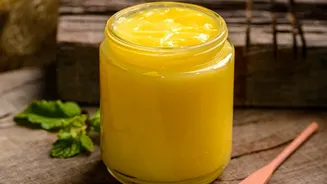
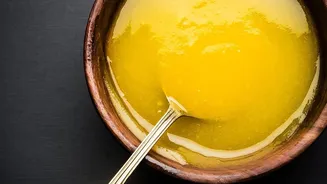
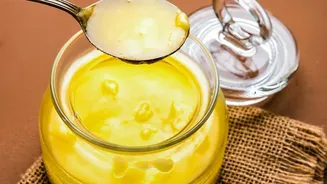
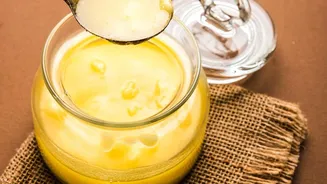
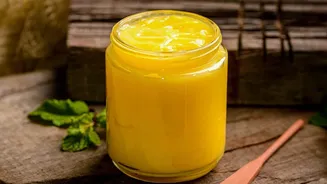
Ghee, or clarified butter, is making a major comeback, championed not just by grandmothers but also by nutritionists and chefs. By simmering butter to remove milk solids and water, the resulting pure fat is stable and nutrient-dense. It's rich in fat-soluble vitamins like A, E, and K, and contains butyrate, a short-chain fatty acid that supports gut health. The latest evolution is infused ghee. This is where traditional ghee meets modern flavour preferences. By infusing the ghee with herbs and spices—like garlic, turmeric, rosemary, or chilli—it becomes a versatile, flavour-packed ingredient. This trend offers both the health advantages of ghee and a convenient way to add complex flavour to dishes without extra effort.
The Infusion Advantage: Flavour and Function
Infused ghee isn't just a gimmick; it serves a dual purpose. From a culinary perspective, it’s a flavour shortcut. A spoonful of garlic-infused ghee can transform a simple dal, while a herb-infused version can elevate roasted vegetables. It adds a layer of aroma and taste that plain oil cannot match. From a health perspective, this practice aligns with Ayurvedic principles, where ghee is often used as a carrier substance for the medicinal properties of herbs. While modern science is still exploring these synergistic effects, a turmeric-infused ghee, for example, combines the gut-friendly properties of ghee with the anti-inflammatory benefits of curcumin.
Making the Switch: Health, Taste, and Cost
The switch from refined oil to infused ghee involves considering a few factors. Health-wise, ghee's stability at high temperatures makes it a safer choice for high-heat Indian cooking. Flavour-wise, ghee offers a rich, nutty taste that many find enhances food, a stark contrast to the flavourless nature of most refined oils. The infusion adds another dimension of taste. The main barrier for many is cost. Ghee, especially infused or A2 Bilona varieties, is significantly more expensive than mass-produced refined oil. However, proponents argue that because ghee is more flavourful, a smaller quantity is often needed. Also, its long shelf life without refrigeration adds to its value.