




A City Reborn in the Rains
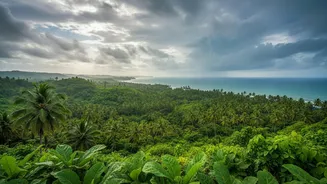
There is a reason Emperor Jehangir called Mandu the 'City of Joy' (Shadiabad), especially during the monsoon. From July to September, the entire plateau is transformed. The scorching summer heat gives way to a landscape of impossible green, as rain breathes
new life into ancient stones and fills the vast lakes. Mist drifts lazily through valleys and clings to the domes of forgotten tombs, creating a scene that feels less like a historical site and more like a painting. For photographers and romantics, this is Mandu at its most enchanting, where every archway and pavilion tells a story enhanced by the sound of falling rain.
The Floating Palaces and Royal Romance
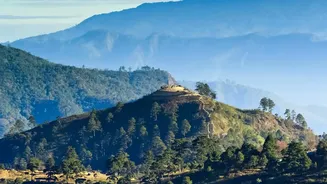
The heart of Mandu's monsoon appeal lies in its stunning architecture, which seems designed for the season. The most iconic of these is Jahaz Mahal, the 'Ship Palace'. This 120-metre-long structure, built between two artificial lakes, Munj Talao and Kapur Talao, truly looks like a majestic ship afloat when the reservoirs are full. Nearby is Hindola Mahal, or the 'Swinging Palace', so named for its distinctive sloping walls that create an illusion of movement. No visit is complete without seeing Rani Roopmati's Pavilion. Originally an army watchtower, this hilltop structure offers breathtaking views across the Nimar plains. Legend holds that Queen Roopmati would come here to gaze upon the distant, sacred Narmada River before she would eat. The combination of architectural genius and timeless love stories makes these sites utterly captivating.
Beyond the Main Monuments
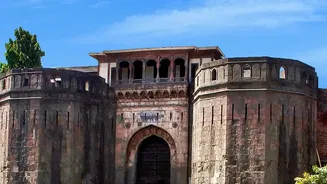
While the main palaces draw the biggest crowds, Mandu is scattered with dozens of other significant monuments worth exploring. Jami Masjid, inspired by the great mosque of Damascus, is a colossal example of Afghan architecture with a serene and imposing courtyard. Just opposite lies Hoshang Shah's Tomb, a magnificent 15th-century mausoleum and India's first major structure to be built entirely of marble, which is said to have served as an inspiration for the Taj Mahal. History buffs can also delve into the Baz Bahadur's Palace, Ashrafi Mahal, and the various gateways or 'Darwazas' that once guarded this fortified city. Each ruin and restored building contributes to the rich tapestry of Mandu's long and varied history.
Planning Your Weekend Escape
Mandu's accessibility is a key part of its charm for weekend travellers. From Indore, the city is a mere 95-100 kilometres away, making for an easy road trip of about two to three hours. Regular state-run buses from Sarwate Bus Stand in Indore are the most budget-friendly option, costing around ₹100 for a one-way trip. For those coming from Bhopal, the journey is longer, approximately 290 kilometres, and can take around five to six hours by car or bus. Direct buses are available, though some travellers opt to break the journey in Dhar. Hiring a private cab is also a popular, more comfortable option for groups, with fares from Indore starting around ₹2,000.
A Getaway That's Easy on the Wallet
One of Mandu's biggest draws is its affordability. Entry fees to most of the major monuments are just ₹15-₹25 for Indian tourists. Accommodation is plentiful and suits all budgets, with guesthouses and basic hotels available for as little as ₹800 per night. Even the state-run MPTDC hotels like Malwa Resort and Malwa Retreat offer comfortable stays at reasonable prices. Food is another area where you can save. Delicious local Malwa cuisine, like Poha-Jalebi or Dal Bafla, can be enjoyed at roadside stalls and local dhabas for a fraction of the price of city restaurants. A couple can easily enjoy a fulfilling weekend trip to Mandu for under ₹5,000, including travel, stay, food, and sightseeing.