
Looking to add a touch of tranquil nature to your home without needing a large garden? Indoor moss gardening offers a stunning and low-maintenance way to bring vibrant green life into compact spaces, transforming any corner into a miniature oasis.
Why Choose Moss?
Unlike
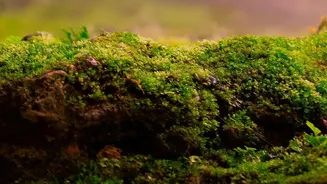
traditional houseplants, moss is exceptionally well-suited for indoor life, especially in small apartments or rooms with limited light. Mosses are non-vascular plants, meaning they don't have deep roots and instead absorb water and nutrients through their leaves. This makes them perfect for shallow containers and terrariums. They thrive in humid, shaded environments, conditions that are often easier to create indoors than the bright, direct sun many other plants require. Beyond their practicality, moss gardens offer a unique aesthetic, evoking the feeling of a serene forest floor. Their soft, velvety texture and rich green hues bring a sense of calm and natural beauty to any space. They are also incredibly low-maintenance, requiring no fertilizer and only occasional misting once established.
Gathering Your Supplies
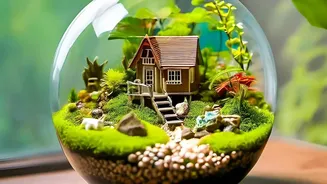
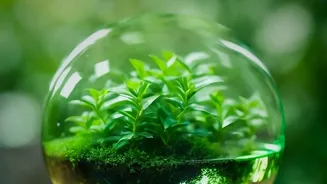
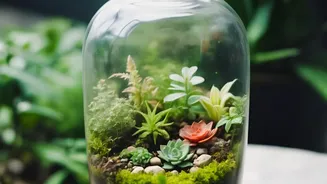
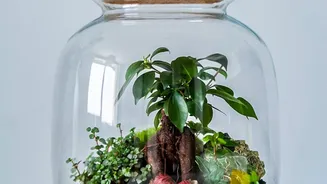
Starting your own moss garden is simple and requires only a few key items. First, choose your container. Glass jars, bowls, or terrariums are popular choices because they trap humidity, creating an ideal environment. Next, you will need a base layer for drainage, such as small pebbles or gravel. A thin layer of activated charcoal on top of the pebbles will help keep the environment fresh by filtering impurities. For the growing medium, a blend of peat moss and potting soil or a specialized bonsai soil works well. Finally, select your moss. For beginners, Cushion Moss (Leucobryum glaucum), Sheet Moss (Hypnum imponens), and Mood Moss (Dicranum scoparium) are excellent choices as they are hardy and visually appealing. You can often purchase live moss from garden centres or online nurseries.
Assembling Your Miniature Garden
Creating your moss garden is a mindful and creative process. Start by cleaning your chosen container thoroughly. Add your layer of pebbles for drainage, followed by the activated charcoal. Lightly moisten your potting substrate and add it on top. Now for the fun part: arranging the moss. Gently press your moss onto the substrate, but do not bury it. You can use different types of moss to create texture and visual interest, mimicking rolling hills or a flat, carpeted forest floor. Feel free to add small stones, pieces of driftwood, or miniature figurines to complete your tiny landscape. Once you are happy with the arrangement, mist the entire setup with filtered water or rainwater.
Caring For Your Moss Garden
The key to a thriving moss garden is maintaining the right moisture and light levels. Moss prefers indirect, diffused light, so a spot near a north_facing window or under a soft lamp is ideal. Avoid direct sunlight, which can quickly dry out and scorch the delicate plants. The most crucial aspect of care is watering. Moss should remain moist but not waterlogged. Misting with a spray bottle two to three times a week is usually sufficient. It is best to use rainwater or distilled water, as the chlorine and minerals in tap water can harm the moss over time. If your garden is in a closed terrarium, you will notice condensation on the glass; this is a good sign that the humidity is high enough. If water begins to pool at the bottom, simply open the lid for a few hours to allow for some air circulation and prevent mould.
Creative Moss Decor Ideas
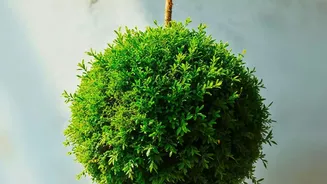
While terrariums are a classic choice, your creativity doesn't have to stop there. One popular alternative is Kokedama, the Japanese art of creating 'moss balls'. This involves wrapping a plant's root ball in a soil mixture and then encasing it in sheet moss, secured with twine. These living sculptures can be hung or placed in a shallow dish, adding a unique and artistic green element to your decor. You can also create moss wall art using frames, or decorate objects like vases and plant pots with sheet moss for a rustic, natural look. For a zero_maintenance option, preserved moss can be used to create stunning, permanent green displays.