





Plan Your Pookkalam Before Buying Flowers
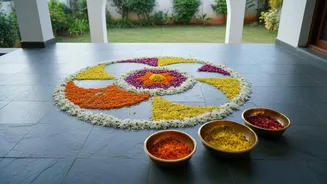
The most common mistake is buying flowers first and planning the design later. A beautiful Pookkalam starts with a clear plan. Before heading to the market, decide on two key factors: size and complexity. Use a piece of chalk to draw a circle where you
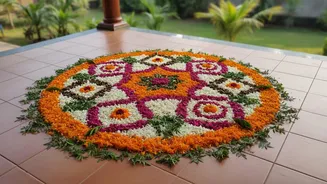
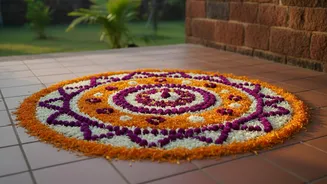
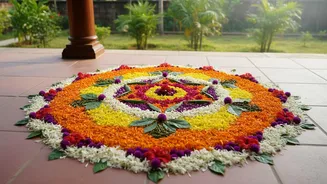
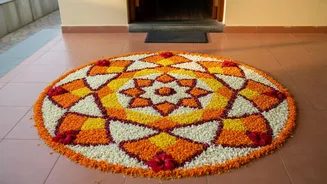
plan to place the Pookkalam, whether it's at your entrance or in a living room corner. A small design for an apartment might be just one or two feet in diameter, while a larger one for a courtyard could be much bigger. Once you have the outline, sketch a simple pattern. Classic concentric circles are beginner-friendly and elegant. A simple plan prevents overspending and ensures you buy only the flowers you need for your design.
Choose Budget-Friendly Flowers
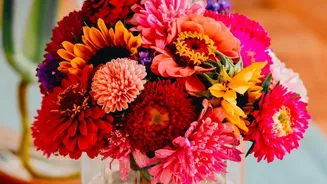
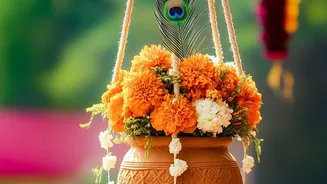
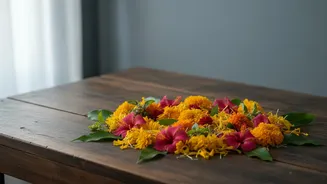
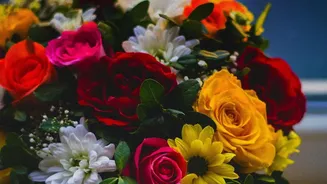
Not all flowers are created equal when it comes to cost. Marigolds (Jamanthi) are a popular and budget-friendly choice, offering bright yellow and orange hues that can fill large sections of your design affordably. Other cost-effective options include chrysanthemums and globe amaranth. While roses and jasmine add beauty and fragrance, they can be more expensive. Consider using them as accent flowers rather than the main filler. Traditionally, Pookkalams used locally available flowers like Thumba (Ceylon Slitwort), Chethi (Ixora), and Mukkutti. If you have access to a garden, incorporating these can make your design both authentic and economical.
Smart Sizing for Maximum Impact
A larger Pookkalam isn't necessarily a better one. A small, neatly executed design can be more striking than a large, sparse one. For apartments and smaller homes, a compact Pookkalam is practical and charming. A diameter of two to three feet is often enough to create a festive focal point without overwhelming the space or your budget. Remember, the Pookkalam traditionally grows over the ten days of Onam, starting small on Atham day. You can adopt this approach by starting with a small central design and adding a new ring of flowers each day, allowing you to manage your flower budget over the festival period.
Design Tricks for a Fuller Look
There are several techniques to make your Pookkalam appear grander than its size suggests. Using leaves for borders or as fillers between colourful sections is a great way to add volume and a touch of green without buying more flowers. Creating patterns with strong colour contrast, such as yellow against red or white against orange, can make a simple design pop. Another strategy is to focus on a central, intricate motif. A detailed lotus or star pattern in the middle, surrounded by simple rings of colour, draws the eye and gives the impression of complexity. Using petals instead of whole flowers also helps cover more area and creates a smoother, more carpet-like texture.
Where and When to Buy Your Flowers
Flower prices can fluctuate significantly during the Onam season. For the best prices, try to buy from wholesale flower markets rather than smaller local florists, if possible. Prices are often driven by demand from large-scale Pookkalam competitions held by schools, offices, and community organisations. If you can, avoid buying flowers on the busiest days leading up to Thiruvonam. Planning ahead and purchasing your flowers a day or two earlier might help you secure better prices. Separating the petals only when you are ready to create the Pookkalam will help keep them fresh.