

No Excuses, Just Results
The biggest myth in fitness is that you need expensive memberships, fancy equipment, and hours of free time to get in shape. The truth is much simpler. Bodyweight exercises, which use your own body for resistance, are incredibly effective for building
strength, burning calories, and improving overall fitness. They are the perfect solution for a student's lifestyle because they cost nothing, require minimal space, and can be done anytime, anywhere. The two undisputed champions of the bodyweight world are the squat and the plank. Together, they form a powerful duo that targets almost every major muscle group, giving you a comprehensive workout without ever leaving your room.
The Power of the Squat
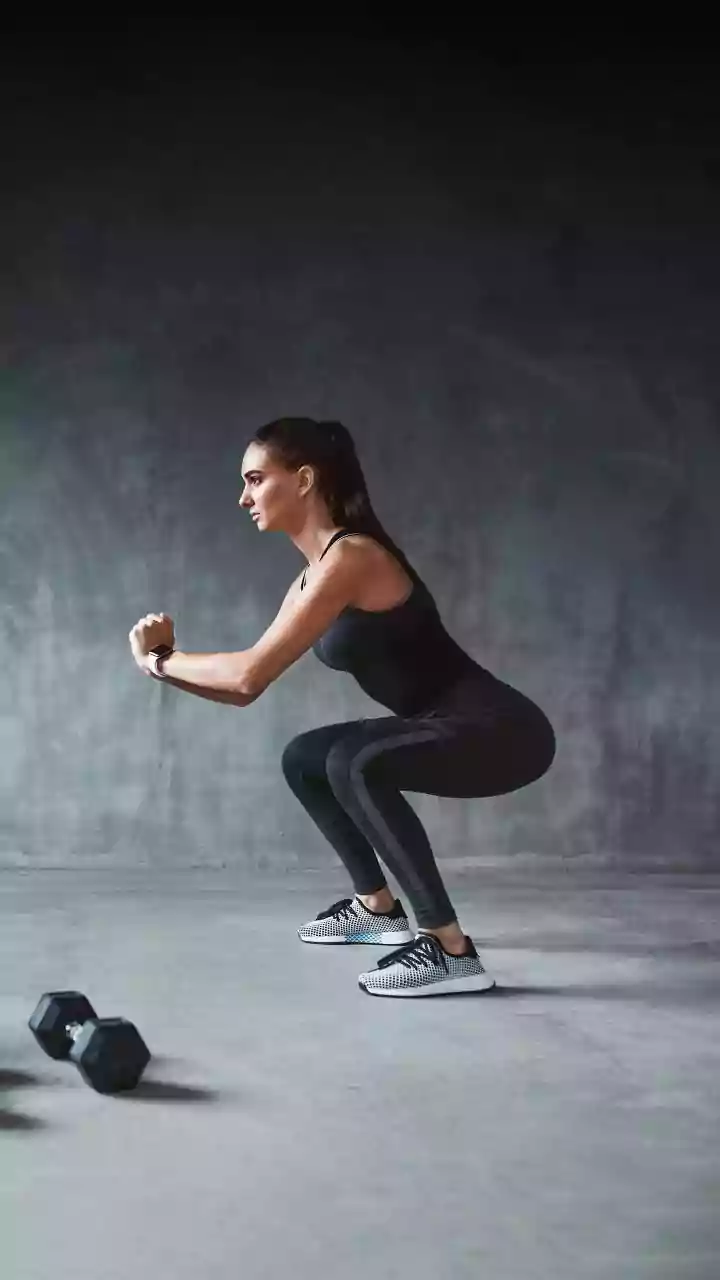
The squat is often called the king of all exercises, and for good reason. It's a functional movement that mimics the everyday action of sitting down and standing up. When you perform a squat, you're not just working your legs; you're engaging your quadriceps, hamstrings, glutes (your butt muscles), and even your core for stability. This compound movement strengthens your entire lower body, improves mobility in your hips, and can even boost your performance in other activities, like running or jumping. Regular squats also strengthen the bones, ligaments, and tendons around your leg muscles, which can help lower your chances of injuring your knees and ankles.
How to Perform the Perfect Squat
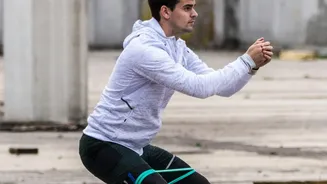
Form is everything when it comes to squats. Doing them correctly ensures you get the maximum benefit while preventing injury. Stand with your feet slightly wider than shoulder-width apart, with your toes pointing slightly outward. Keep your chest lifted and your gaze straight ahead. Initiate the movement by pushing your hips back, as if you're about to sit in a chair. Lower your body by bending your knees, making sure they track in line with your feet and don't collapse inward. Aim to get your thighs parallel to the floor, or as low as you can comfortably go, while keeping your weight on your heels. You should be able to wiggle your toes. To stand back up, push through your heels and straighten your hips to return to the starting position.
The Strength of the Plank
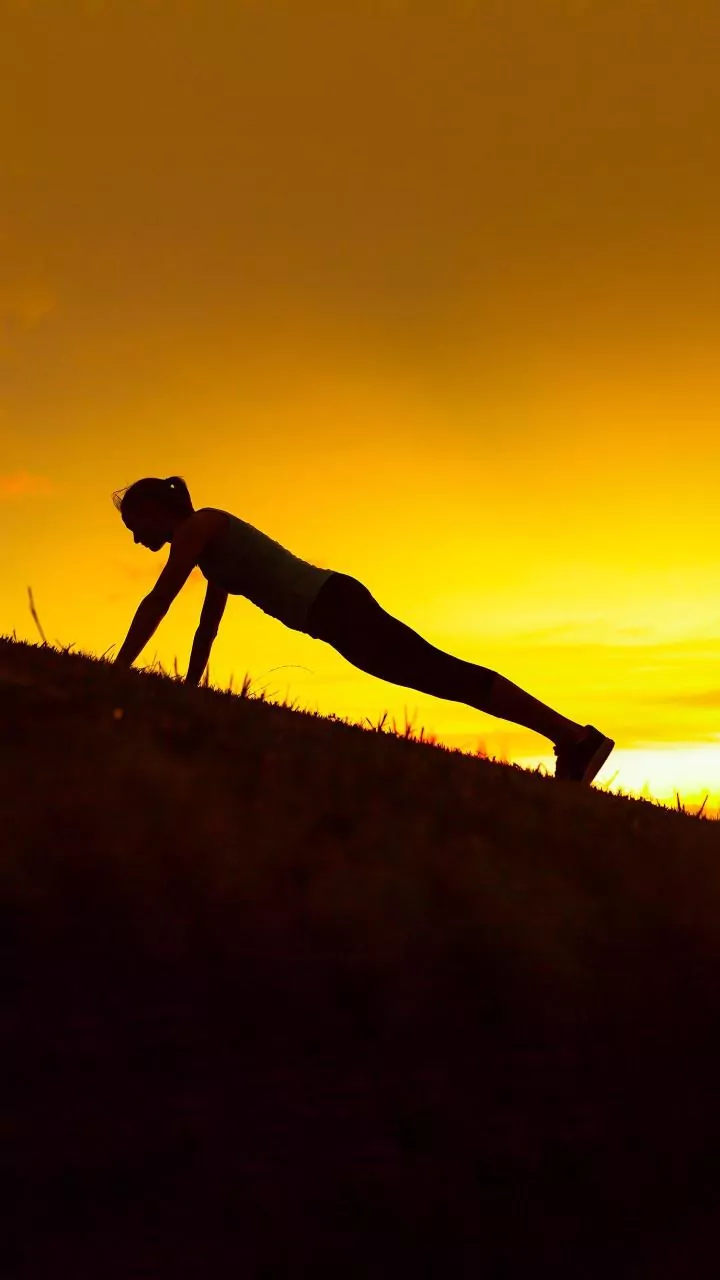
If the squat is king, the plank is the queen of core exercises. This seemingly simple static hold is a powerhouse for developing core strength, which is essential for good posture, balance, and protecting your lower back. The plank works your entire midsection, including the rectus abdominis (the 'six-pack' muscles), obliques (side abs), and transverse abdominis (the deepest layer of ab muscles). But it doesn't stop there. A proper plank also engages your shoulders, chest, back, glutes, and legs, making it a surprisingly effective full-body exercise.
How to Hold a Perfect Plank
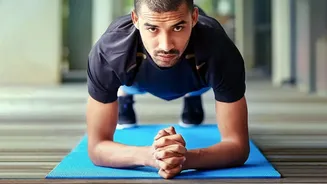
Like the squat, plank form is critical. Start by getting into a position on your forearms and toes. Place your elbows directly under your shoulders. Step your feet back until your body forms a straight, rigid line from your head to your heels. Avoid letting your hips sag or rise too high; your back should be flat. Engage your core by pulling your belly button in toward your spine, and squeeze your glutes. Keep your neck in a neutral position by looking at the floor just in front of your hands. Hold this position for as long as you can maintain good form, whether that's 20 seconds or a full minute.
Your 15-Minute Hostel Room Workout
Ready to put it all together? Here is a simple but challenging workout you can do three to four times a week. The goal is to focus on quality over quantity. Perform this circuit 3 to 4 times, resting for 60 seconds between each round: 1. Bodyweight Squats: 15 repetitions 2. Plank: Hold for 30-45 seconds 3. Jumping Jacks (or silent alternative like high-knees): 45 seconds to get your heart rate up 4. Plank Shoulder Taps: 20 repetitions (10 per side), keeping your hips as still as possible. 5. Glute Bridges: 15 repetitions. Lie on your back with knees bent, feet flat, and lift your hips toward the ceiling.
Consistency Is the Secret Ingredient
The headline promises results 'fast', but it's important to understand what that means. You will likely feel stronger and more energetic within a couple of weeks of consistent training. Visible changes, like muscle definition and fat loss, typically take longer, often becoming noticeable after a month or two, depending on your diet and consistency. The key isn't to perform one brutally difficult workout, but to show up for yourself consistently several times a week. Research shows that even short, regular bodyweight sessions can significantly improve fitness levels. Don't get discouraged if you can't hold a plank for a minute on your first try. Start where you are, focus on perfect form, and aim to improve a little bit each week. That is the true secret to building lasting fitness.