


Start with Superior Drainage
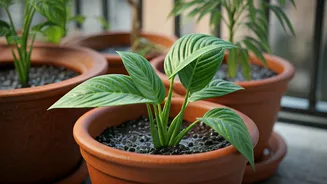
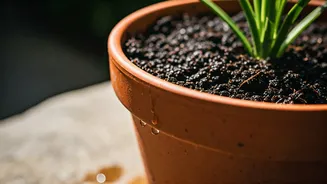
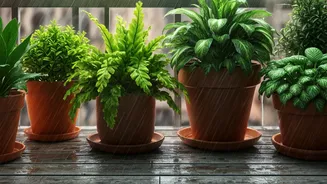
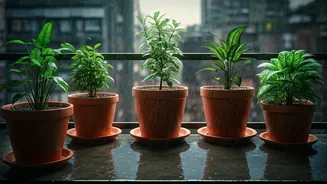
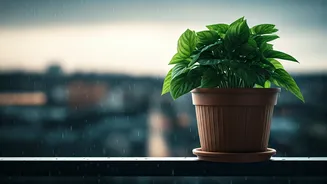
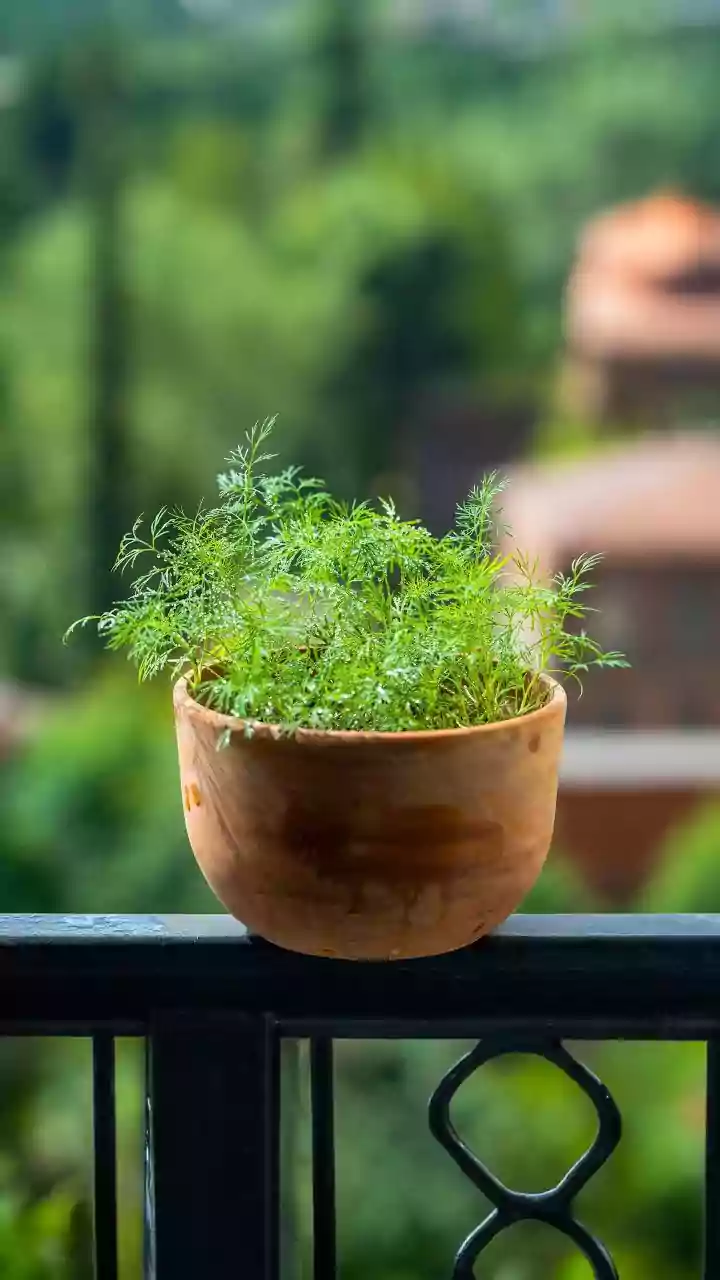
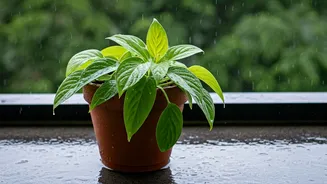
The single most important defence against root rot is excellent drainage. Heavy monsoon showers can quickly waterlog pots, suffocating roots by cutting off their oxygen supply. Start by ensuring every single one of your pots has multiple drainage holes
at the bottom. If a decorative pot lacks holes, either drill them yourself or use it as a cover pot, placing your plant in a smaller plastic pot with holes inside it. Crucially, you must elevate your pots. Placing them on pot stands, bricks, or even bottle caps creates a small gap that allows excess water to escape freely and improves air circulation, preventing the base from sitting in a puddle. Contrary to old advice, adding a layer of gravel or broken pottery at the bottom of a pot does not help; it can actually worsen drainage by creating a perched water table closer to the roots.
Create the Perfect Potting Mix
Never use heavy garden soil or red soil directly in your pots. In the confines of a container, it compacts easily, becoming a dense brick that holds too much water and blocks air. Instead, create or buy a light, fluffy, and well-draining potting mix specifically designed for containers. A great monsoon-ready mix combines ingredients that provide structure, aeration, and nutrients. Think of a blend with cocopeat or compost as the base, mixed with materials like perlite, coarse sand, or vermiculite. These components create air pockets in the soil, allowing water to drain through while retaining just enough moisture for the plant. This loose structure is vital for healthy root development and is your best insurance against the soggy conditions that fuel root rot.
Rethink Your Watering Schedule
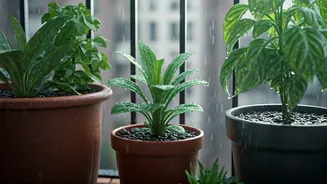
During the monsoon, you must abandon your regular summer watering routine. With high humidity and frequent rainfall, your plants often get all the moisture they need from the environment. Overwatering is the fastest way to invite root rot, and watering a plant that has already been rained on is a common mistake. Before you even think about picking up that watering can, use the finger test: stick your finger about two inches into the soil. If it feels moist, leave it alone. If it feels dry to the touch, then you can water. On days with heavy or continuous rain, your plants will almost certainly not require any additional water from you. Let nature do the work.
Improve Air Circulation and Shelter
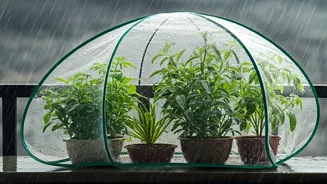
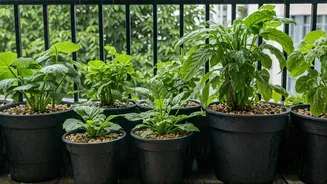
High humidity and damp foliage create the perfect breeding ground for fungal diseases. To combat this, ensure there is good airflow around your plants. Avoid crowding your pots together; giving them some space helps leaves dry faster after a shower. This is also an excellent time for some light pruning. Trimming away dense foliage, as well as any dead or yellowing leaves, improves air circulation through the plant's canopy, reducing the risk of fungal infections. For more delicate plants or those particularly sensitive to being waterlogged, like succulents, consider moving them to a spot with some overhead cover to protect them from the most intense downpours.
Know the Warning Signs
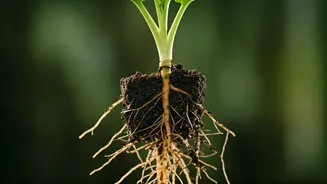
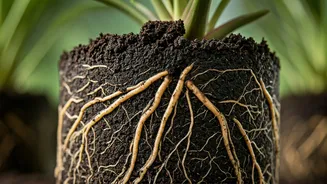
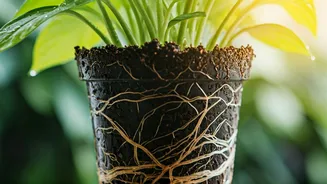
Early detection is key to saving a plant from root rot. The first signs often appear on the leaves. Be on the lookout for a plant that is wilting or drooping even though the soil is wet—this is a classic symptom that the roots are struggling and can no longer absorb water. Another common sign is the yellowing of lower leaves. If you suspect a problem, don't be afraid to investigate. Gently slide the plant out of its pot and inspect the roots. Healthy roots should be firm and whitish or tan in colour. If they are brown or black, feel mushy, and give off a sour or swampy smell, you have confirmed a case of root rot.