
More Than Just a Runway
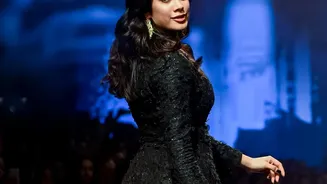
The traditional catwalk is no longer just a platform for displaying clothes; it has transformed into a stage for grand, artistic statements. During the Fall/Winter 2026 Haute Couture week, the most talked-about moments were not only the garments but the immersive
worlds created to showcase them. Designers are moving beyond the simple procession of models to create multi-sensory experiences that blend fashion with theatre, art installation, and performance. This shift signals a deeper change in the industry, where the narrative and context of a collection are becoming as crucial as the craftsmanship of the clothes themselves. It’s no longer enough to show beautiful gowns; the goal is to create a memorable, emotional, and often highly shareable, universe.
The Theatrical Spectacle
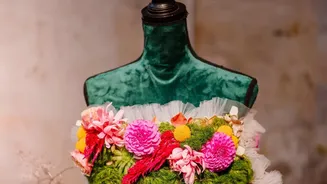
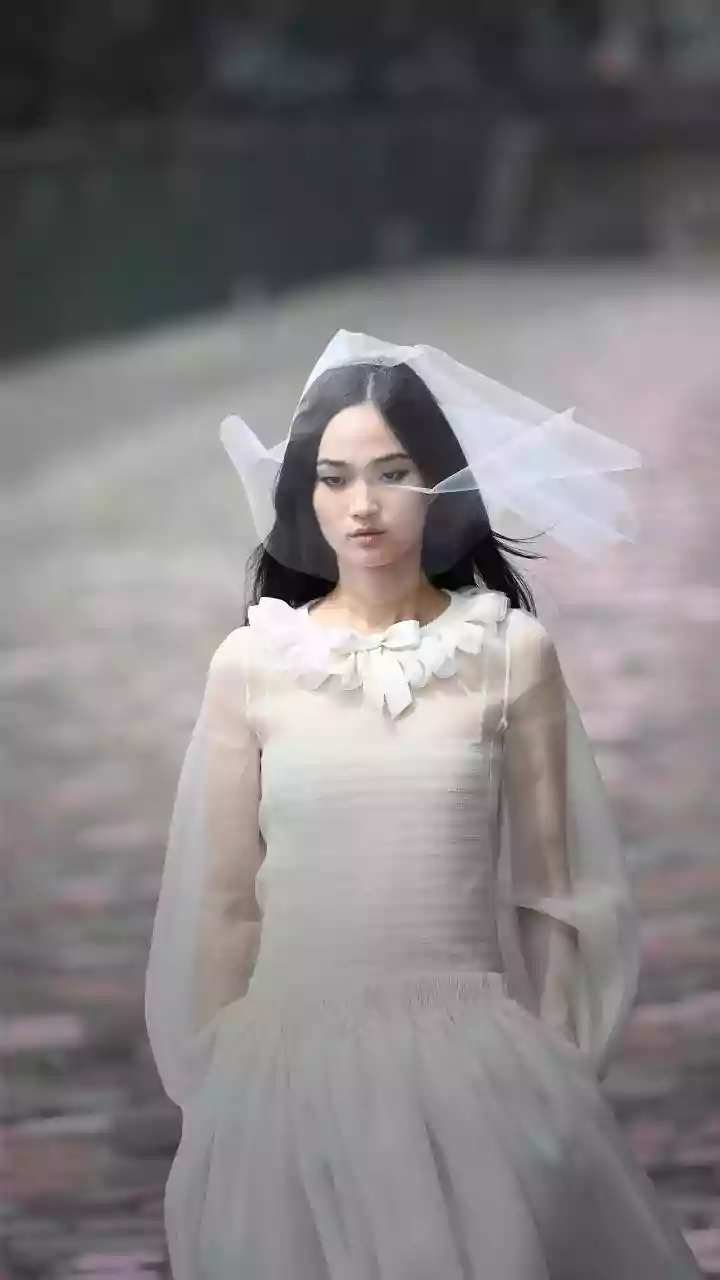
Several houses embraced full-blown theatricality. At Chanel, creative director Matthieu Blazy transformed the Grand Palais into an enchanted garden inspired by fairytales like "Jack and the Beanstalk," complete with massive green vines and a rainbow of flowers. The presentation was conceived as a story, with each silhouette contributing to a narrative of fantasy and escape. Similarly, Elie Saab's show, titled "The Ball of Untamed Dreams," was an invitation into a surrealist fantasy inspired by Salvador Dali and masked balls, creating an atmosphere of enigmatic glamour. Schiaparelli's Daniel Roseberry presented a high-concept spectacle with models walking a mirrored runway to the sound of a dramatic soliloquy he recorded himself, framing the collection as a leap into a creative void. These weren't just shows; they were performances designed to transport the audience.
Sculpture and Setting as Story
Other designers used art and sculpture as a central pillar of their presentations. Jonathan Anderson's sophomore couture collection for Dior was an homage to the American sculptor Lynda Benglis, held amidst the palm trees of the Musée Rodin. The clothes themselves were textural and sculptural, with monumental fan-like structures and elaborate fringe that mirrored Benglis's poured latex sculptures, turning models into walking works of art. Indian designer Rahul Mishra continued his celebrated dialogue between craft and concept, drawing inspiration from ancient Indian temple architecture for his collection "Devi: The Eternal Muse." Models walked like living statues, adorned with headpieces resembling temple crowns and intricate embroidery that mimicked the texture of carved stone, effectively turning the runway into a mobile architectural exhibition.
The Driving Force Behind the Change
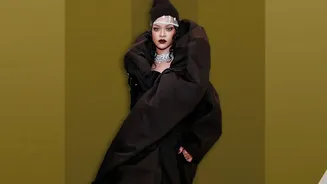
So why is this happening now? The reasons are multifaceted. In a crowded digital landscape, a spectacular show creates unforgettable images that cut through the noise on social media. The drama of Emma Corrin's feathered jacket at Schiaparelli or Gigi Hadid's cocoon-like Balenciaga dress is designed for maximum visual impact online. Furthermore, there is a growing desire for fashion to be more than just commercial; it needs to offer meaning and escapism. Couture, as fashion's ultimate laboratory, is the perfect place for this experimentation. By treating presentations as an art form, designers are not just selling clothes—they are building a deeper cultural conversation, inviting their audience to engage with ideas of beauty, technology, and storytelling. As the designer for RVNG, Jordan Hyatt, put it, the goal is to turn fashion into an immersive dialogue between fabric and form.