

Confirm Park Reopening Dates
While most national parks close during the peak monsoon months (July to September), there is no single reopening day for all of them. The season typically kicks off from October 1st. For instance, popular tiger reserves like Ranthambore and Jim Corbett
generally start operations around this time. However, some zones within these parks, like the core Dhikala zone in Corbett, may open later in mid-November. Parks in Madhya Pradesh such as Kanha, Bandhavgarh, and Pench often reopen around mid-October. Always check the official website of the state's forest department for the most current and accurate dates before making any travel plans, as local weather and road conditions can cause delays.
Secure Your Safari Permit Early
This is the single most critical step. Safari permits for popular parks are limited and managed through official government portals. For high-demand reserves like Ranthambore, Bandhavgarh, and Corbett, permits often sell out within minutes of being released. Bookings typically open 60 to 120 days in advance. To maximise your chances, be ready to book online the moment the window opens, especially if you plan to travel on a weekend or public holiday. You will need to provide the full name, age, gender, and government-issued ID number for every person in your group. Ensure you carry the original ID during the safari, as it will be checked at the gate.
Choose Your Safari Vehicle: Jeep vs. Canter
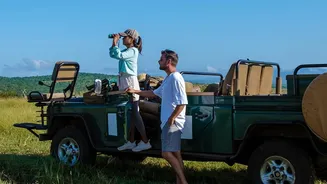
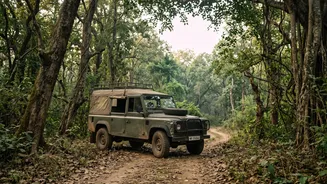
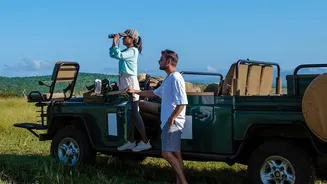
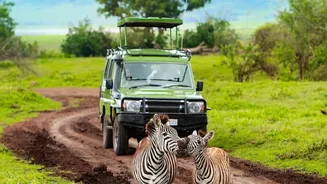
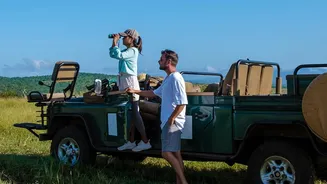
You'll generally have two choices for your safari vehicle: a 6-seater open jeep (often called a Gypsy) or a 20-seater open bus (a Canter). The best option depends on your priority and group size. A jeep offers a more private, flexible, and intimate experience. Its smaller size allows for better manoeuvrability on narrow tracks, which can be an advantage for wildlife sightings and photography. A Canter is a more budget-friendly choice, ideal for larger groups or solo travellers. While the experience is shared, its elevated seating can provide excellent panoramic views of the landscape. In some zones, like Dhikala in Corbett, the Canter is the primary mode of exploration for visitors staying outside the park.
Research and Select Safari Zones
National parks are divided into multiple safari zones or gates, and not all offer the same experience or probability of sightings. Some zones have better track records for specific animals. In Ranthambore, for example, zones 2, 3, and 6 have historically been popular for tiger sightings. Similarly, Bandhavgarh's Tala zone is highly sought after. Do some research online or consult with experienced travel operators to understand which zones are performing well during the season. When booking your permit, you can often list your preferred zones. Having multiple preferences increases your chances of securing a permit, even if your first choice is full.
Book Accommodation Close to Your Gate
Your safari permit is tied to a specific entry gate. Morning safaris often start before sunrise, so the last thing you want is a long, stressful drive from your hotel to the gate in the dark. Before booking your stay, verify which gate your safari is booked for and find a hotel or resort nearby. This simple check can save you precious time and ensure you arrive at the gate well in advance of your scheduled slot. Some travellers make the mistake of booking a hotel first, only to find their safari is from a gate an hour's drive away.
Pack for Post-Monsoon Conditions
Post-monsoon weather can be unpredictable. While days are often pleasant, early mornings can be surprisingly cold in an open safari vehicle. Layering is key. Pack lightweight, neutral-coloured clothing (khakis, browns, and greens are ideal) to blend in with the surroundings. Include a fleece or a light jacket for the chilly morning drives. Since some trails might still be damp or muddy, closed, comfortable shoes are essential. Also, pack sun protection like a hat and sunscreen, as the sun can get strong later in the day. A waterproof jacket or bag cover is also wise, just in case of a stray shower.