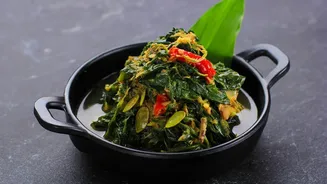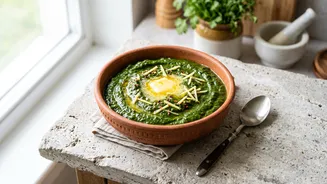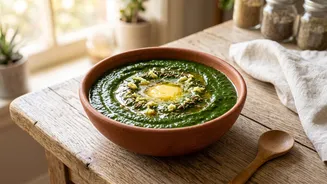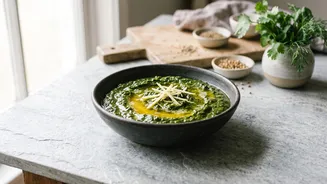





Saag is more than just a delicious, comforting dish; it’s a nutritional powerhouse. But how does the journey from a bundle of fresh leaves to a rich, creamy curry affect its vitamins and signature texture? Let's explore the science of cooking greens.
A Nutritional Powerhouse in Every Bite
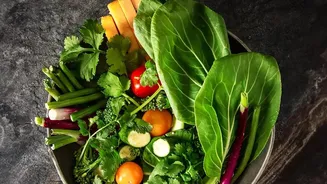
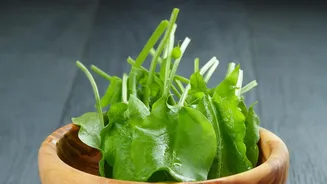
Saag, a beloved dish from the Indian subcontinent, is traditionally made with a blend of leafy greens. The most common star is mustard greens (sarson), often combined with spinach (palak), fenugreek (methi), or bathua (chenopodium album). Each of these greens brings a treasure trove of nutrients. They are packed with vitamins A, C, and K, which are vital for vision, immune support, and bone health. They are also a fantastic source of minerals like iron, calcium, and magnesium, along with essential dietary fibre that aids digestion. Furthermore, these greens contain powerful antioxidants and compounds like folate, which is particularly important for overall wellness.
The Great Texture Transformation
The magic of saag lies in its transformation from crisp, fibrous leaves into a soft, tender puree. This change is all thanks to a bit of kitchen chemistry. The rigid structure of raw vegetables comes from their cell walls, which are made of cellulose. Heat works to break down these tough cell walls. Another key component is pectin, a natural substance that acts like glue, holding plant cells together. As the greens cook, this pectin dissolves, causing the leaves to wilt and become much softer. This process not only makes the greens easier to chew and digest but also allows them to meld together into the creamy consistency that saag is known for. Overcooking, however, can destroy too much pectin, leading to a mushy and unappealing texture.
Where Do The Nutrients Go?
While cooking is essential for texture, it also affects the nutrient profile of the greens. The impact depends heavily on the type of nutrient and the cooking method. The most vulnerable are water-soluble vitamins, like vitamin C and the B-complex vitamins (including folate). When greens are boiled for a long time in a large amount of water, these nutrients can leach out into the water. In fact, studies on spinach show that boiling can slash vitamin C levels by more than half. In contrast, fat-soluble vitamins (A, E, and K) are more stable during cooking. Cooking can even make some nutrients more available for our bodies to absorb. Heat helps break down the plant's tough cell walls, releasing compounds like carotenoids (a form of vitamin A). Sautéing or adding a little fat like ghee or oil can further enhance the absorption of these fat-soluble vitamins.
Cooking for Maximum Nutrition
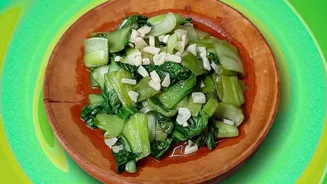
So, how do you cook saag to get the best of both worlds—great texture and retained nutrients? The key is to be mindful of water and heat. Instead of boiling the greens in a large pot of water and then discarding it, try steaming or pressure cooking with minimal water. These methods reduce the amount of time the greens are in contact with water, which helps preserve those precious water-soluble vitamins. If you do boil your greens, don't throw away the nutrient-rich cooking liquid. This water, full of leached vitamins and minerals, is a perfect base to be blended right back into the saag, ensuring you capture all the goodness. Also, avoid overcooking; the goal is to cook the greens until they are just tender, which helps protect heat-sensitive nutrients like vitamin C.
The Iron and Calcium Question
Spinach is famous for its iron and calcium content, but there's a catch. It contains a compound called oxalic acid, which can bind to these minerals and make it harder for your body to absorb them. The good news is that cooking helps. Heating breaks down some of the oxalic acid, which can improve the bioavailability of minerals like iron and calcium. Because cooking also reduces the volume of the leaves, you end up consuming a larger quantity of greens in a single serving of saag compared to a raw salad, which can help make up for any nutrient loss. To give your body an extra boost, try adding a squeeze of lemon juice to your finished saag. The vitamin C in the lemon dramatically increases the absorption of non-heme iron from plant sources like spinach.