




Succulents are loved for their unique beauty and low-maintenance appeal, but their watering needs are often misunderstood. More succulents are lost to overwatering than any other cause. Here’s how to get it right and keep your plants thriving.
The Golden Rule: Soak and Dry
The single
most important principle for watering succulents is the 'soak and dry' method. These plants evolved in arid environments with infrequent, heavy rainfall. To mimic this, you should water the soil thoroughly until it is completely saturated and water runs out of the pot's drainage hole. Then, and this is the crucial part, you must let the soil dry out completely before you even think about watering again. Sticking to a rigid schedule like 'once a week' is a common mistake that doesn't account for changes in temperature, humidity, or the plant's growth cycle. Always check the soil first.
How to Know When It's Time
So how do you know if the soil is truly dry? Don't just trust the surface. The top layer of soil dries out fastest, but the soil around the roots can remain wet for days. The most reliable method is to stick your finger or a wooden chopstick about two inches into the soil. If it comes out with moist soil attached, wait a few more days and check again. If it comes out dry and clean, it’s time to water. The pot's weight can also be an indicator; a pot with dry soil is significantly lighter than one with wet soil. Over time, you’ll get a feel for your plant's needs just by lifting it.
Signs of an Overwatered Succulent
Overwatering is the number one killer of succulents. Their roots are not designed to sit in soggy soil, which suffocates them and leads to root rot. The signs of overwatering can be deceptive. The leaves will become soft and mushy, but they may also appear yellowed or translucent. This happens because the plant’s water-storage cells have burst. In some cases, an overwatered plant will drop its leaves at the slightest touch. If you see these signs, act fast. Stop watering immediately and check the roots for rot, which will appear brown or black and feel mushy.
Signs of an Underwatered Succulent
While less dangerous than overwatering, underwatering also stresses the plant. The most common sign is wrinkled or shrivelled leaves. Unlike the mushy feel of an overwatered leaf, an underwatered leaf feels soft but deflated. The plant is using up its internal water stores, causing the leaves to lose their plumpness. You might also notice the lower leaves drying up and becoming crispy. In some cases, the plant may start to grow 'aerial roots' from its stem, which is an attempt to absorb moisture from the air. Fortunately, a thirsty succulent will usually bounce back quickly after a deep watering.
The Right Pot and Soil Are Crucial
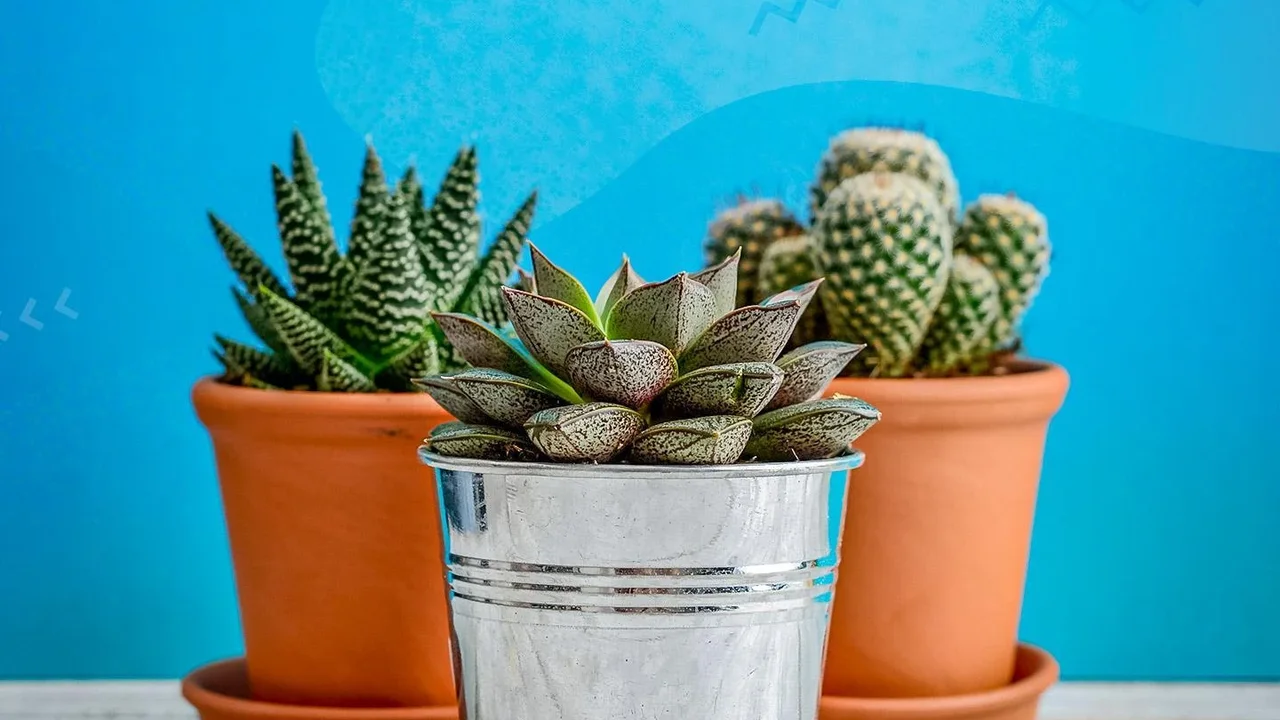
Proper watering is nearly impossible without the right foundation. First, your pot must have a drainage hole. A decorative pot without a hole is a recipe for root rot, as excess water has nowhere to go. Terracotta pots are an excellent choice because the porous material helps the soil dry out faster. Second, use a well-draining soil mix. Standard potting soil holds too much moisture for succulents. Look for a commercial cactus and succulent mix, or create your own by mixing regular potting soil with at least 50% mineral grit like perlite, pumice, or coarse sand to improve aeration and drainage.
Adjusting for the Seasons
A succulent's water needs change dramatically throughout the year. Most succulents are in an active growth phase during the spring and summer, so they will require more frequent watering—perhaps every 10 to 14 days, depending on conditions. In the autumn and winter, many succulents enter a dormant period where their growth slows down significantly. During this rest phase, you should reduce watering dramatically, often to just once a month or even less. Continuing to water on a summer schedule during winter is a very common way to cause root rot.