




The Legacy of Traditional Proteins
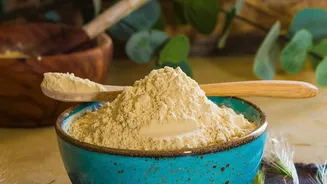
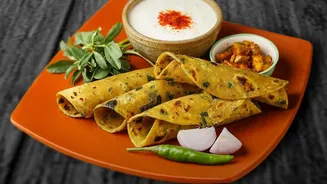
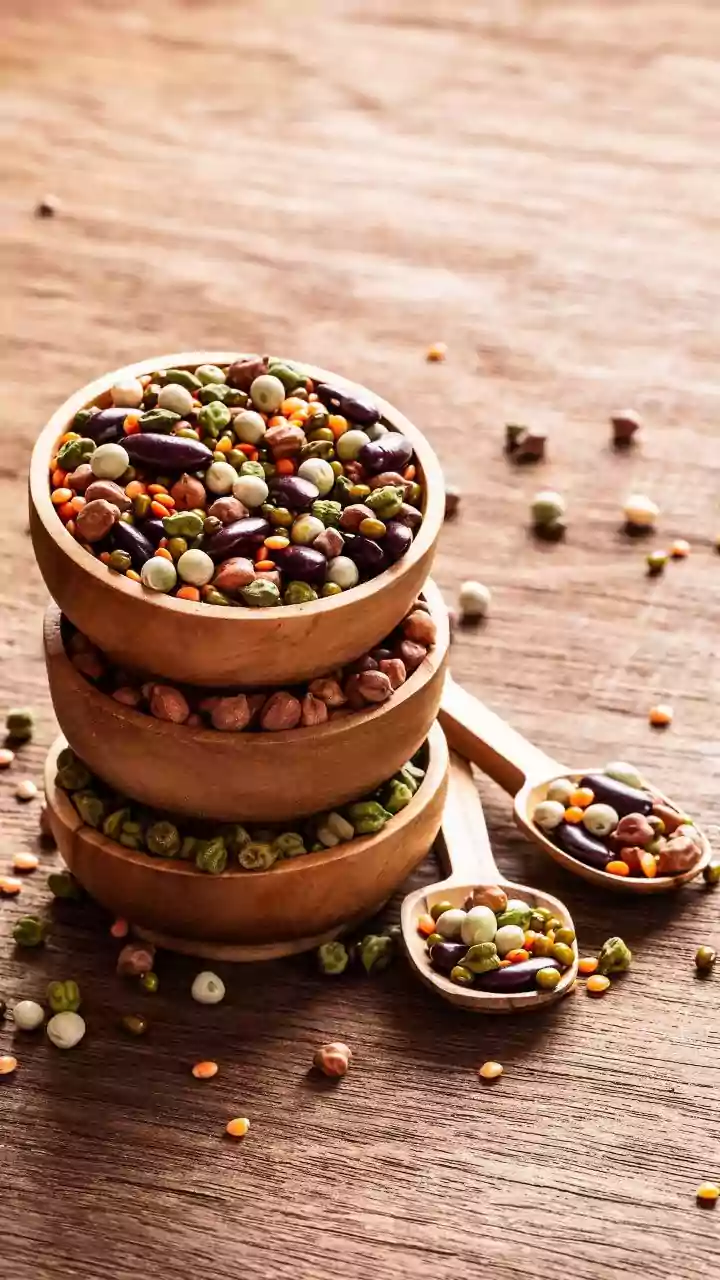
For many across India, sattu is more than just roasted gram flour; it's a cultural staple known for its cooling properties and dense nutrition. A single serving packs a significant amount of plant-based protein, fibre, and essential minerals like iron
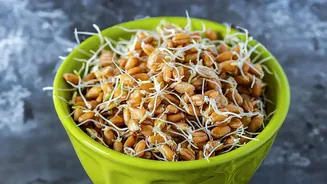
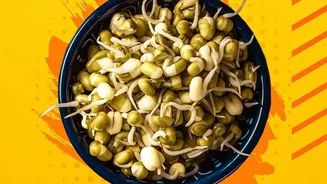
and magnesium. It’s inexpensive, widely available, and incredibly versatile—easily mixed into a refreshing drink or kneaded into rotis. Similarly, sprouted legumes like moong and chana are celebrated for their nutritional benefits. The sprouting process not only increases protein content but also enhances its digestibility and bioavailability by reducing anti-nutrients. They are a fantastic source of protein, fibre, and vitamins, making them a cornerstone of healthy Indian diets. For general wellness, these foods are undisputed champions.
The Post-Workout Dilemma
The conversation changes when we focus specifically on the crucial 30 to 45-minute window after an intense workout. During this period, muscles are primed for repair and growth, and they need protein that is not only high-quality but also rapidly absorbed. This is where traditional options face their limitations. Sattu, despite its benefits, offers around 20-25 grams of protein per 100 grams, which is less concentrated than many modern supplements. A typical 30-gram serving provides about 6-7 grams of protein. Furthermore, as a plant-based source, its amino acid profile is considered incomplete compared to whey, particularly in leucine, the key amino acid that triggers muscle protein synthesis. The high fibre content in both sattu and sprouts, while excellent for digestive health, also slows down protein absorption—the opposite of what is often desired immediately after a workout.
Enter Modern Protein Supplements
This is why many gym-goers are making a strategic 'upgrade' to protein powders like whey. Derived from milk during the cheesemaking process, whey protein is a complete protein, meaning it contains all nine essential amino acids. A single scoop typically delivers 20-30 grams of highly bioavailable protein that is absorbed quickly by the body, making it ideal for rapid muscle recovery. This speed and completeness are the primary drivers behind the shift. For athletes and those with intense training regimens, whey provides a convenient and efficient way to meet elevated protein needs precisely when it matters most. This move isn't necessarily about abandoning traditional foods but about optimising a specific nutritional moment for maximum results.
It's Not a Replacement, It's a Strategy
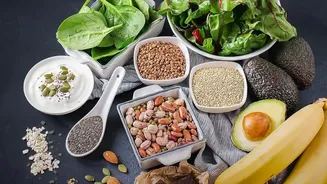
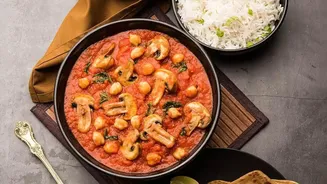
Viewing this trend as a simple switch from 'natural' to 'processed' is an oversimplification. Many fitness experts and nutritionists suggest a hybrid approach. Traditional foods like sattu, dal, paneer, and sprouts remain foundational for overall daily nutrition, providing a balanced mix of protein, carbs, fats, and micronutrients. They are perfect for meals throughout the day to maintain energy and satiety. The 'upgrade' to a protein shake is a tactical choice for the specific post-workout window, where speed and amino acid composition are prioritized for muscle repair. In essence, gym-goers aren't ditching their roots; they're adding a specialized tool to their nutritional toolkit. It’s about using the right form of protein at the right time for the right job.