




Why Winter Is Hard on Your Skin
Winter can be a tough season for our skin. The combination of cold, blustery air outside and dry, heated air inside creates a perfect storm for moisture loss. This constant shift in environment strips the skin of its natural oils, which act as a protective
barrier to keep moisture in and irritants out. When this barrier is weakened, you might experience tightness, flaking, redness, and a generally lacklustre complexion. While staying hydrated and using a gentle cleanser are essential, adding some natural, targeted treatments can provide an extra layer of support.
The Brightening Power of Orange Peels
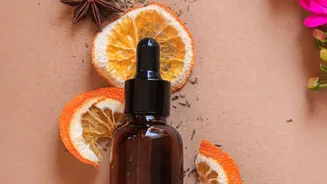
Don't toss that orange peel just yet. It's often considered the healthiest part of the fruit, containing more vitamin C than the pulp itself. Vitamin C is a celebrated ingredient in skincare for its ability to support collagen production, which helps keep skin firm and smooth. Orange peels are also packed with antioxidants that may help protect the skin from environmental stressors. When used in skincare, the peel's components are believed to help brighten a dull complexion, even out skin tone, and gently exfoliate. Its natural antibacterial properties also make it a popular ingredient in DIY remedies for oily and acne-prone skin.
DIY Radiance-Boosting Orange Peel Mask
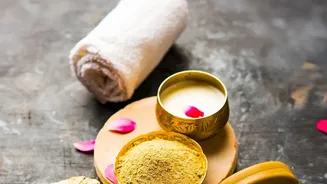
One of the easiest ways to use orange peel is by creating a powder. To do this, simply let the peels dry in the sun for a few days until they are completely crisp, then grind them into a fine powder. For a simple and effective face mask, mix one tablespoon of orange peel powder with two tablespoons of plain yoghurt to form a paste. Yoghurt contains lactic acid, which helps to soothe skin and lighten spots. Apply the mixture to your face and neck, leaving it on for about 15-20 minutes before rinsing off. This combination can help remove tan, exfoliate dead skin cells, and leave your skin feeling refreshed and glowing.
Banana Peels for Hydration and Soothing
While scientific studies on the direct benefits of rubbing a banana peel on your skin are limited, dermatologists suggest there's some logic behind the trend. Banana peels contain antioxidants, polyphenols, and carotenoids, which are known to fight free radical damage and have anti-inflammatory properties. Some experts believe that the tannins in the peel may act as a natural astringent, helping to temporarily tighten and tone the skin. Simply leaving the peel on your skin could also create a temporary barrier, helping to seal in moisture, which is especially beneficial for dry or dehydrated skin.
Simple Ways to Use Banana Peels
For a quick and easy treatment, you can gently rub the inner side of a fresh banana peel on your face, focusing on areas that feel dry or look dull. Leave it on for 10-15 minutes, allowing any residue to sit on the skin before rinsing it off with lukewarm water. This can have a cooling and soothing effect, making it ideal for skin that feels irritated from the winter elements. For a more moisturising mask, you can scrape the white fibres from the inside of the peel and mix them with a teaspoon of honey or fresh aloe vera gel. Apply the paste to your face for about 15 minutes for a boost of hydration.
A Word of Caution Before You Begin
While these DIY treatments are natural, it doesn't mean they're suitable for everyone. It is crucial to perform a patch test on a small area of your skin before applying any new ingredient to your entire face to check for irritation or allergic reactions. This is especially important with citrus peels, as the oils can cause sensitivity, particularly when exposed to sunlight, a reaction known as phytophotodermatitis. It is generally recommended to use dried orange peel powder rather than rubbing fresh peel directly on your face, as the powder is gentler. If you have a known allergy to bananas, you should avoid using the peel on your skin.