
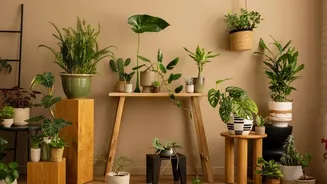

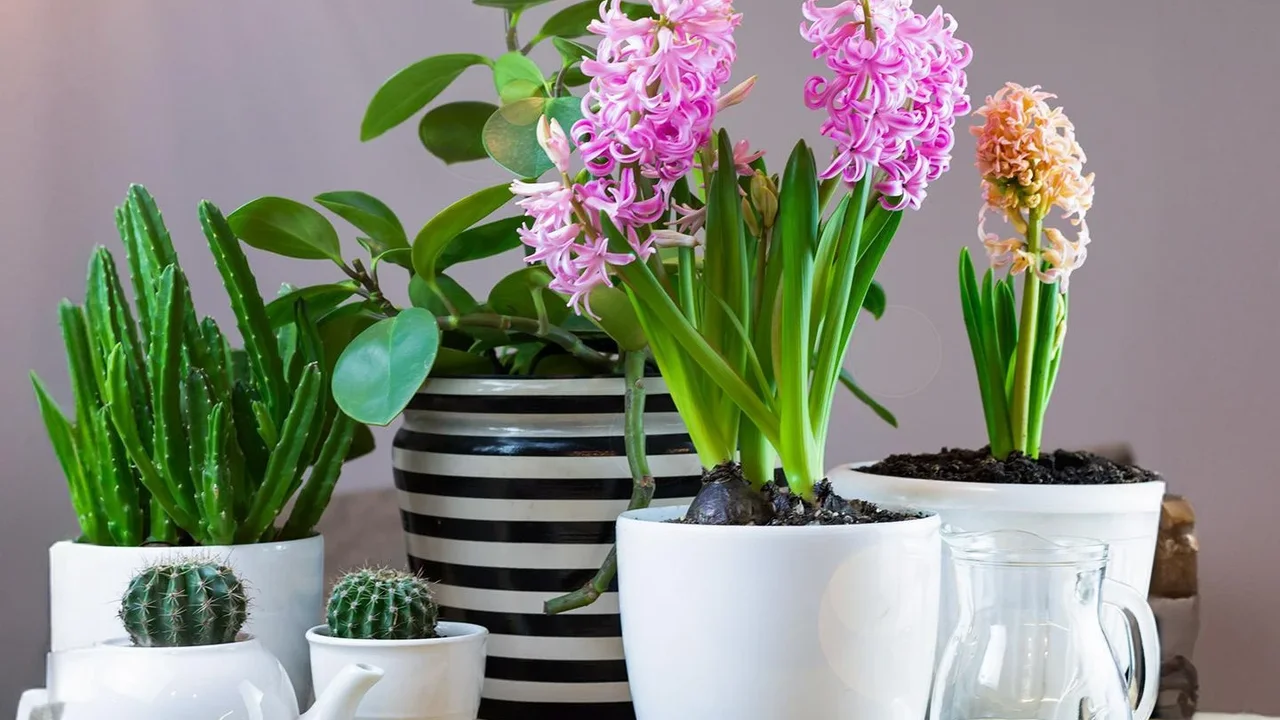
The Myth of 'More Is Better'
The trend of creating an 'indoor jungle' can be tempting, but it often sets new plant parents up for failure. Each plant that wilts can feel like a personal defeat, leading to frustration and the mistaken belief that you lack a 'green thumb'. The reality
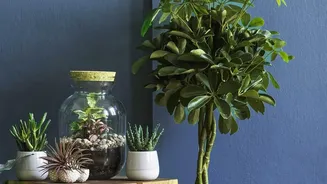
is, a successful indoor garden starts not at the nursery, but with a careful look at your own home and lifestyle. Instead of accumulating plants that might not be suited to your space, a curated approach saves time, money, and heartache. Choosing a few plants that are genuinely happy in your environment will result in a healthier, more beautiful, and far more rewarding display than a dozen struggling ones.
Assess Your Home Before You Shop
Before you even think about buying a plant, become an expert on your own space. The single most important factor is light. Observe your windows throughout the day. Do you have bright, direct sun streaming in, or is it mostly indirect light? Many Indian apartments have corners or rooms that receive very little natural light. Don't guess; knowing your light situation is crucial. Next, consider your habits. Are you a diligent caretaker or someone who might forget to water for a couple of weeks? Be honest with yourself. Finally, think about the space itself. Do you need a tall plant for a corner, or a trailing one for a high shelf? Answering these questions first is the key to choosing a plant that won't just survive, but thrive.
For Low-Light and Shady Corners
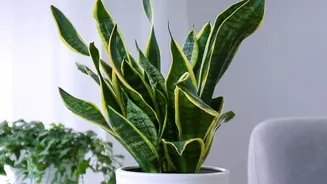
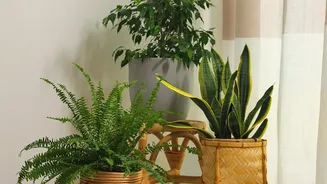
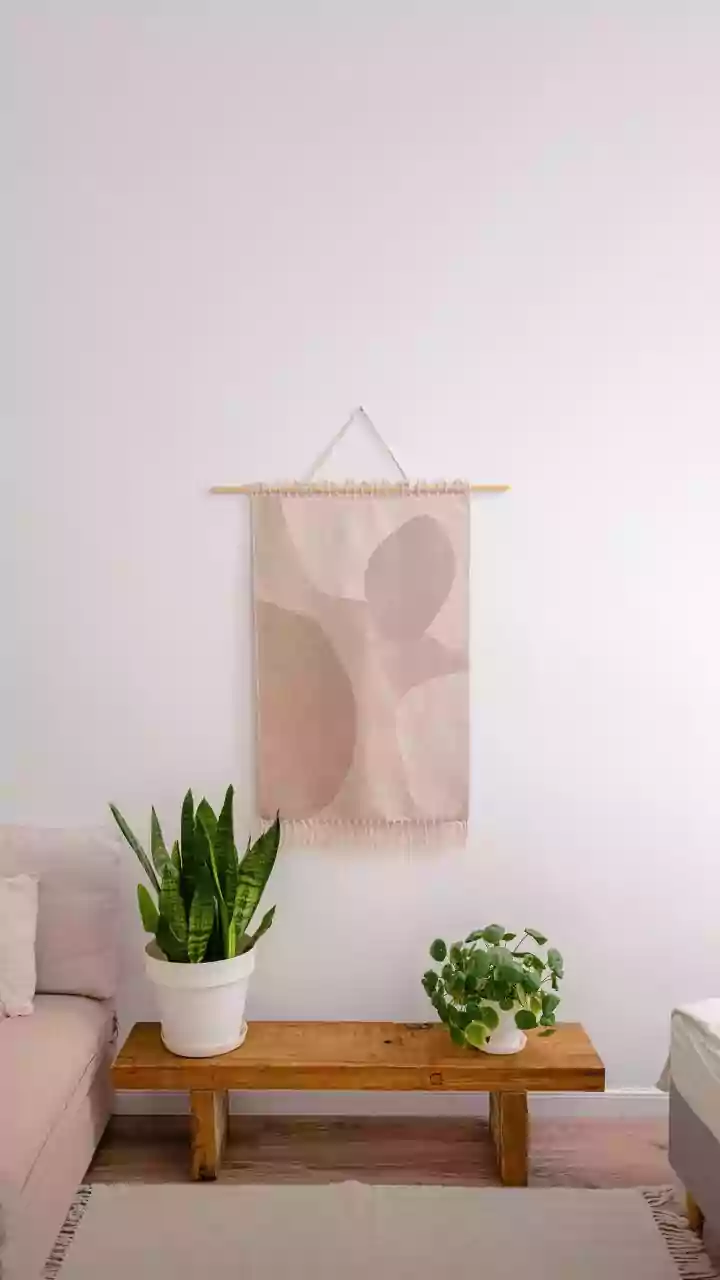
Many people are discouraged by a lack of bright windows, but plenty of plants are perfectly happy in lower light. The Snake Plant (Sansevieria) is nearly indestructible, tolerating neglect and low light with ease. It’s a great choice for beginners or dim hallways. Similarly, the Zamioculcas zamiifolia, or ZZ Plant, is famously resilient. Its glossy leaves look elegant, and it can go for weeks without water, making it perfect for frequent travellers or forgetful owners. The humble Pothos (or Money Plant) is another classic for a reason. It's adaptable, can handle low to medium light, and its trailing vines look beautiful draped over a bookshelf.
For the Forgetful Waterer
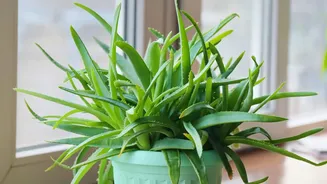
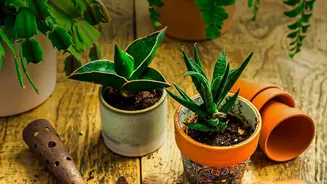
If your watering schedule is best described as 'occasionally', you need a plant that thrives on neglect. The Snake Plant and ZZ Plant are top contenders here as well, as they are highly drought-tolerant. Succulents, like the popular Jade Plant or Aloe Vera, are also excellent choices for sunny spots. These plants store water in their leaves and stems, so they prefer their soil to dry out completely between waterings. In fact, the most common way to kill them is by overwatering. A Pothos will also forgive an inconsistent watering schedule, often drooping dramatically to let you know it's thirsty and bouncing back quickly once you give it a drink.
For Homes with Bright Light
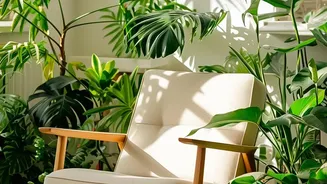
If you are blessed with sunny windows, your options expand significantly. A Rubber Plant (Ficus elastica) is an easy-going choice that enjoys bright, indirect light and can grow into a small, impressive tree. The Monstera, also known as the Swiss Cheese Plant, is a popular statement piece that loves a bright spot away from direct sun, which can scorch its iconic leaves. For a splash of colour, consider a Croton, which boasts vibrant leaves but requires consistent light to maintain its hues. Spider Plants are also great options that do well in bright, indirect light and have the added bonus of producing 'babies' that can be easily replanted.
Check for Health Before Buying
Finally, when you're at the nursery, a quick inspection can save you future trouble. Avoid plants with lots of yellowing leaves, which can be a sign of overwatering or other stress. Gently check the leaves (including the undersides) and stems for any signs of pests, like small insects or sticky residue. Also, take a peek at the roots if you can. Healthy roots are typically white or tan and firm; brown, mushy, or bad-smelling roots are a major red flag for root rot. Choosing a healthy plant from the start gives you the best possible chance of success at home.