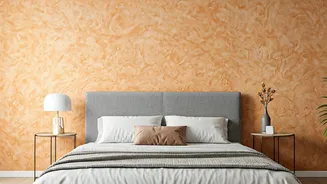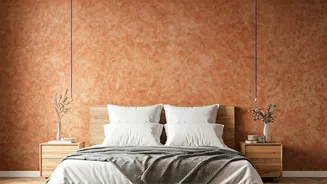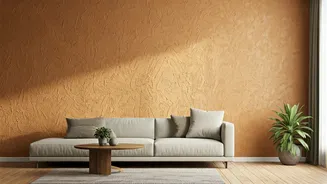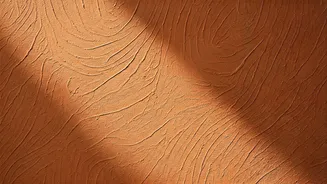






What Exactly Is a Clay Wash?
Forget what you know about standard acrylic paints. A clay wash, often grouped with similar finishes like limewash or mineral paints, isn't just a colour—it's a texture. It’s a natural, breathable finish made from clay, pigments, and other minerals. Unlike
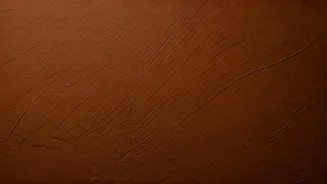
regular paint that forms a plastic-like film on your walls, a clay wash penetrates the surface, bonding with it to create a unique, chalky-matte finish with subtle variations in tone and texture. The result is a surface that looks soft, velvety, and alive with movement. It interacts with light beautifully, creating a gentle play of shadows that makes a room feel deeper and more soulful. This isn't about achieving a perfect, uniform look; it's about celebrating natural imperfection.
The Allure of Imperfect Texture
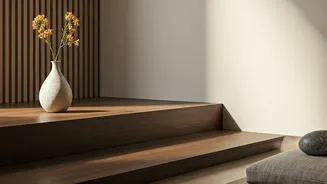
So, why the sudden shift away from the perfectly patterned feature wall? The trend towards clay washes is deeply connected to the larger wellness and biophilic design movements. In a world of digital noise and constant stimulation, we’re craving homes that feel like a peaceful retreat. The earthy, organic nature of a clay finish taps directly into this desire. It evokes the feeling of ancient structures, Mediterranean villas, or rustic farmhouses. This aesthetic, often associated with ‘wabi-sabi’—the Japanese art of finding beauty in imperfection—encourages a sense of calm and grounding. While a bold floral wallpaper shouts for attention, a clay-washed wall whispers. It creates a serene backdrop that complements natural materials like wood, linen, and jute, allowing your space to feel cohesive and tranquil.
Clay Wash vs. Traditional Wallpaper
While the headline makes a bold claim, it’s less about a hostile takeover and more about a compelling new alternative. Let’s compare. Wallpaper offers an infinite variety of patterns and colours, allowing you to make a dramatic statement instantly. It can be a work of art in itself. However, it can also be difficult to apply and even harder to remove. Some vinyl-coated wallpapers can also trap moisture, which isn't ideal for India's humid climates.
Clay washes, on the other hand, are champions of breathability. Because they are vapour-permeable, they allow moisture to pass through the wall, helping to regulate humidity and resist mould and mildew. They are also typically zero-VOC (Volatile Organic Compounds), making them a healthier choice for indoor air quality. The downside? Application requires a bit more artistry than a simple roller job, and the final look is subtle, not bold. The choice comes down to the feeling you want to create: the decorative drama of wallpaper or the organic serenity of clay.
More Than Just Terracotta
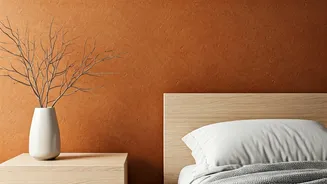
The word ‘terracotta’ might bring to mind a single, reddish-brown hue, but the world of clay and mineral finishes is vast. While warm, earthy tones like burnt sienna, ochre, and terracotta are incredibly popular for creating a cosy, sun-baked vibe, the palette is much broader. Think of soft sage greens, deep charcoals, calming greys, and muted beiges. These colours maintain that signature earthy, mineral quality while adapting to different styles. A soft, sandy beige can create a minimalist, coastal feel, while a dark, moody grey can lend a sophisticated, contemporary edge to a bedroom. This versatility is key to its growing appeal; it provides texture and depth without locking you into a single colour scheme.
How to Bring This Look Home
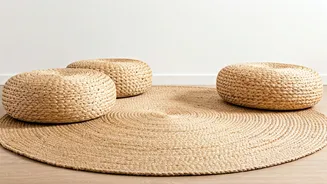
Intrigued? Bringing this look into your own bedroom is achievable. Several brands in India now offer pre-mixed limewash and mineral paints. For a true clay plaster finish, it’s often best to hire a professional, as the application is a specialised skill. If you decide to DIY with a limewash or clay-based paint, remember that the technique is key. It involves applying the paint with a special brush in broad, overlapping, cloud-like strokes to create that signature movement. Don't aim for perfect coverage on the first coat. The beauty lies in the layering and inconsistency. To complete the look, pair your textured walls with furniture and decor made from natural materials: a rattan headboard, linen curtains, a jute rug, and simple wooden side tables. The goal is to build a layered, tactile environment that feels both curated and effortlessly natural.