







Why Visit Hampi in the Monsoon?
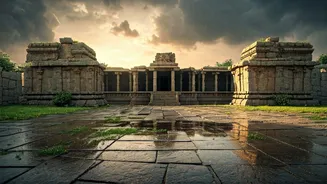
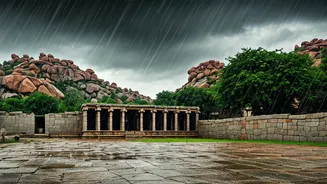
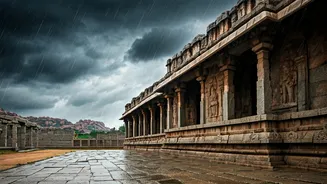
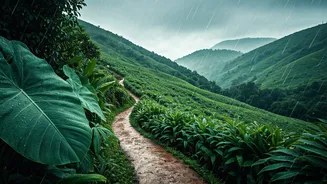
While winter is traditionally peak season, visiting Hampi between July and September offers a unique charm. The monsoon washes the dust away, revealing the rich textures and colours of the granite ruins. [8] The landscape, usually a palette of ochre and brown,
transforms into a vibrant green paradise, creating a stunning contrast with the grey stone monuments. [2] The rains also bring fewer crowds, allowing for a more serene and personal exploration of this UNESCO World Heritage Site. [2] The dramatic, cloud-filled skies serve as a breathtaking backdrop for photography, and the scent of wet earth mixed with ancient history creates an unforgettable sensory experience. [8, 10]
The Spectacle of Rain-Washed Ruins
The rain enhances the spiritual and architectural grandeur of Hampi's famous sites. At the Virupaksha Temple, one of India’s oldest functioning temples, the sound of rain on the stone courtyards adds to the sacred ambiance. [2, 16] The iconic Stone Chariot at the Vittala Temple complex glistens magnificently when wet, its intricate carvings appearing sharper and more defined. [8] The musical pillars of the temple seem to resonate with the rhythm of the downpour. [18] Other structures like the Queen’s Bath, with its ornate Indo-Islamic architecture, and the Elephant Stables take on a moody, reflective quality, their surfaces mirroring the dramatic monsoon clouds. [15, 17]
Must-See Monsoon Vistas
The monsoon is the perfect time to trek up Hampi’s famous hills for panoramic views, though caution is advised on slippery paths. [2, 5] Hemakuta Hill, dotted with pre-Vijayanagara era temples, offers stunning views of the Virupaksha temple complex against a lush, rain-soaked landscape. [2, 16] Puddles on the rocky terrain create perfect reflections of the sky and ancient structures. [8] For the more adventurous, a careful trek up Matanga Hill rewards you with a sweeping vista of the entire area, including the flowing Tungabhadra River and the sprawling green paddy fields that replace the usual dry plains. [3, 19] The view from the top, with mist clinging to the boulders, is truly a sight to behold.
Navigating Hampi in the Rain
Getting around Hampi during the monsoon requires some planning. While renting a scooter is an option for exploring the paddy fields and villages, the roads can be slippery. [3] Auto-rickshaws are a reliable way to travel between major sites. It’s wise to start your sightseeing early, as rains often become heavier in the afternoons. [2] Be aware that heavy rains can cause the Tungabhadra River to swell, sometimes affecting the coracle rides and ferry services to Anegundi (the 'hippie island' side). [5, 6] Always wear sturdy footwear with good grip, as the ancient stone paths become slick when wet. [3]
Essential Packing and Stay
Packing for a monsoon trip to Hampi is key. A lightweight raincoat or umbrella is non-negotiable. Choose waterproof footwear to navigate muddy paths and puddles comfortably. Mosquito repellent is also a must, as the wet conditions can lead to an increase in insects. For accommodation, you can choose from heritage resorts in Kamalapura, hotels in nearby Hospet, or guesthouses with views of the paddy fields. [2] Booking a cosy stay can be a great way to enjoy a hot meal and relax while watching the rain fall on this ancient, mystical land. [3]