

Understanding the Price Surge
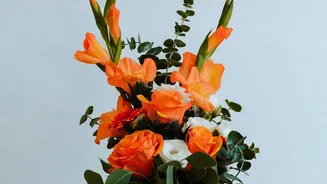
This year, the cost of festive flowers has shot up across Kerala. A combination of factors, including poor rainfall and water scarcity in key growing regions in neighbouring states like Tamil Nadu and Karnataka, has led to reduced yields and supply chain
issues. This means popular flowers like marigolds, jasmine, and roses are significantly more expensive. As demand peaks closer to Thiruvonam, traders anticipate that prices could climb even higher, making budget-conscious celebrations a priority for many families and communities.
Embrace Local and Foraged Flowers
Traditionally, pookalams were made with flowers sourced directly from one's own garden and local surroundings. This Onam, reviving that tradition is both authentic and economical. Instead of relying solely on market-bought flowers, explore your backyard or neighbourhood for hibiscus (chemparathy), ixora (chethi), Ceylon slitwort (thumba), and lantana (konginipoo). These locally available blooms add a unique, rustic charm to your design and significantly cut down costs, all while reducing the carbon footprint associated with transporting flowers from other states.
Go Green with an Array of Leaves
A pookalam doesn't have to be made exclusively of petals. Incorporating various types of leaves can create stunning textures and add volume to your design. Use the different shades of green from mango leaves, basil (tulsi), or other ornamental plants to form borders or fill larger sections. Dried and fallen leaves can also be used to add earthy tones of brown and yellow. This approach not only makes your pookalam fuller with fewer flowers but also adds a layer of natural, eco-friendly beauty to your festive decor.
Get Creative with Kitchen Ingredients
Your kitchen pantry can be a treasure trove of pookalam materials. Coloured rice, lentils, and pulses can be used to create intricate patterns and vibrant sections in your design. Use turmeric powder for a brilliant yellow, chilli powder for a deep red, and white rice flour to draw sharp outlines or create white spaces. These materials are not only affordable but also fully biodegradable, making your celebration both beautiful and sustainable. They offer a neat, textured look that can complement the softness of flower petals.
Opt for Minimalist and Geometric Designs
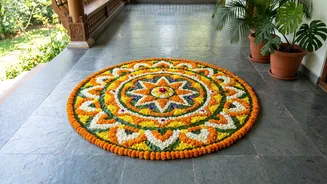
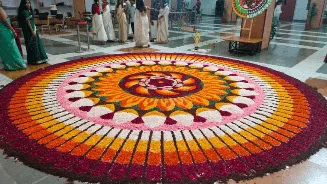
A grand pookalam doesn't necessarily mean a large or dense one. This year, consider minimalist designs that focus on clean lines and smart use of space. Simple geometric patterns, mandalas, or concentric circles require fewer flowers but can look incredibly elegant and modern. A classic round pookalam with two or three rings of contrasting colours can be just as striking as a more complex one. Focusing on symmetry and a well-defined shape allows you to create a beautiful arrangement without needing kilograms of expensive petals.
Use Cheaper Flowers Strategically
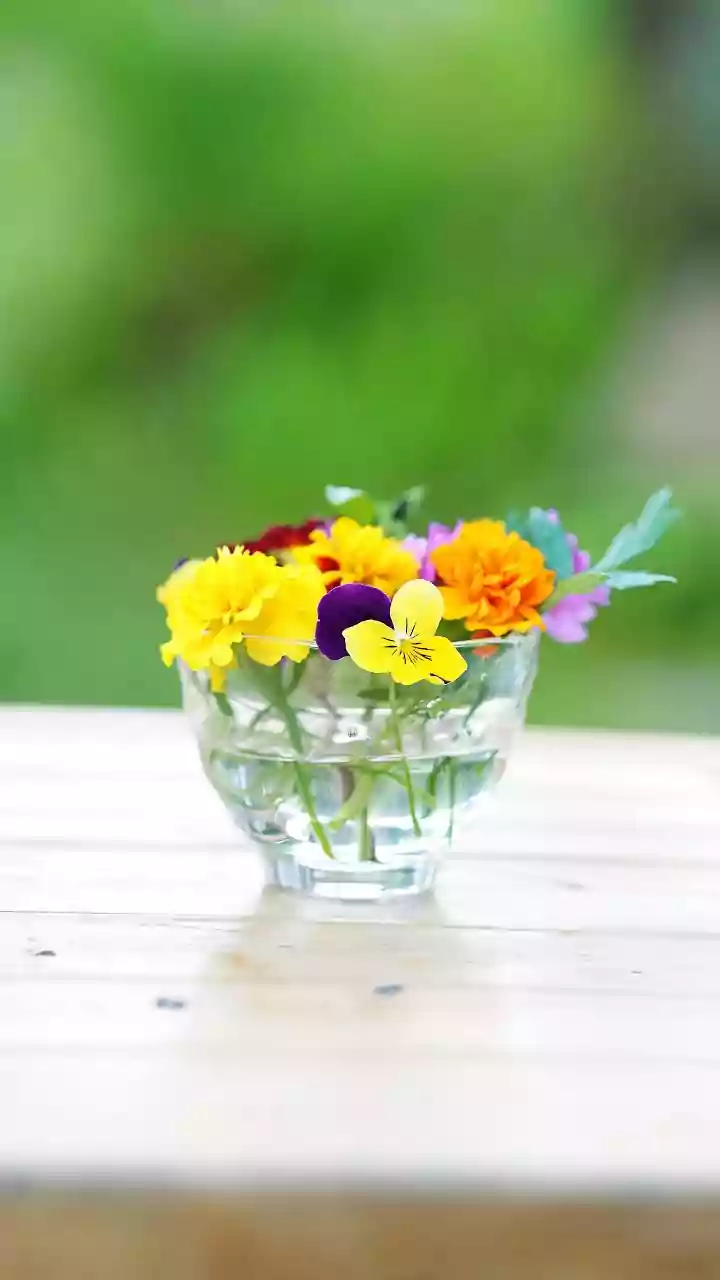
While some flowers are soaring in price, others like marigolds (jamanthi) and globe amaranths (vadamalli) often remain relatively affordable. Make these budget-friendly flowers the heroes of your pookalam. Use vibrant orange and yellow marigolds to fill large areas, as their dense petals provide excellent coverage. Globe amaranths are sturdy and can be used to create distinct outlines or textured dots within your pattern. By using these less expensive flowers for the bulk of your design, you can save the pricier blooms for central, high-impact spots.
Pool Resources with Community Pookalams
Onam is a festival of togetherness, and that spirit can extend to your pookalam. Instead of each family making a separate, large floral carpet, consider pooling resources with your neighbours or within your apartment complex. By sharing the cost and effort, you can create a single, magnificent pookalam for everyone to enjoy. This not only makes the celebration more affordable but also strengthens community bonds and brings everyone together in the creative process, which is the true essence of the festival.