





Combat Dampness and Humidity
High humidity is the root of most monsoon problems in a small flat. The key is consistent ventilation and moisture absorption. Whenever the rain stops, open windows and doors to encourage cross-ventilation and let fresh air circulate. [7] For enclosed
spaces like wardrobes and cabinets, which are prone to musty smells, natural moisture absorbers are a saviour. Small bowls of rock salt or charcoal briquettes can be placed in corners to absorb excess moisture from the air. [7] You can also reuse silica gel packets from new shoes or electronics by placing them in drawers and storage boxes. [9] For a more active approach, running an exhaust fan in the kitchen and bathroom helps pull damp air out. [5] If possible, keep furniture a few inches away from walls to prevent moisture from getting trapped and leading to mould. [4, 17]
Win the War on Mould and Mildew
Mould and mildew thrive in damp, dark environments. Daily vigilance is your best defence. After showers, wipe down bathroom walls and floors to remove excess water. [13] Pay close attention to corners, under sinks, and behind furniture. If you spot any fuzzy green or black patches, tackle them immediately. A simple solution of white vinegar and water can be used to wipe down affected non-porous surfaces. For wooden furniture, regular dusting with a dry cloth is crucial. [13, 15] Avoid using a wet cloth for cleaning wooden surfaces as it can worsen the swelling. [17] Check inside your closets regularly and don't store damp clothes inside, as this creates a perfect breeding ground for fungus. [13, 18]
Master the Indoor Laundry Challenge
Drying clothes indoors is a major challenge in small homes. The trick is to remove as much water as possible before hanging them to dry. Use an extra spin cycle on your washing machine to wring out excess water. [16, 24] When hanging clothes, space them out on a drying rack instead of crowding them together; good airflow is more important than heat. [21] Placing the rack under a ceiling fan or directing a table fan towards it can significantly speed up drying time. [21, 25] To combat musty smells that can develop, adding a small amount of white vinegar to the final rinse cycle helps kill odour-causing bacteria. [21] If you have a dehumidifier, running it in the room where clothes are drying will make a huge difference. [11, 16]
Keep Unwanted Pests at Bay
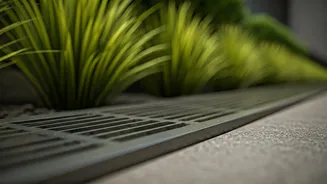
The monsoon is peak season for pests like mosquitoes, ants, and cockroaches seeking shelter from the rain. Start by eliminating their entry points. Seal any cracks or gaps around windows, doors, and pipes. [2] Ensure your drains are clean and unclogged to prevent them from becoming breeding grounds. [17, 22] Proper waste management is also key; use bins with lids and dispose of garbage regularly. [2, 19] Natural repellents can be very effective. Burning camphor or placing it in bowls of water can deter mosquitoes. [6] A spray made from boiled garlic water or diluted essential oils like peppermint, lavender, or eucalyptus can be used in corners and near dustbins to repel various insects. [2, 10]
Protect Floors and Furnishings
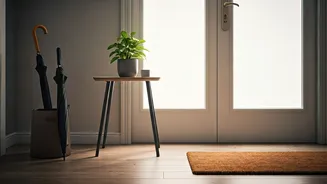
Muddy footprints and dampness can quickly ruin floors and furnishings. Place highly absorbent coir doormats at your entrance to trap dirt and water. [9] It's also wise to have a designated spot near the door with an umbrella stand and a rack for wet shoes to prevent water from being tracked through the house. [3, 9] During this season, it’s best to roll up and store expensive carpets and rugs, as they absorb moisture and can develop mould and a foul smell. [4, 9] Opt for bare floors that are easy to mop daily. [19] When mopping, use a disinfectant to keep germs at bay. Be sure to wipe down any water spills on the floor immediately to avoid slips and prevent moisture from seeping into tiles or floorboards. [19]