



From Manicured to Meaningful
The classic urban garden often features a few carefully chosen, beautiful plants. It’s a start, but thinking beyond pure aesthetics opens up a world of possibilities. A modern city garden can be a miniature ecosystem, a source of fresh food, and a vital
sanctuary for urban wildlife. This shift involves moving from seeing plants as individual objects to viewing your garden—no matter how small—as a connected system. It's about creating a space that doesn’t just look good, but actively does good by fostering biodiversity and sustainability in our concrete jungles. Research shows urban farms and gardens provide up to 20% of our food supply and are essential for addressing food inequality.
Become a Haven for Helpers
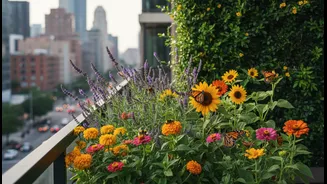
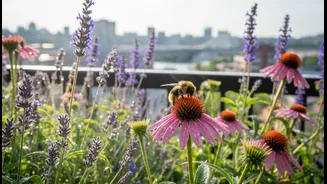
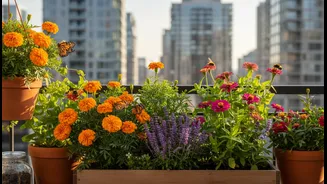
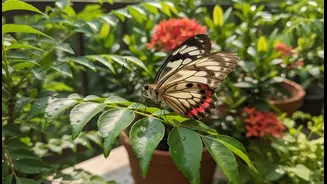
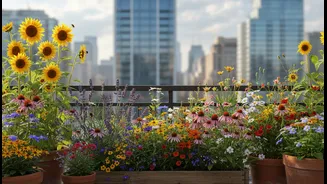
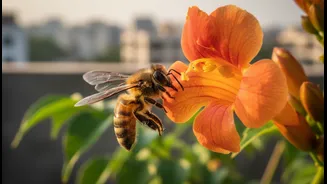
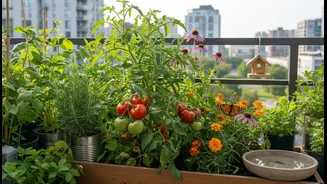
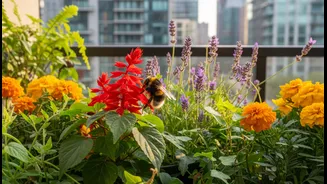
One of the most impactful shifts is to plant for pollinators. Bees, butterflies, and other insects are crucial for healthy ecosystems, but their habitats are shrinking. By choosing nectar-rich flowers, you can turn your balcony into a crucial refueling station. Opt for a variety of native flowers with different colours and shapes to attract a wide range of visitors. Plants like marigolds, cosmos, and lavender are excellent choices and thrive in pots. Remember to provide a shallow dish of water with pebbles for insects to drink from safely, and avoid pesticides at all costs, as they can be harmful to these essential creatures. Creating a pollinator-friendly garden is a simple way to support local biodiversity.
Your Balcony, Your Grocer
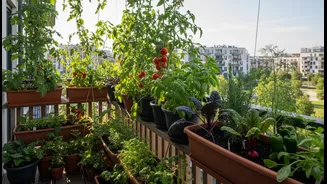
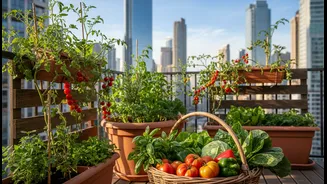
There's a unique satisfaction in harvesting something you’ve grown yourself. Edible gardening is entirely possible, even in the smallest urban spaces. Start with high-value, low-space herbs like tulsi, mint, rosemary, and curry leaves, which can be grown in small pots on a windowsill. Leafy greens such as spinach and lettuce, or quick-growing vegetables like radishes and cherry tomatoes, are also great candidates for container gardening. For those with more ambitious goals, dwarf fruit trees, such as certain citrus varieties, can thrive in large pots. The key is to select compact or “patio” varieties designed for smaller spaces.
Think Up, Not Just Out
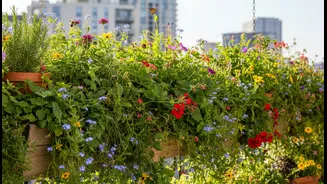
When ground space is limited, the only way to go is up. Vertical gardening is a game-changer for urban growers, allowing you to maximise your wall and railing space. This can be as simple as using trellises for climbing plants like beans and cucumbers or installing tiered or wall-mounted planters. Hanging baskets are perfect for trailing plants and herbs, freeing up floor space. These systems not only let you grow more but also create a stunning wall of green that can improve air quality and provide a sense of natural enclosure.
Create a Miniature Ecosystem
A truly sustainable garden functions like a closed-loop system. Instead of buying fertilisers, you can create your own nutrient-rich compost from kitchen scraps. Rather than just watering plants, you can implement water-saving techniques like using self-watering containers or mulching with coconut husks to prevent evaporation. Companion planting—placing certain plants together to deter pests or improve growth—is another smart strategy. For example, planting marigolds among your vegetables can help repel certain pests naturally. These practices reduce waste, conserve resources, and create a healthier, more resilient garden that requires less intervention over time.
From Private Oasis to Public Good
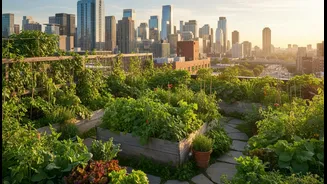
Your gardening efforts don't have to stop at your own balcony. Many Indian cities are seeing a rise in community gardening initiatives, where residents come together to cultivate shared spaces like rooftops or unused plots. These projects foster a sense of community, provide access to fresh produce, and help cool down neighbourhoods affected by the urban heat island effect. Getting involved in or even starting a community garden can amplify the positive impact of your green thumb, contributing to a more resilient and connected city.