




The Name and the Novel
Unlike monikers that evolve over centuries, Kolkata’s most famous nickname is relatively modern. It was popularised by French author Dominique Lapierre's 1985 novel, 'La Cité de la joie', published in English as 'The City of Joy'. The book, which became
a global bestseller and was adapted into a film in 1992, tells the story of a Polish priest, an American doctor, and an Indian rickshaw puller whose lives intersect in the slums of Calcutta (as the city was then known). Lapierre’s narrative focused on the resilience, humanity, and spirit of the city's most impoverished residents, who found reasons for hope and celebration amidst extreme hardship.
A Complicated Legacy
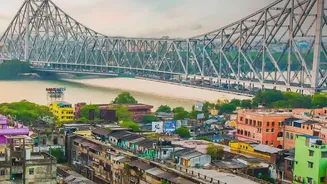
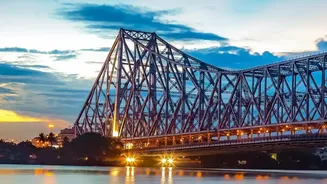
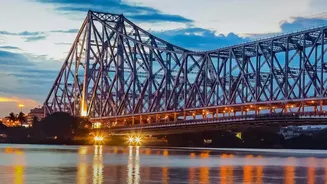
Interestingly, the 'City of Joy' in the novel is a direct translation of 'Anand Nagar', the name the inhabitants gave to their own slum. This slum was technically in Pilkhana, Howrah, a separate city across the Hooghly River, not Kolkata proper. While the name became a worldwide slogan for the city, its reception in Kolkata was complex. Many residents felt the title unfairly romanticised poverty and overlooked the city's immense intellectual and cultural wealth. For a place long considered the 'Cultural Capital of India', a nickname born from a depiction of its slums felt limiting and, to some, patronising.
The Joy of Public Life
So, where does a visitor find this 'joy'? It exists not in spite of the city's challenges, but woven through its very fabric. The most potent expression of this is 'adda', a unique Bengali tradition of long, freewheeling conversations. Happening everywhere from historic institutions like the Indian Coffee House to simple roadside tea stalls, adda is a democratic exchange of ideas on politics, poetry, football, and philosophy. It's an intellectual and social lifeblood where wit and passion matter more than status, embodying a collective spirit of engagement and community.
A City of Festivals and Palaces
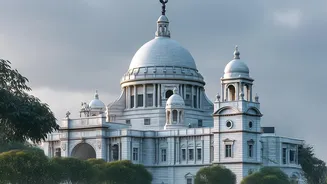
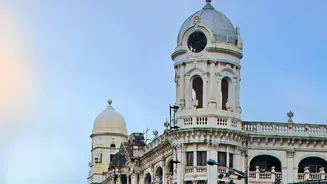
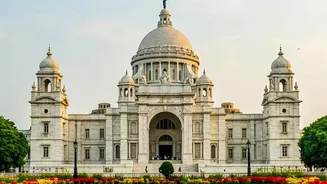
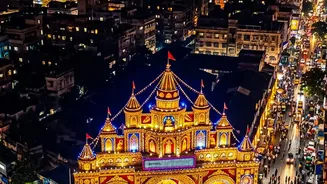
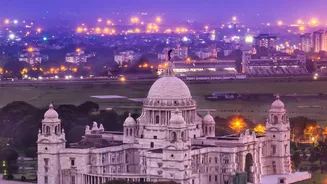
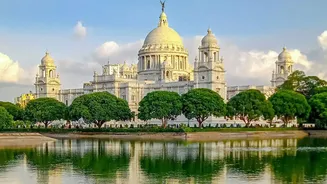
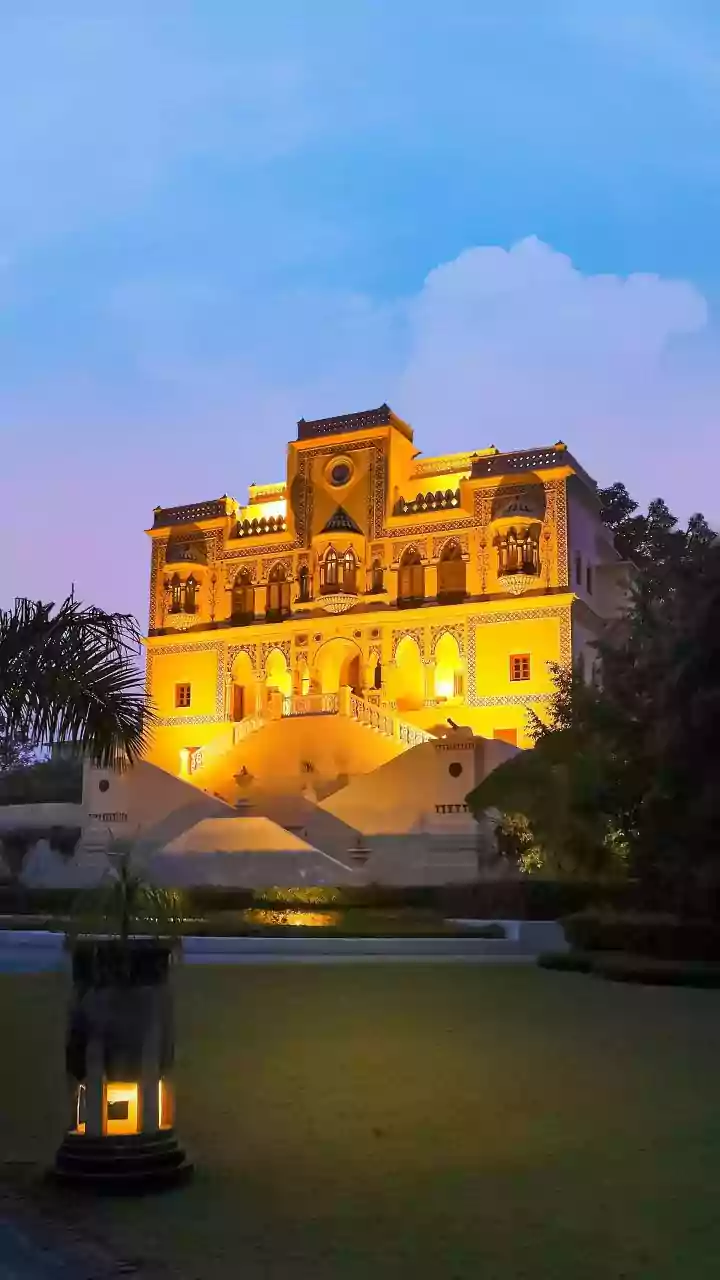
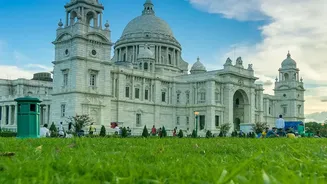
Kolkata’s joy is most visible during Durga Puja, a ten-day festival that transforms the city into a massive, open-air art gallery. The celebration, recognized by UNESCO as an Intangible Cultural Heritage of Humanity, sees entire neighbourhoods erect elaborate temporary temples (pandals) and is a stunning display of community, art, and devotion. This festive spirit contrasts sharply with the images of poverty, reminding visitors of the city's other nicknames, like the 'City of Palaces'. The grand colonial architecture, from the Victoria Memorial to the Marble Palace, speaks of a different era, one of immense wealth and power when Calcutta was the capital of British India.
Seeing the City with New Eyes
For a traveller, understanding the origin of 'City of Joy' provides a powerful lens through which to view Kolkata. The nickname is not a simple tourist-friendly label. It is a starting point for a deeper conversation about the city's identity. It asks you to look beyond the surface, to see the resilience celebrated in Lapierre’s book, to appreciate the intellectual spark of an adda, and to feel the collective exuberance of Durga Puja. It encourages you to hold the city's contradictions—its palatial grandeur and its persistent poverty, its intellectual pride and its raw struggles—all at once.