
For millions across India, the day begins with a warm, comforting bowl of upma. This simple semolina dish is a breakfast staple for a reason: it's quick, filling, and endlessly adaptable. But beyond the basic recipe, a world of regional variations exists.
The Classic Rava Upma
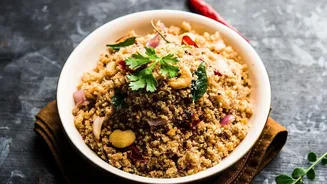
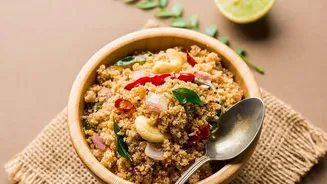
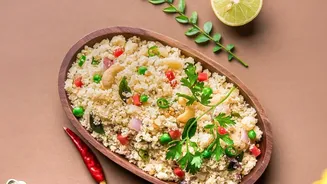
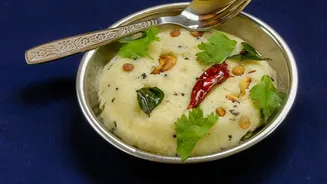
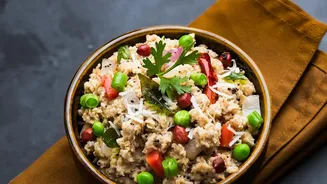
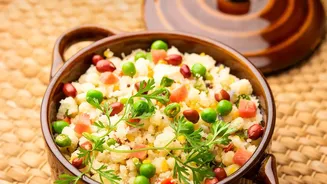
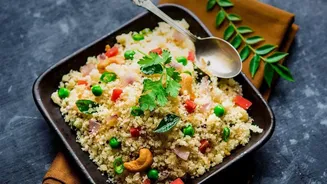
Before diving into regional specialities, it’s worth appreciating the classic rava upma that forms the foundation for so many variations. Made from dry-roasted semolina (rava or sooji), it’s a savoury porridge brought to life with a simple tempering of mustard seeds, curry leaves, urad dal, and chana dal. Onions, ginger, and green chillies provide a base layer of flavour. Often, a handful of vegetables like carrots and peas are added for extra nutrition and texture. The final dish is soft, fluffy, and satisfying without being heavy, making it the quintessential breakfast for those on the go.
Karnataka’s Flavourful Khara Bath
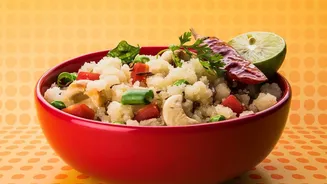
Travel to Karnataka, and you'll find that upma has a spicier, more aromatic cousin: Khara Bath. While it shares the same semolina base, Khara Bath sets itself apart with the addition of a special spice blend, often a Vangi Bath or a similar masala powder. This powder, a mix of roasted lentils and spices like coriander, cinnamon, and cloves, gives the dish its signature flavour and a beautiful yellow-orange hue. Typically loaded with more vegetables like tomatoes, capsicum, and beans, Khara Bath is richer and more complex than its simpler counterpart. It is famously served as one half of 'Chow Chow Bath', a popular breakfast platter where it's paired with its sweet sibling, Kesari Bath.
Maharashtra’s Comforting Sanja
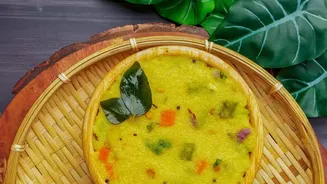
In Maharashtra, upma is often known as Sanja or Tikhta Sanja. This version is distinguished by the inclusion of turmeric, which imparts a warm, golden colour. The preparation is similar to the classic upma, involving roasted rava and a tempering of mustard seeds, cumin, and green chillies. A key difference in many Maharashtrian households is the addition of peanuts for crunch and, sometimes, a hint of sugar to balance the flavours. Some variations also use buttermilk along with water as the cooking liquid, giving the Sanja a subtle, pleasant tanginess. It’s a truly comforting dish, often served simply without many vegetables, allowing the flavours of the tempering and turmeric to shine.
Tamil Nadu’s Hearty Arisi Upma
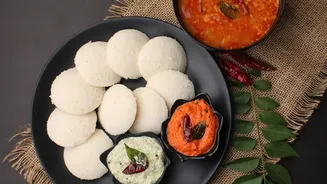
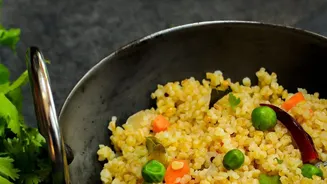
Moving further south to Tamil Nadu, the very foundation of upma changes. Here, you will find Arisi Upma, which translates to 'Rice Upma'. Instead of semolina, this traditional dish is made from coarsely ground raw rice, often combined with toor dal (split pigeon peas). The rice and dal are pulsed in a mixer to a rava-like consistency, sometimes along with whole peppercorns and cumin seeds. This mixture is then cooked in boiling water with a standard tempering. The result is a heartier, more substantial dish with a texture that's less porridge-like and more akin to a savoury broken-rice pilaf. It's a gluten-free variation that is especially popular on fasting days and is often served with coconut chutney.
Modern and Creative Variations
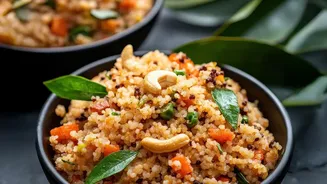
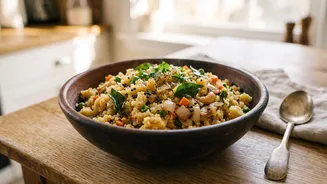
The versatility of upma doesn't stop at regional borders. Its fundamental technique lends itself to a wide array of ingredients. Semiya (vermicelli) upma is a popular alternative, where thin wheat noodles replace the rava for a completely different texture. Bread upma is a fantastic way to use up stale bread, which is crumbled and sautéed with onions, tomatoes, and spices. Other healthy twists include versions made with oats, broken wheat (dalia), millets, and even quinoa, each offering a unique flavour profile and nutritional boost.