

The Paths of Gods and Mortals
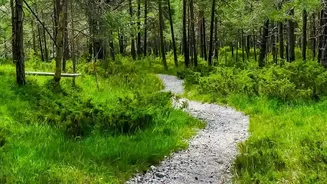
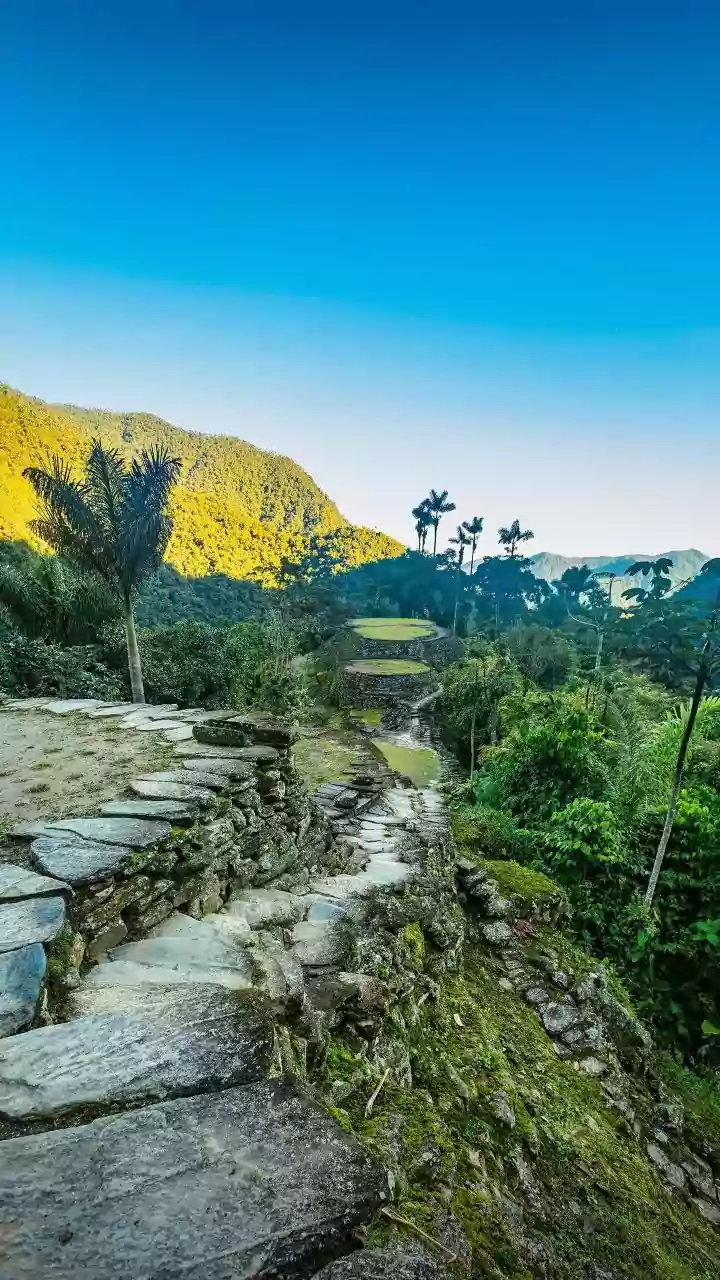
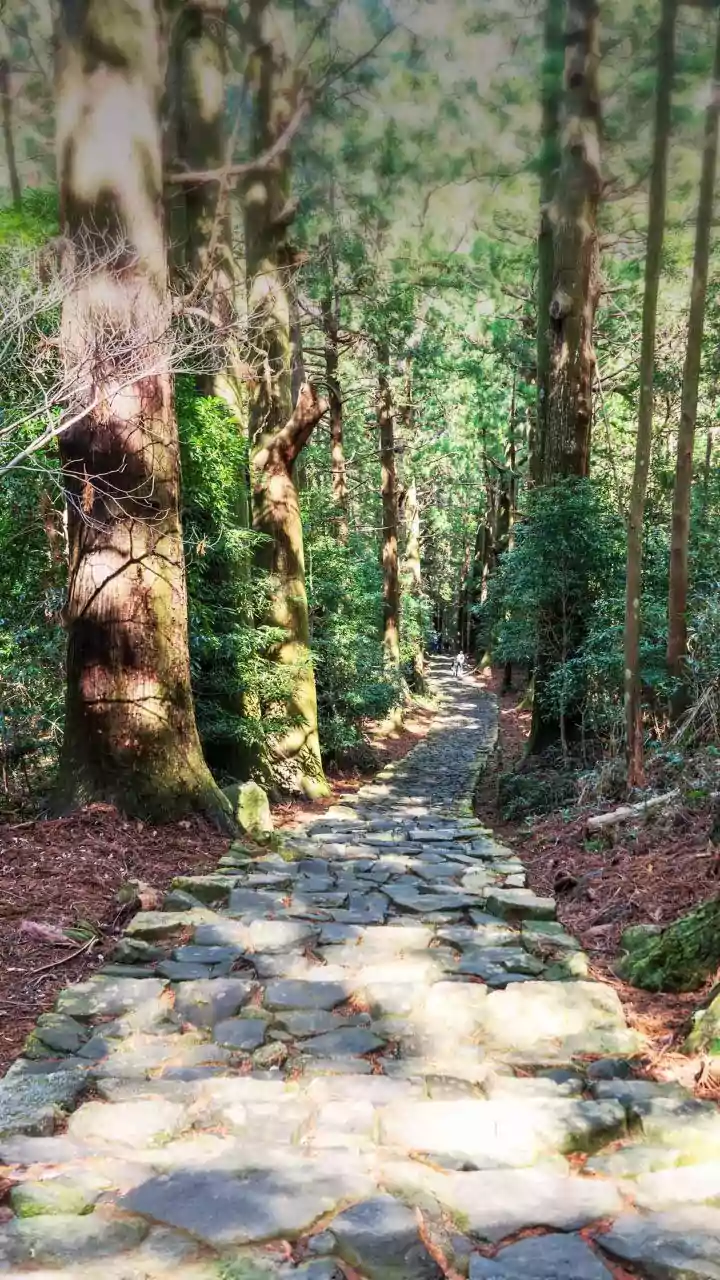
Long before asphalt roads carved their way through the mountains, a network of stone-paved paths known as 'kalderimia' connected Greece. These weren't leisure trails but essential arteries of life. Typically about two metres wide—enough for two laden
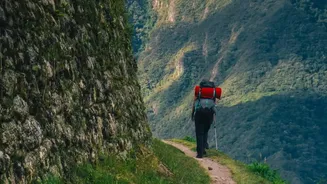
mules to pass—they linked remote villages, high-altitude pastures, and secluded monasteries. From the Pindus Mountains to the islands of the Aegean, these paths were the backbone of rural society, traversed for centuries by farmers, traders, and priests. Today, hiking these routes, like the UNESCO-recognised trails in Zagorohoria or the Ursa Trail in Metsovo, offers a tangible connection to this past. Every stone and switchback tells a story of a time when the journey was defined by the landscape itself, not by the efficiency of a motor vehicle.
The Modern Challenge of Access
While the romance of these ancient paths is undeniable, their accessibility is not always guaranteed. Decades of neglect following the construction of modern roads left many kalderimia to be reclaimed by nature, overgrown with thorny bushes and blocked by fallen trees. Access today often depends on the efforts of local municipalities and dedicated volunteer groups who undertake the arduous work of clearing, maintaining, and signposting the trails. Some routes, like the Menalon Trail in the Peloponnese, have achieved international certification from the European Ramblers' Association for their excellent maintenance, clear signage, and safety, becoming models of sustainable tourism. However, many other paths remain a challenge. Just because a trail appears on a map doesn't mean it's safely passable. Hikers can encounter missing signs, overgrown sections, and unstable footing, turning a scenic walk into a hazardous undertaking without proper local knowledge.
A Climate of Extremes
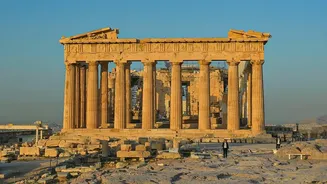
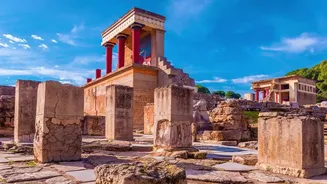
Layered on top of access issues is the growing impact of weather. Greece is on the frontline of the climate crisis, experiencing hotter, longer summers and more erratic weather patterns. Unseasonably early and intense heatwaves, with temperatures soaring above 40°C, have made hiking during midday hours in summer exceptionally dangerous, leading to tragic deaths from heat exhaustion and stroke. Authorities are often forced to close major archaeological sites during peak heat for safety. Beyond the heat, the risk of wildfires has increased, posing a significant threat to forest ecosystems and the trails that run through them. The shoulder seasons are not without risk either, with the potential for heavy rains and flash floods. This new climate reality means that timing a hike is more critical than ever.
Walking Wisely in Ancient Lands
Successfully navigating Greece’s ancient trails requires a blend of historical appreciation and modern pragmatism. The two primary challenges—access and weather—are deeply intertwined. A poorly maintained trail becomes infinitely more dangerous during a sudden downpour or an unexpected heatwave. Therefore, preparation is paramount. Before setting out, hikers should research their route extensively, using resources from certified trail organisations like the Menalon or Ursa trails where possible. Heeding local advice on trail conditions is non-negotiable. Treks should be planned for the cooler morning hours, and hikers must carry ample water, wear appropriate clothing, and never underestimate the terrain. Venturing off marked paths is ill-advised, as many old, disused trails can lead to confusion and danger. By taking these precautions, walkers can safely enjoy the profound beauty of these historic routes.