

Find Your Foundation
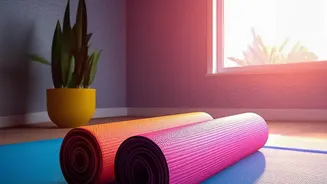
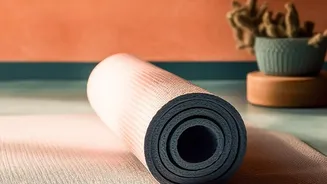
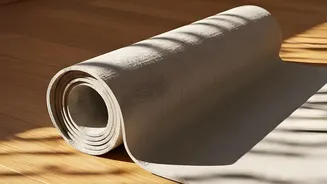
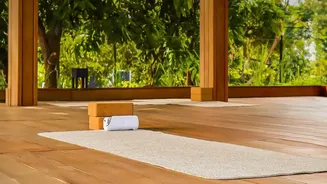
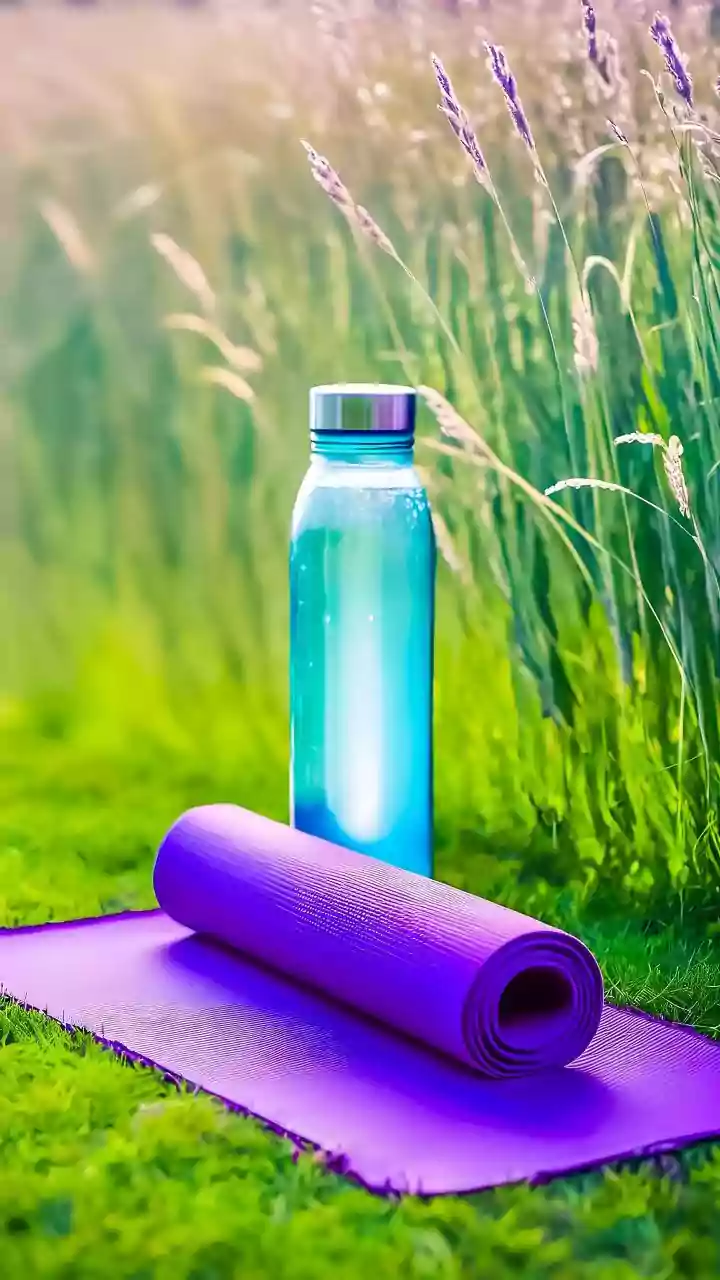
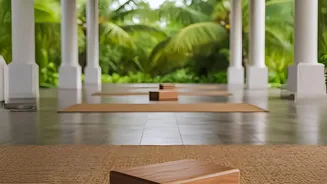
A yoga mat provides grip and cushioning, but it isn't the only option. A non-slip rug or even a carpeted area can work perfectly as a foundation for your practice. If you need extra padding for your knees or spine, a folded bath towel can provide soft
support. The key is to find a surface where you feel stable and comfortable, allowing you to move without slipping. For practices like yin or restorative yoga, a soft surface might even be preferable. The goal is consistency, and using a space you already have removes a key barrier to starting.
DIY Blocks for Support
Yoga blocks are used to 'bring the ground closer' and support proper alignment, but a sturdy stack of books can do the same job. Grab a few thick, hardcover books and stack them to your desired height. You can wrap them with an elastic band or string to keep them secure. These can support your hands in standing poses like Triangle Pose or provide a lift for seated positions. For a softer option, tightly folded towels can also serve as makeshift blocks, especially under knees or hips for added comfort in restorative poses.
Create a Makeshift Bolster
A bolster offers firm support in restorative poses, but they can be expensive and bulky. You can create your own by tightly rolling two or three thick bath towels or blankets together. Secure the roll with a belt or a couple of fabric ties. Alternatively, a firm couch cushion or a few sturdy pillows can provide similar support under your knees in Savasana or along your spine for a gentle heart-opening pose. This homemade version is adjustable and allows your body to relax and release more deeply into a pose.
An Improvised Yoga Strap
A yoga strap helps you deepen stretches and improve flexibility, but many common household items can fill this role. The sash from a bathrobe, a long scarf, or a sturdy belt can work perfectly. These items allow you to gently pull your limbs into a deeper stretch without straining, such as extending your reach in a seated forward fold. The length and non-stretch quality of a belt make it an excellent substitute for achieving better form and alignment.
Define Your Sanctuary
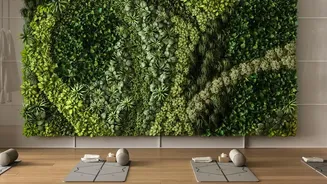
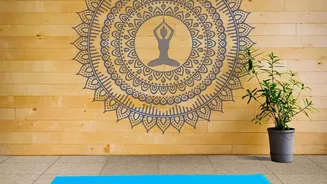
The most crucial step is to designate a specific area for your practice. It doesn't need to be an entire room; a small, quiet corner will do. The first step to creating a peaceful atmosphere is to eliminate clutter. A tidy environment helps calm the mind and reduce feelings of stress. Clear the space of any unnecessary items to signal to your brain that this is a zone for relaxation and focus. Keeping this area consistently clean and ready for your mat makes it much easier to step into your practice without hesitation.
Set a Calming Mood
Engage your senses to enhance the tranquility of your space. Soft, natural light is ideal, so try to pick a spot near a window. For evening practice, avoid harsh overhead lights and opt for the warm glow of a small lamp or candles. Music or nature sounds played from a phone or small speaker can help mask household noise and deepen your focus. You can even personalize the space with a small plant or a piece of art that brings you a sense of peace.