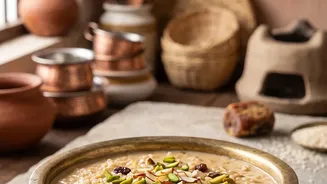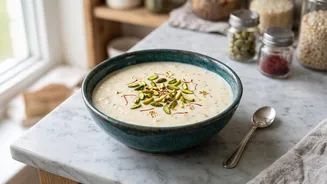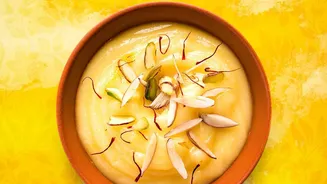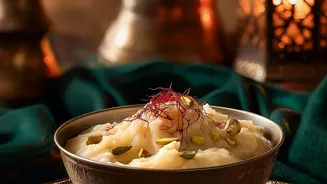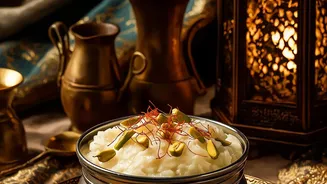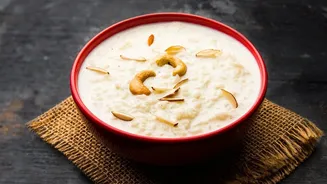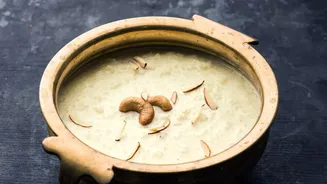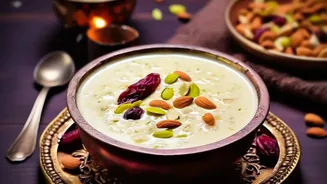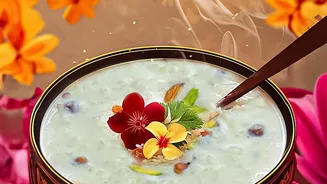





Embrace the luxurious creaminess of Sitaphal Phirni, a classic Indian dessert that blends the subtle sweetness of custard apple with a rich, velvety rice pudding. A true celebration of texture and flavour, this dish is pure comfort in a bowl.
What Makes Phirni So Special?
Phirni is
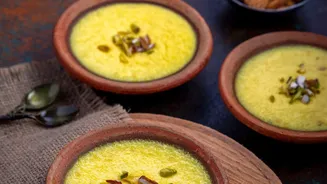
a beloved North Indian sweet pudding with roots that many trace back to Mughal or even Persian cuisine. It stands apart from its more common cousin, kheer, due to one fundamental difference: the texture of the rice. While kheer is typically made with whole grains of rice, phirni achieves its signature dense and smooth consistency by using rice that has been ground into a coarse paste. This simple change transforms the dessert from a rice-forward pudding into a sumptuously creamy base, perfect for carrying delicate flavours. Traditionally made with aromatic basmati rice, full-fat milk, and sugar, it is slow-cooked until thickened. The dish is often served chilled in small earthen bowls called 'shikoras', which absorb excess moisture and impart a subtle, earthy aroma.
The Star of the Show: Sitaphal
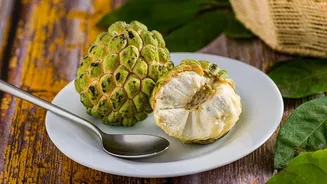
Sitaphal, or custard apple, is the seasonal hero that elevates this phirni into something truly exceptional. With its soft, creamy, and intensely sweet pulp, this fruit is a dessert in itself. When added to the phirni base, its unique flavour infuses the entire dish. The most time-consuming part of using sitaphal is separating the sweet flesh from its numerous black seeds. An effective method is to scoop the pulp into a bowl and gently press it with a potato masher or push it through a strainer, which helps separate the flesh from the seeds without crushing them. Another popular hack involves using a food chopper: pulse the pulp for just a second or two at a time to loosen it from the seeds, then pick them out. This ensures you get a smooth pulp ready for your dessert.
Your Step-by-Step Guide to Creaminess
Making perfect Sitaphal Phirni is a process of patience that rewards you with incredible flavour. Here’s a guide to creating it at home. Ingredients: 1/4 cup basmati rice, soaked for 30 minutes 4 cups full-fat milk 1/2 cup sugar, or to taste 1 cup fresh sitaphal (custard apple) pulp 1/2 teaspoon cardamom powder A pinch of saffron (optional) * Sliced pistachios and almonds for garnish Instructions: 1. First, prepare the rice. Drain the soaked basmati rice and grind it into a coarse, grainy paste, adding a little milk or water if needed to help it blend. Set this aside. 2. In a heavy-bottomed pan, bring the milk to a boil over medium heat. Once boiling, reduce the heat to low and slowly add the ground rice paste, stirring continuously to prevent any lumps from forming. 3. Simmer the mixture on low heat for 15-20 minutes, stirring frequently. The key is to cook it slowly until the rice is cooked through and the milk has thickened to a creamy consistency. 4. Add the sugar, cardamom powder, and saffron (if using), and continue to cook for another 5 minutes until the sugar dissolves completely. 5. Turn off the heat and let the phirni cool down slightly. It is important not to add the fruit pulp when the mixture is piping hot. Once it's warm, gently fold in the sitaphal pulp. 6. Pour the phirni into serving bowls. Traditionally, small clay bowls (matkas or shikoras) are used. 7. Let it cool to room temperature, then cover and chill in the refrigerator for at least 3-4 hours, or until fully set. The phirni will continue to thicken as it cools. 8. Before serving, garnish generously with sliced pistachios and almonds.
Tips for the Perfect Phirni
While the process is straightforward, a few expert tips can ensure your Sitaphal Phirni is flawless every time. First, always use full_fat milk; its richness is essential for achieving that decadent, creamy texture. Second, the consistency of your ground rice matters. Aim for a texture like fine semolina (rava), not a completely fine powder, as this contributes to the final mouthfeel. Continuous stirring, especially after adding the rice paste, is non_negotiable. This prevents the rice from sticking to the bottom of the pan and forming lumps. Finally, patience during the chilling process is key. Phirni is a dessert that tastes best when served thoroughly chilled, as this allows the flavours to meld and the texture to set perfectly.