



The 'Second Brain' in Your Gut
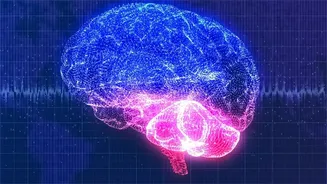
Have you ever had a “gut feeling” or felt “butterflies in your stomach”? These common phrases point to a real biological phenomenon: the gut-brain axis. This is a complex, two-way communication system that links the emotional and cognitive centres of
your brain with your gastrointestinal tract. Your gut is lined with more than 100 million nerve cells, an entire network often called the “second brain” or enteric nervous system. This system communicates with the brain in your head through nerves, primarily the vagus nerve, as well as through hormones and immune signals. This means what happens in your gut doesn’t just stay in your gut—it can directly influence your mood, stress levels, and even cognitive functions.
Your Gut's Trillion-Strong Army
At the heart of a healthy gut-brain axis is the gut microbiome—the trillions of bacteria, fungi, and other microbes living in your digestive tract. A diverse and balanced microbiome is crucial for good health. These tiny organisms do more than just help with digestion; they produce essential chemicals, including neurotransmitters. In fact, a huge proportion of your body's serotonin, often called the “feel-good” chemical that regulates mood, is produced in the gut, not the brain. When the balance of good and bad bacteria is disrupted, it can impact this production and send stress signals to the brain, potentially affecting your mental well-being.
Fueling the Good Guys: Fermentable Fiber
To keep your good gut bacteria happy and thriving, you need to feed them the right food. This is where fermentable fiber comes in. These types of fiber, also known as prebiotics, are not digested by your body but serve as a primary food source for your gut microbes. As the bacteria ferment this fiber, they produce beneficial compounds like short-chain fatty acids (SCFAs), which help nourish the gut lining, reduce inflammation, and support brain health. A diet rich in varied fiber sources ensures a more diverse and resilient microbiome.
Indian Foods Rich in Fermentable Fiber
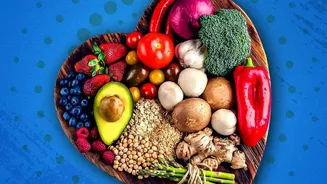
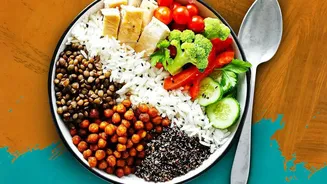
The good news is that a traditional Indian diet is naturally rich in fermentable fibers. To support your gut health, focus on incorporating a variety of these foods. Pulses and legumes like chana (chickpeas), rajma (kidney beans), and various dals (moong, masoor, toor) are excellent sources. Whole grains such as bajra, jowar, ragi, and whole wheat atta also provide essential fiber. Don't forget your vegetables; onions, garlic, bhindi (okra), spinach, and gourds like lauki are packed with the prebiotics your gut loves. Even common fruits like bananas and apples contribute to your daily fiber intake.
Boosting Your Ranks with Probiotics
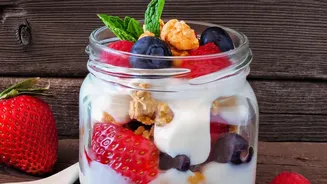
While prebiotics feed the good bacteria you already have, probiotics are live beneficial bacteria that you can introduce directly into your system. Eating probiotic-rich foods helps to replenish and diversify your gut microbiome, which can be particularly useful after a course of antibiotics or a period of stress. Research suggests that consuming probiotics may help improve mood, cognitive function, and reduce anxiety by positively influencing the gut-brain axis.
Your Guide to Probiotic Indian Foods
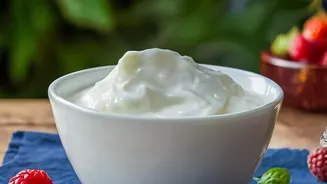
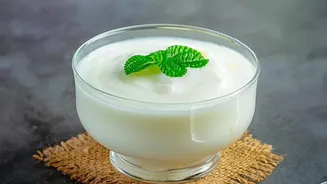
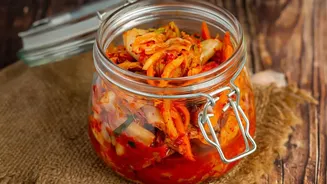
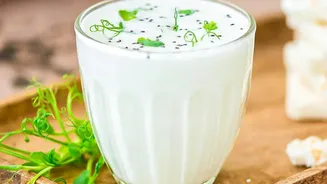
India’s culinary heritage is full of naturally fermented, probiotic-rich foods. The most common and accessible is homemade Dahi (curd), a powerhouse of live cultures. Chaas (buttermilk) is another excellent, cooling probiotic drink. South Indian staples like Idli and Dosa get their fluffy texture from a fermented batter of rice and lentils, making them a great source of gut-friendly bacteria. Other traditional preparations include Kanji, a North Indian fermented drink made from black carrots, and even homemade pickles (achar) that are fermented naturally without vinegar. Including these foods regularly is a delicious way to support your microbial allies.