



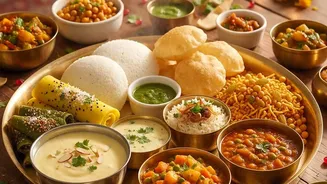
The Philosophy: Why These Ingredients?
The diet followed during Navratri is traditionally a 'sattvic' one. In Ayurveda, foods are classified into three categories: sattvic (pure, calming), rajasic (stimulating), and tamasic (dulling). During a period of spiritual focus like Navratri, the goal
is to consume sattvic foods that keep the body light and the mind clear. This is why common ingredients like onion and garlic, which are considered rajasic and tamasic, are avoided as they are believed to cause distractions and mental agitation. The fast also coincides with a seasonal change, and this specific diet is thought to aid digestion and boost immunity.
Alternative Flours and Grains
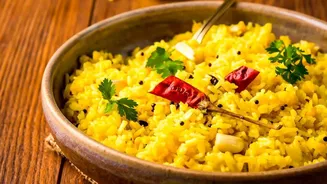
Regular grains like wheat and rice are typically avoided during the fast. Instead, a variety of gluten-free pseudo-grains and flours are used, which are nutrient-dense and provide sustained energy. Key among them are Kuttu ka atta (buckwheat flour), Singhare ka atta (water chestnut flour), and Rajgira ka atta (amaranth flour). Another popular choice is Samak ke chawal (barnyard millet), which is used as a substitute for rice in dishes like khichdi and pulao. These flours are versatile and used to make everything from puris and rotis to cheelas and pakoras.
The Essential Salt: Sendha Namak
One of the most crucial rules of Navratri fasting is the switch from regular table salt to Sendha Namak, or rock salt. Regular salt is avoided because it is processed and contains chemical additives, which is considered impure for fasting. Sendha Namak, mined from natural salt deposits, is pure, unprocessed, and rich in trace minerals like potassium and magnesium. It is believed to be cooling for the body, easier to digest, and helps in maintaining the body's electrolyte balance, which is important during a fast.
Permitted Vegetables and Fruits
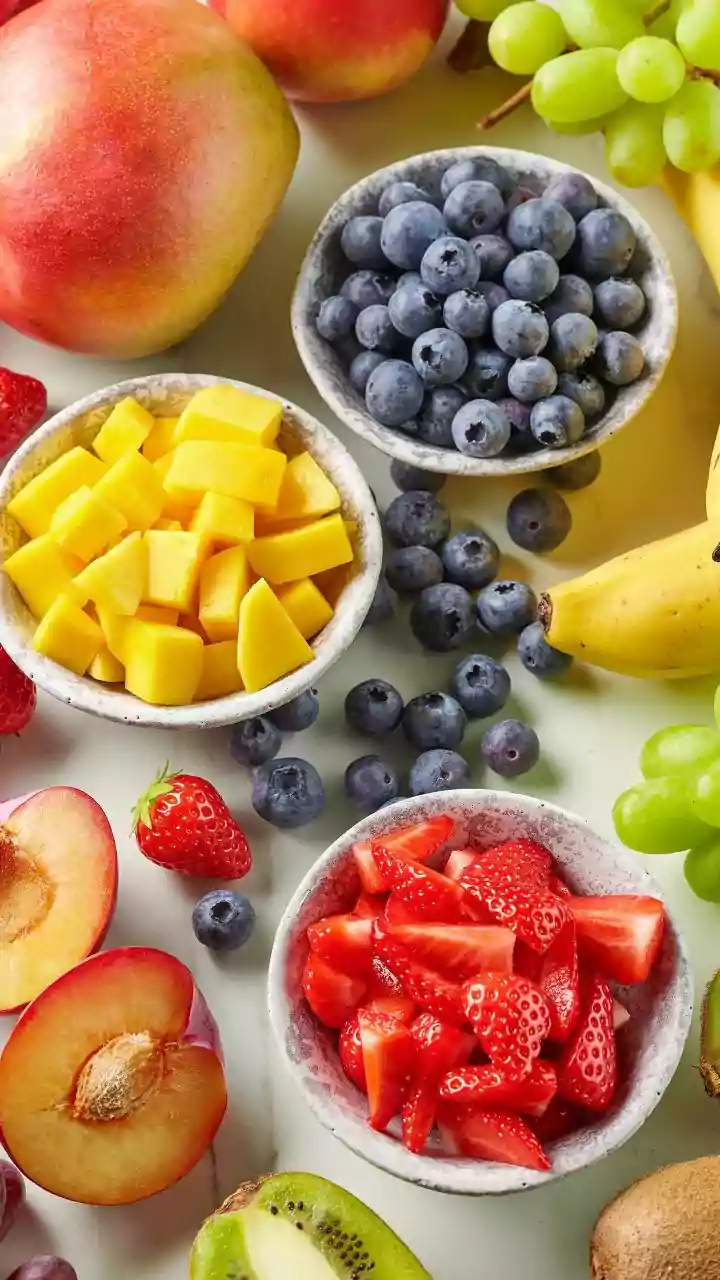
The list of vegetables is selective. Root vegetables like potatoes, sweet potatoes (shakarkandi), arbi (colocasia), and yam (suran) are staples. Other permitted vegetables include pumpkin (kaddu), bottle gourd (lauki), and cucumber. All fruits are generally allowed and are a major source of energy and hydration. Fruits and nuts like almonds, walnuts, and makhana (fox nuts) are consumed as snacks to keep energy levels stable throughout the day.
Dairy, Spices, and Sweeteners
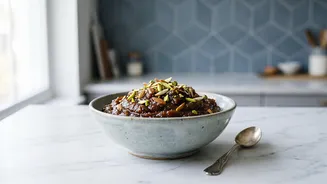
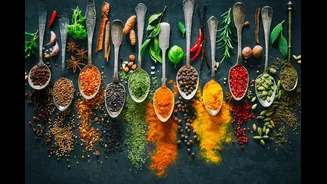
Dairy products like milk, yogurt (curd), paneer, and ghee are central to the fasting diet, providing essential fats and proteins. When it comes to flavour, the spice palette is mild. Cumin, black pepper, green chillies, and cloves are commonly used. Spices that are considered 'heating', such as turmeric, mustard seeds, and garam masala, are generally avoided. For sweeteners, sugar is permissible, but many people prefer natural alternatives like jaggery or honey to complement the sattvic nature of the diet.
The Star Ingredient: Sabudana
Sabudana, or tapioca pearls, is a fasting favourite across India. It is a pure starch and provides a quick source of energy, making it ideal for a restricted diet. Though not exceptionally high in nutrients, it is light on the stomach and gluten-free. It's used to prepare a wide range of popular dishes, from the savoury Sabudana Khichdi, often made with peanuts and potatoes, to the sweet and creamy Sabudana Kheer.