

Beyond the Old Fusion Cliché
For years, 'Indian fusion' often meant disjointed combinations, like butter chicken pizza or masala burgers. While playful, these dishes sometimes missed the mark on nuance. Today's movement is different. It’s a deeper, more thoughtful integration where
the goal isn’t to create a novelty, but to enhance and elevate. Chefs are now respecting the roots of a dish, preserving its soul while introducing a new element that makes you taste it in a fresh way. This new wave is less about mashups and more about masterful matchmaking, creating dishes that feel both surprising and perfectly natural.
The Global Pantry Meets the Masala Dabba
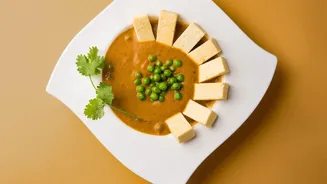
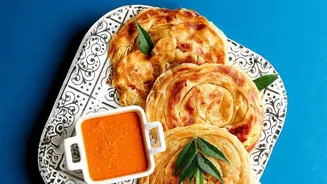
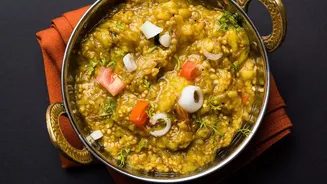
The modern Indian kitchen is a playground of flavours. Imagine a classic dal tempered not just with ghee and cumin, but with a spoonful of savoury Japanese miso. Or picture tacos made not with corn tortillas, but with flaky Indian parathas, filled with spiced paneer or lamb. This trend sees chefs incorporating international staples in ways that complement Indian profiles. Ingredients like avocado, quinoa, and feta are finding their way into dosas and salads. Tandoori chicken might be paired with a habanero-infused sauce, or delicate dumplings could be filled with vindaloo-spiced pork. This approach highlights the adaptability of Indian cuisine, showing how seamlessly it can absorb and reinterpret global influences.
A Celebration of Regional Identity
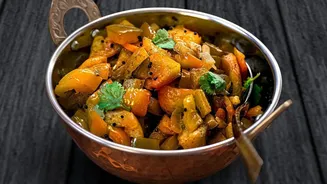
This culinary evolution isn't just happening in one place; it's a nationwide phenomenon that celebrates India's vast regional diversity. In the North-East, a once-overlooked tuber from Meghalaya called sohphlang is now appearing in fine dining dishes, its earthy taste offering a new canvas for chefs. The fragrant gondhoraj lime from Bengal is moving beyond traditional kitchens to add its sharp, aromatic punch to contemporary creations. In the south, you might find a classic curry updated with lighter coconut or almond milk, or a traditional shorba (soup) elevated with a hint of blue cheese. This focus on regional specificity, from Coorg pepper to Kashmiri chilli, adds a layer of authenticity and storytelling to every dish.
The Chefs Leading the Charge
Behind this movement are visionary chefs who are rewriting the rules. Innovators like Manish Mehrotra of Indian Accent have long been celebrated for combining nostalgic Indian dishes with global ingredients, such as serving classic kolchas (stuffed breads) with fillings like pastrami or hoisin duck. Others are diving deep into India's indigenous pantry, using foraged ingredients and ancient grains in thoroughly modern preparations. These culinary leaders are not just creating new dishes; they are broadening the definition of what Indian food can be, proving that tradition and innovation can coexist beautifully on the same plate.
From Fine Dining to Your Home
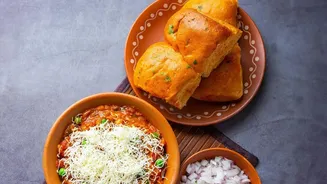
This trend isn't confined to expensive restaurants. The accessibility of global ingredients and the influence of social media mean that home cooks are also getting experimental. People are trying their hand at masala pasta, chaat nachos, and tandoori-spiced quesadillas. The rise of the 'quiet luxury' food trend encourages small, high-quality upgrades to everyday meals, such as using artisanal vinegar or a premium, locally-sourced spice blend. This shift shows a growing confidence in the kitchen, where familiar comforts are given a personal, modern twist, proving that the future of Indian food is being shaped not just by chefs, but by curious cooks everywhere.